Single-Origin vs. Blended Matcha: Which Is Right for Your Business?

Short answer: Single-origin matcha comes from one defined region, and sometimes one farm or cultivar. Blended matcha combines tencha from different fields, regions, cultivars, or harvests to achieve a target flavor or price. Single origin offers transparency, traceability, and a distinct story; blending offers flexibility and a house style. Neither is automatically better, but buyers should know which they are getting.
Key takeaways
- Blending is a respected tradition in Japanese tea, used to create consistent house styles.
- Single-origin matcha offers clearer traceability and origin storytelling.
- In tight markets, blends may include later harvests or multiple origins to manage cost.
- Ask for the origin, cultivar, and harvest composition of any matcha you buy.
What does "single origin" mean for matcha?
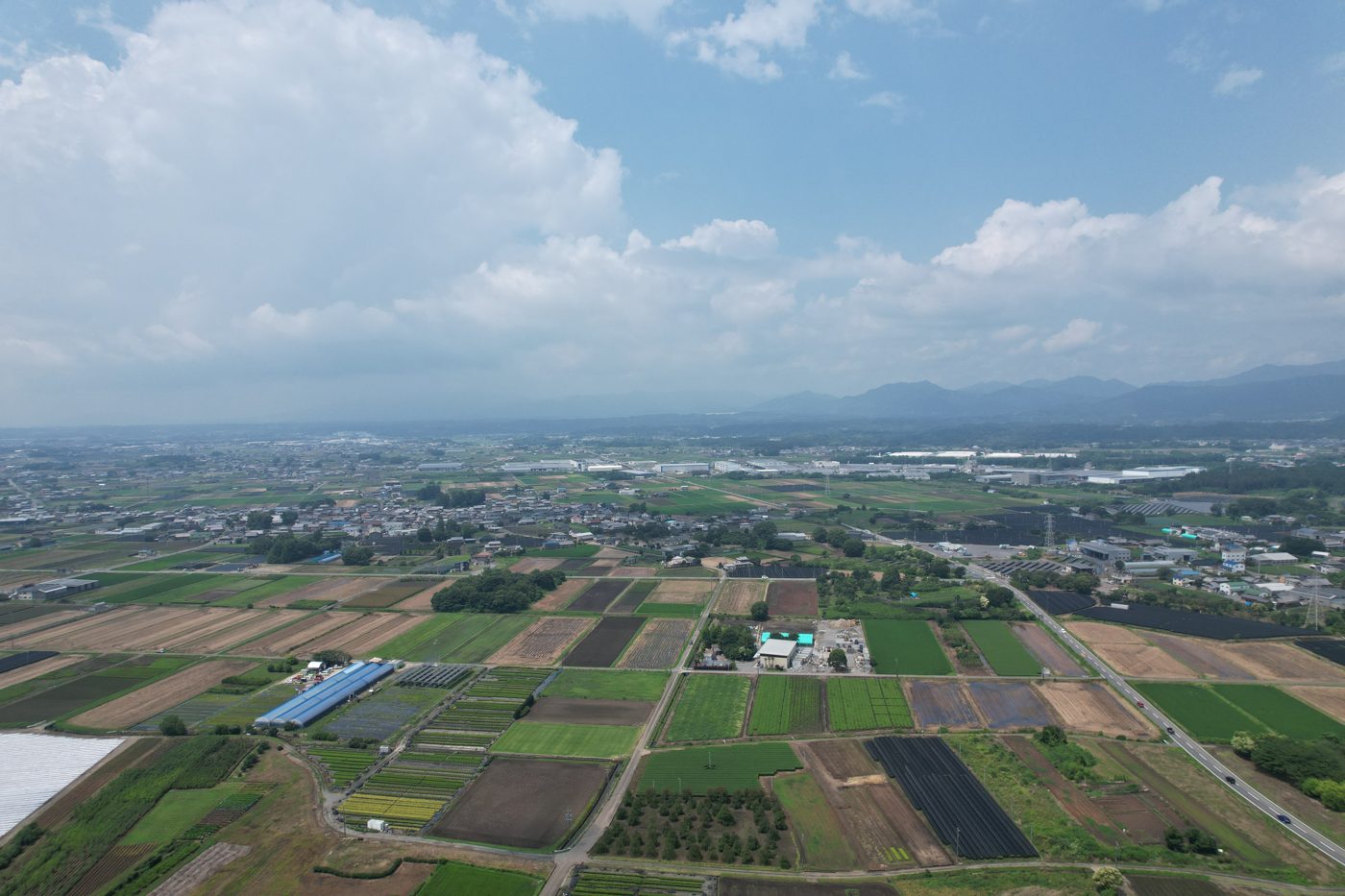
There is no regulated definition, so the term can mean a single country, prefecture, town, or farm. The most useful definition for buyers is specific: a named region, a known grower, and ideally named cultivars. The narrower the origin, the easier it is to trace and the more distinctive the flavor.
Why are many matcha products blended?
Traditional tea merchants blend to achieve a recognizable house flavor and to smooth out year-to-year variation. A skilled blend can be excellent. Blending also lets producers manage cost and volume by combining origins, cultivars, or harvests. In the 2025 and 2026 supply crunch, blending has become one of the ways the market stretches limited first-flush tencha.
Advantages of single-origin matcha
- Traceability: Clear links to a farm, processing facility, and harvest.
- Food-safety assurance: Fewer suppliers in the chain makes verification simpler, which matters for programs such as the US FSVP.
- Distinct character: Terroir and cultivar come through clearly.
- Storytelling: A specific origin is compelling on menus and packaging.
Advantages of blended matcha
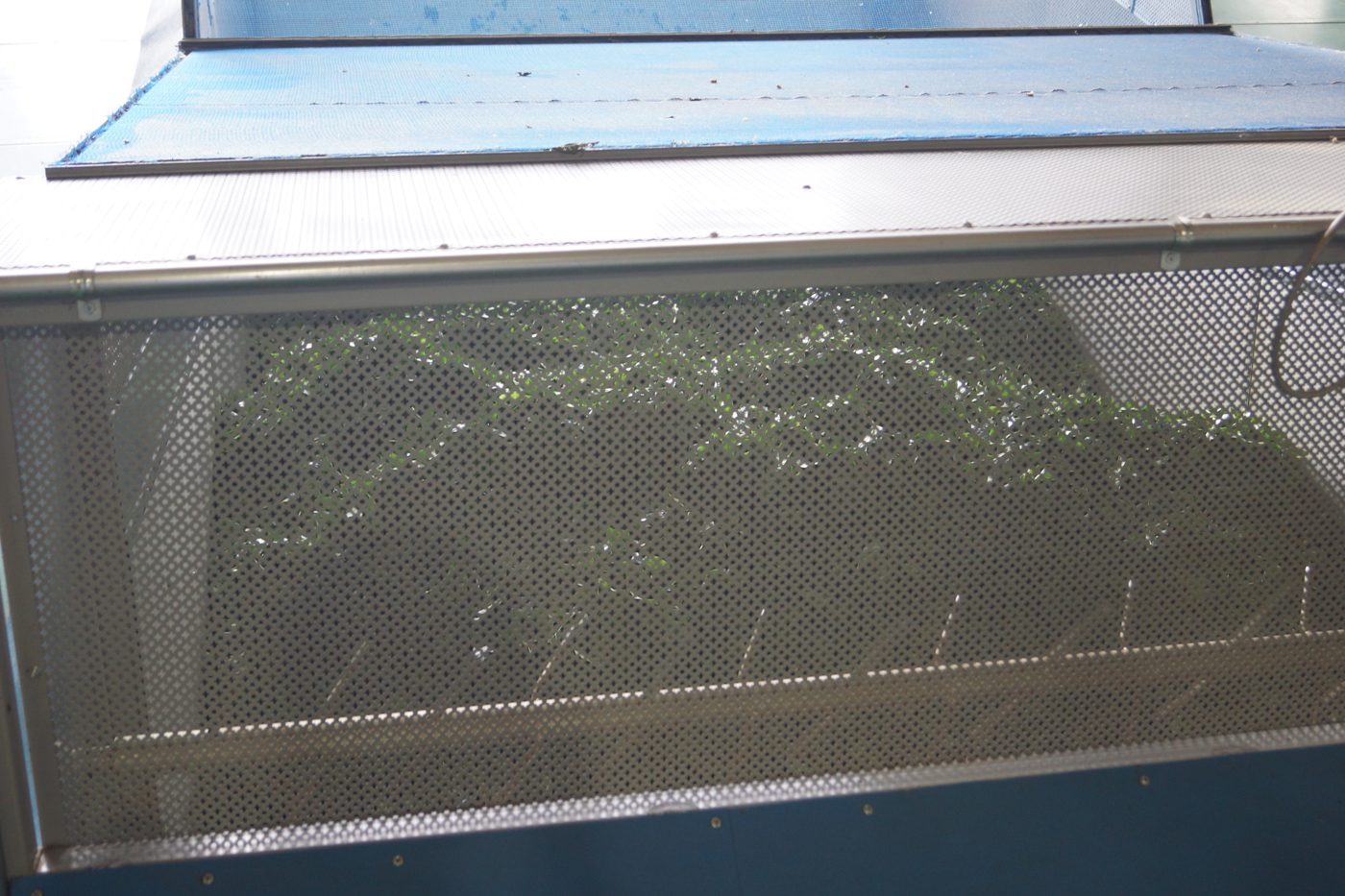
- House style: A consistent signature taste over many years.
- Supply flexibility: Easier to maintain volume when one origin has a poor harvest.
- Cost management: Can hit a target price point.
Which should your business choose?
- Specialty cafés and premium brands often prefer single origin for transparency and story.
- Large chains and manufacturers may value blends for volume flexibility, provided specifications are tightly controlled.
- Any buyer should request the composition: origin, cultivar, harvest, and whether that composition will stay the same across deliveries.
Questions to ask your supplier
- Is this single origin? Which region and grower?
- Is it a single cultivar or a cultivar blend?
- Is it 100% first flush?
- Will the composition change between lots or seasons?
- Can you provide traceability documentation for each lot?
Origin Leaf Japan supplies single-origin, first-flush matcha from Suzuka, Mie, in two single-cultivar options.
Frequently asked questions
Q: Is single-origin matcha more consistent?
A: It can be more consistent in character because inputs are controlled, but weather still causes year-to-year variation. Good suppliers manage this through cultivation and milling control.
Q: Is blended matcha lower quality?
A: Not necessarily. Many outstanding traditional matcha products are blends. The key is transparency about what is in the blend.
Q: Does single origin matter for import compliance?
A: It can simplify it. Fewer suppliers mean fewer parties to verify under food-safety programs.
Sources and further reading: US FDA, Foreign Supplier Verification Programs; industry reporting on 2026 matcha supply.
Serving matcha in your café or building a matcha brand? Origin Leaf Japan supplies first-flush, single-origin matcha from Suzuka, Mie, to cafés, retailers, distributors and food manufacturers, milled to order with a 5 kg minimum, 1 kg packs, and delivery in as little as 10 days. Request a quote or samples →
MORE IN G
For Cafés and Food Businesses
- 39 Launching a Private-Label Matcha Brand: Sourcing, Packaging and MOQ
- 38 Matcha in Food Manufacturing: Heat Stability, Color Retention and Formulation Tips
- 36 The Café Matcha Latte Playbook: Dosing, Milk Pairing and Cost per Cup
- 35 How to Choose the Right Matcha for Your Café: Ceremonial vs. Culinary