How to Source Wholesale Matcha from Japan: A Buyer's Checklist

Short answer: To source wholesale matcha from Japan reliably, define your use and volume first, then evaluate suppliers on five areas: product specification (harvest, cultivar, origin, milling), food-safety compliance for your market, sample quality, commercial terms (MOQ, pack size, price, lead time), and long-term supply capacity. In the current tight market, supply security and transparency matter as much as price.
Key takeaways
- Start with your application, annual volume, and target cost per serving.
- Require clear specifications rather than grade labels.
- Confirm compliance with your destination market before ordering, not after.
- Evaluate samples of the actual lot you will receive.
- Prioritize suppliers who can plan supply with you over the long term.
Step 1: Define what you need
- Application: straight matcha, lattes, retail tins, private label, food manufacturing, or distribution.
- Annual volume: for example under 25 kg, 25 to 100 kg, 100 to 500 kg, or more.
- Target cost per serving or per finished unit.
- Start date: immediately, or for a future launch.
These answers determine which grade, cultivar, and pack format fit, and how a supplier can plan for you.
Step 2: Ask for specifications
- Harvest (first flush only or blended)
- Cultivar(s)
- Origin (region and grower)
- Processing and milling method, and when milling occurs relative to shipment
- Packaging format and size (for example 1 kg bags)
- Best-before period and recommended storage
Step 3: Verify compliance for your market
- United States: Is the manufacturing facility registered with the FDA? Can the supplier support your Foreign Supplier Verification Program (FSVP) with hazard analysis and documentation? Who will file prior notice?
- EU and UK: Can the supplier provide pesticide residue analysis against EU or GB maximum residue levels?
- Certifications: Which farm or factory certifications apply, and are they current?
- Labeling: If you will sell retail packs, who is responsible for compliant labeling?
Step 4: Evaluate samples properly
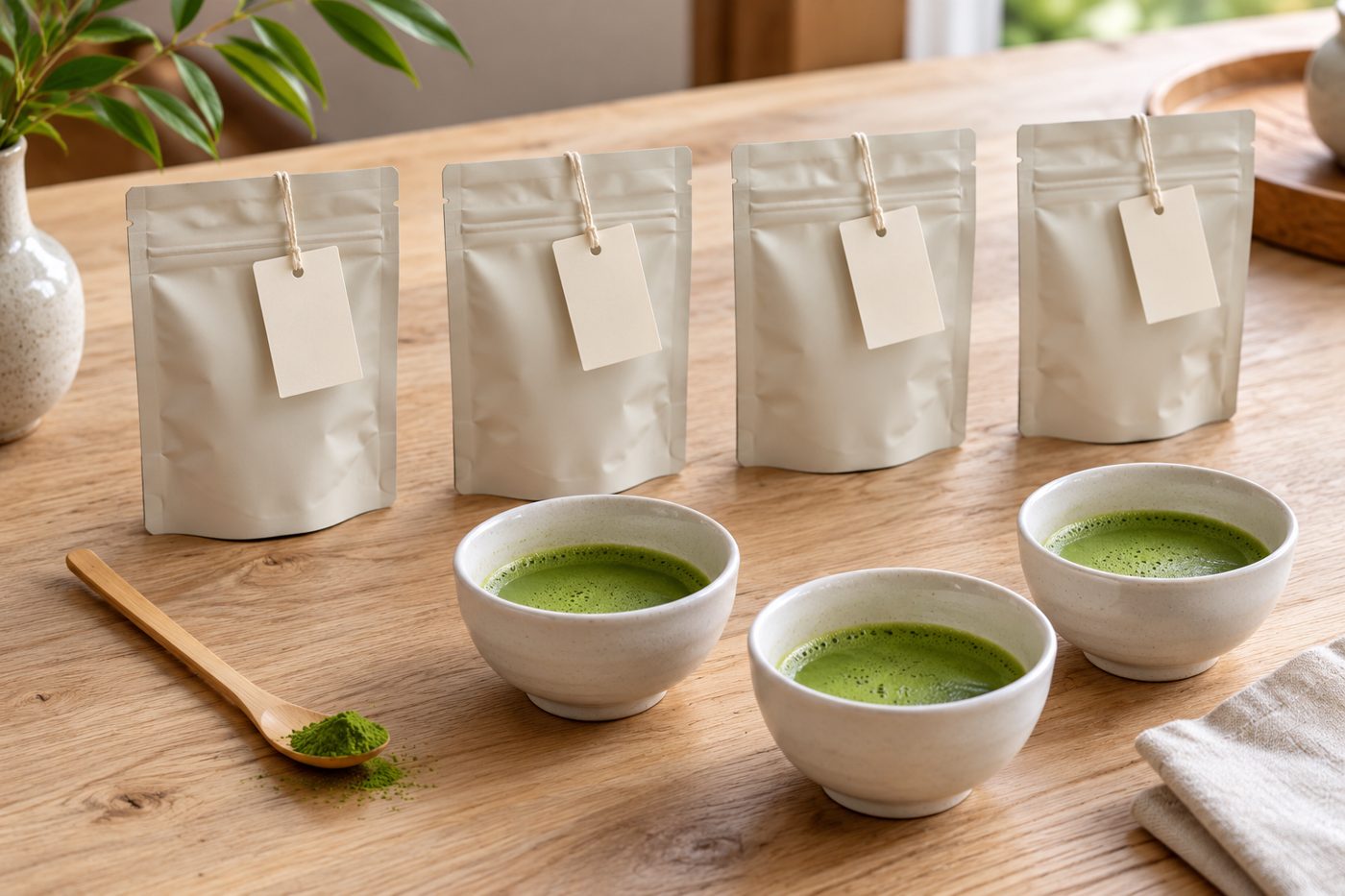
Request samples from the lot you will buy. Taste with water and in your own recipe, compare against your current product, and check color stability. Keep a retained sample to compare future deliveries.
Step 5: Understand commercial terms
- Minimum order quantity (MOQ) and standard pack size
- Price per kilogram and volume tiers
- Incoterms (who pays shipping, duties, and insurance)
- Lead time from order to delivery
- Payment terms
- How price changes between harvest years are handled
Step 6: Assess supply security
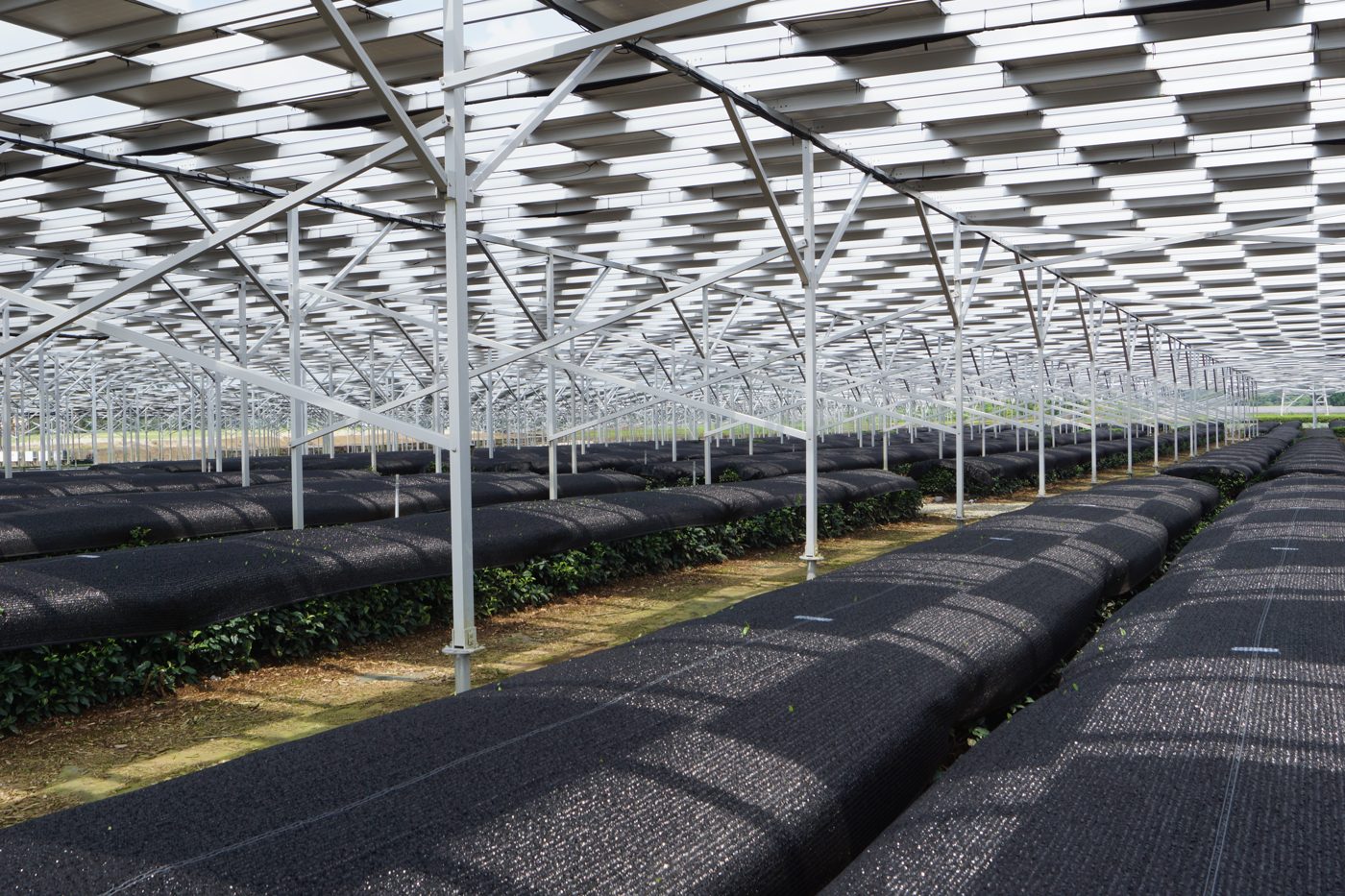
Matcha prices and availability have been volatile since 2025. Ask:
- Can the supplier reserve volume for you for the harvest year?
- How is the product allocated if demand exceeds supply?
- How quickly can they restock?
Step 7: Start small and scale
Begin with a practical trial order, confirm quality and logistics, then move to recurring orders with forecasted volumes.
How Origin Leaf Japan works with buyers
Our minimum order is 5 kg, packed in 1 kg bags, with volume pricing available for orders of 100 kg and above. We review each inquiry for use, volume, and timing, recommend a cultivar, discuss terms, and arrange samples for qualified buyers before the first order. Our facility is FDA-registered, our exports are FSVP-ready, and our matcha is milled to order and delivered in as little as 10 days.
Frequently asked questions
Q: What is a typical MOQ for wholesale matcha?
A: It varies widely by supplier, from a few kilograms to hundreds. Small MOQs help cafés trial a product before committing.
Q: Should I buy from a Japanese exporter or a domestic distributor?
A: Direct sourcing can offer fresher product and better traceability; domestic distributors can offer convenience and local stock. Many businesses compare both.
Q: How far ahead should I plan?
A: For recurring supply, share annual forecasts with your supplier, ideally before the spring harvest, so they can plan allocation.
Sources and further reading: US FDA (food facility registration, FSVP, prior notice); European Commission EU Pesticides Database; UK GB MRL Register.
Serving matcha in your café or building a matcha brand? Origin Leaf Japan supplies first-flush, single-origin matcha from Suzuka, Mie, to cafés, retailers, distributors and food manufacturers, milled to order with a 5 kg minimum, 1 kg packs, and delivery in as little as 10 days. Request a quote or samples →
MORE IN H
Wholesale Sourcing and Compliance
- 45 What Is ASIAGAP, and Why Should Matcha Buyers Care?
- 44 Importing Matcha into the UK and EU: Pesticide Limits and Documentation
- 43 Importing Matcha into the US: FDA Registration, FSVP and Prior Notice Explained
- 42 What Drives Wholesale Matcha Prices and Supply