What Drives Wholesale Matcha Prices and Supply

Short answer: Wholesale matcha prices are driven mainly by the cost of tencha, the shaded leaf that matcha is milled from. Since 2024, fast-growing global demand has outpaced the supply of first-flush tencha, and trade reports citing Kyoto market data show first-flush tencha prices roughly tripling between 2024 and 2026. Because new tea fields take years to mature and milling capacity is limited, prices are expected to stay elevated rather than return to pre-2025 levels.
Key takeaways
- Tencha cost, harvest grade, origin, and milling capacity are the main price drivers.
- 2026 brought a larger first harvest in some areas, yet first-flush tencha prices stayed high.
- Growers are converting sencha fields to tencha, which tightens supply of other green teas too.
- Cost per serving rises less than cost per kilogram suggests; plan pricing by cup.
- Long-term supply agreements and forecast sharing are the best protection.
The main cost drivers
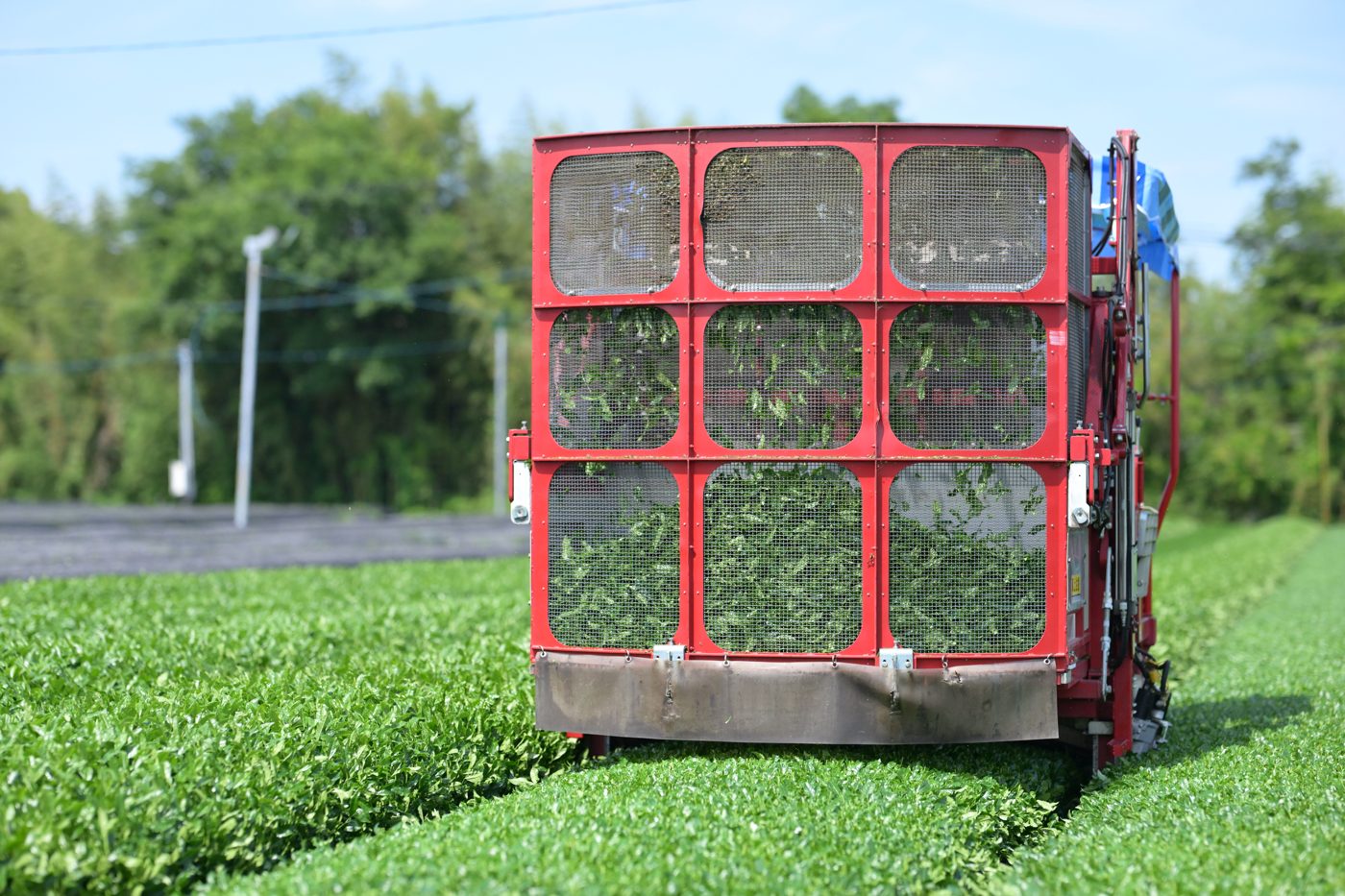
- Raw material (tencha): The biggest single factor. First-flush tencha is the most expensive, and its price is set largely at spring tea markets and auctions.
- Harvest and grade: First flush costs significantly more than later harvests.
- Origin: Famous origins such as Uji command premiums.
- Labor and shading: Shading structures and careful harvesting add cost, and Japan's tea farming workforce is aging.
- Milling: Fine milling is slow, and capacity has become a bottleneck.
- Packaging, logistics, duties, and currency: The yen exchange rate, freight, and destination tariffs all affect landed cost.
What happened in 2025 and 2026?
Global demand for matcha, led by cafés and ready-to-drink products in North America, Europe, and Asia, grew rapidly. In 2025, heat and weather affected yields while demand surged, and Japanese exporters reported being unable to fill orders. Kyoto first-flush tencha prices rose steeply, and auction prices in several regions reached records.
In 2026, harvest volumes recovered in some regions, but prices did not fall back. Trade reports put the average first-flush tencha price at the Kyoto market at around ¥17,800 per kilogram in 2026, compared with about ¥5,400 in 2024. Tea merchants have also reported that raw material for sencha and gyokuro is being diverted to matcha, tightening the wider green tea market. JETRO reported in 2026 that tencha supply had not kept up with demand.
Will prices come down?
Expanding supply takes time. Converting fields to shaded tencha production requires investment in shading and processing, and newly planted tea bushes take several years to reach full harvest. Most industry commentary expects prices to stabilize at higher levels rather than return to pre-2025 levels in the near term. Buyers should plan on this basis and watch each spring's first-flush markets, which set the tone for the year.
What this means per cup
A latte typically uses around 2 g of matcha. If your matcha cost rises from $150 to $250 per kilogram, the matcha cost per latte rises from $0.30 to $0.50. That is significant at scale, but manageable with menu pricing, and far smaller than switching to a lower grade that customers notice.
How buyers can protect supply and margins
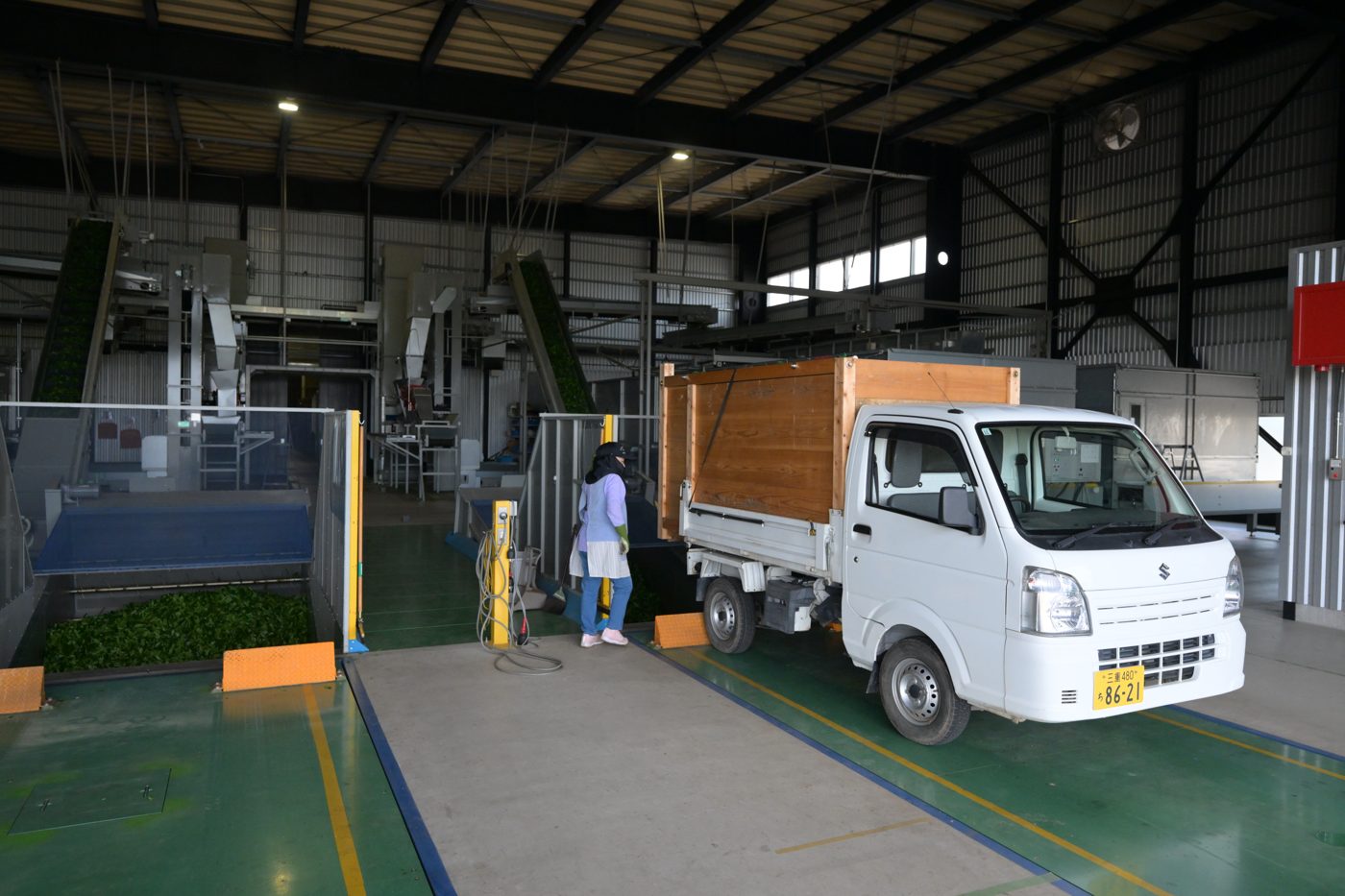
- Share annual forecasts with your supplier before the spring harvest.
- Agree pricing for the harvest year where possible.
- Diversify origins beyond the most famous regions.
- Use the right grade for each application, keeping drinking grade for drinks and culinary grade for baking.
- Avoid suspiciously cheap offers, which may involve blending or mislabeling.
- Build relationships with suppliers who can allocate volume to you.
Frequently asked questions
Q: Is there still a matcha shortage?
A: Volume has partly recovered, but first-flush tencha remains tight and prices remain high. The shortage is most acute for first-harvest, drinking-quality matcha.
Q: Why are other Japanese green teas getting more expensive too?
A: Some growers are converting fields and raw material to tencha, which reduces supply of sencha and gyokuro.
Q: How often do matcha prices change?
A: The main reset happens after the spring harvest each year, though currency movements and tariffs can change landed costs at any time.
Sources and further reading: JETRO market report on matcha (May 2026); Kyoto tea market data as reported by industry sources (2026); Japan Ministry of Agriculture, Forestry and Fisheries tea statistics; Global Japanese Tea Association.
Serving matcha in your café or building a matcha brand? Origin Leaf Japan supplies first-flush, single-origin matcha from Suzuka, Mie, to cafés, retailers, distributors and food manufacturers, milled to order with a 5 kg minimum, 1 kg packs, and delivery in as little as 10 days. Request a quote or samples →
MORE IN H
Wholesale Sourcing and Compliance
- 45 What Is ASIAGAP, and Why Should Matcha Buyers Care?
- 44 Importing Matcha into the UK and EU: Pesticide Limits and Documentation
- 43 Importing Matcha into the US: FDA Registration, FSVP and Prior Notice Explained
- 41 How to Evaluate Matcha Samples Before Your First Order