Who Will Grow Japan's Tea? The Succession Crisis on Japanese Tea Farms

Short answer: Japan is losing tea fields quickly because farmers are aging and many have no successor. National tea cultivation area fell to 33,400 hectares in 2025, down 1,700 hectares in a single year, and Shizuoka, Japan's traditional tea heartland, lost 1,200 hectares, or 9%, that year. In 2026 the national area fell again, to 31,900 hectares. Even as global demand for matcha booms, the base of farms and skilled growers that supply it is shrinking.
Key takeaways
- Japan's tea area fell from 42,400 ha in 2017 to 31,900 ha in 2026, about a quarter lost in nine years.
- Shizuoka lost 1,200 ha in 2025 alone, a 9% fall in one year.
- 63% of tea growers were aged 65 or over in 2025, up from 55% in 2010.
- About 40% of tea fields are on hilly terrain that is hard to mechanize, and about 40% of tea bushes are more than 30 years old.
- Matcha demand is drawing some growers into tencha, but it cannot by itself reverse the decline.
What the numbers show
According to Japan's Ministry of Agriculture, Forestry and Fisheries (MAFF):
- 2025: National tea area was 33,400 ha, down 1,700 ha (5%) year on year. Shizuoka fell to 11,600 ha, down 1,200 ha (9%).
- 2026: National tea area was 31,900 ha, down a further 1,500 ha (4%). Shizuoka stood at 11,100 ha, about 35% of the national total, and Kagoshima at 8,000 ha.
- Since 2017: The national area has fallen from 42,400 ha to 31,900 ha.
MAFF attributed Shizuoka's sharp 2025 decline to its many sloping fields, where mechanization is difficult and labor shortages could not be covered.
Why succession is so difficult
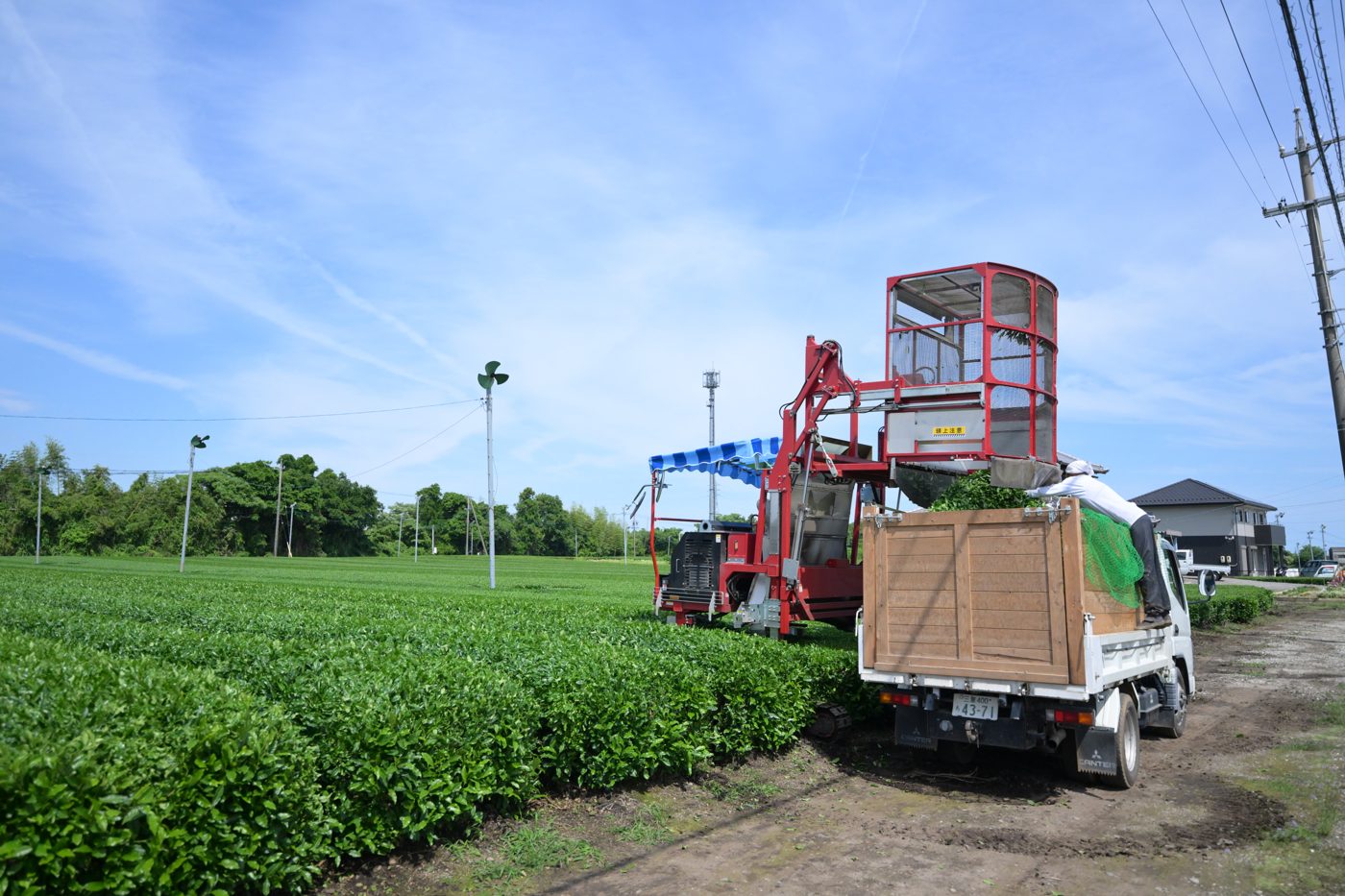
- Aging growers: Nearly two-thirds of tea growers are 65 or older.
- Hard terrain: Hillside fields require manual work and are costly to maintain.
- Aging bushes: Many fields were planted decades ago and need expensive replanting, which takes years before full yields return.
- Years of low prices: Before the matcha boom, falling demand for leaf tea in Japan made tea farming unattractive to the next generation.
- Capital needs: Tencha production requires shading structures and dedicated processing equipment.
What happens when a field is abandoned
An abandoned tea field quickly becomes overgrown, and bringing it back requires major work. The loss is not only land: decades of knowledge about a specific field, its soil and its cultivar disappear with the farmer.
Signs of change
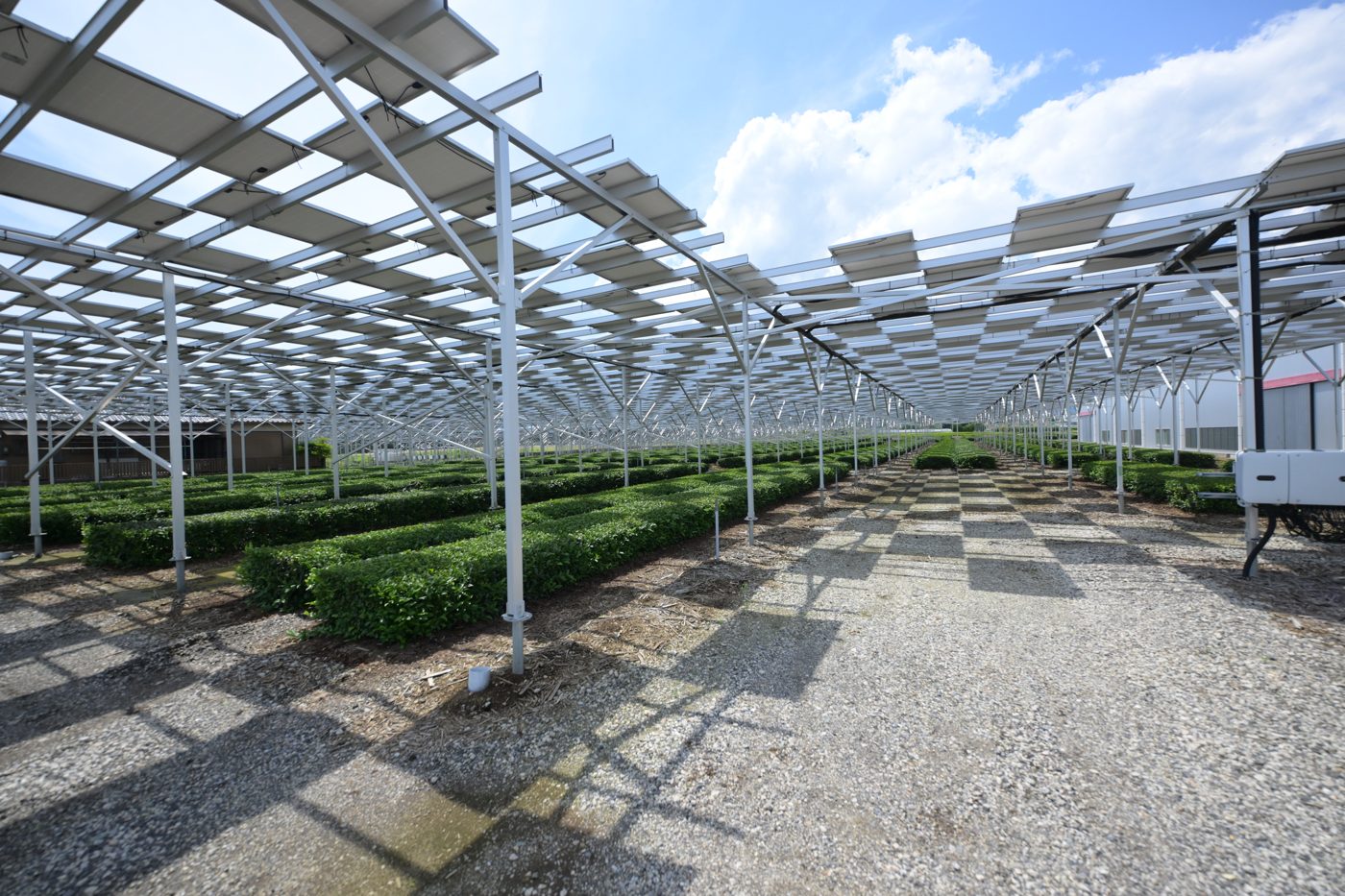
- Consolidation: Some farms are growing larger by taking over neighbors' fields, especially in Kagoshima, where flat land suits mechanization.
- Shift to tencha: Strong matcha demand has encouraged growers to convert fields to tencha.
- New entrants and partnerships: Companies and younger growers are entering tea with new business models, including direct export.
What it means for matcha buyers
Supply of high-quality first-flush tencha will remain constrained even as prices rise. Buyers who want stable supply should build long-term relationships with producers, share forecasts and value traceability. Sustainable demand that pays farmers fairly is one of the best incentives for the next generation to stay in tea.
Frequently asked questions
Q: Will Japan run out of matcha?
A: Not in the near term, but high-quality first-flush tencha is likely to stay scarce and expensive.
Q: Why not just plant more tea?
A: New fields take several years to reach full production, and suitable land and labor are limited.
Q: How does Origin Leaf Japan support growers?
A: We work directly with our grower in Suzuka, Mie, and build long-term export demand, which gives the farm a stable outlet for its first-flush tea.
Sources and further reading: Japan Ministry of Agriculture, Forestry and Fisheries, Crop Statistics Survey (tea cultivation area, 2025 and 2026) and "Situation Surrounding Tea" (October 2026); The Japan Agricultural News, reporting on the 2025 tea area decline.
Serving matcha in your café or building a matcha brand? Origin Leaf Japan supplies first-flush, single-origin matcha from Suzuka, Mie, to cafés, retailers, distributors and food manufacturers, milled to order with a 5 kg minimum, 1 kg packs, and delivery in as little as 10 days. Request a quote or samples →
MORE IN C
Origin, Farmers and the Tea Industry
- 21 How Japanese People See the Global Matcha Boom
- 20 From Japanese Tea Farm to Your Café: The Journey of a Matcha Order
- 18 The Hidden World of Japanese Tea Farmers: What Growers Rarely Talk About
- 17 Suzuka, Mie: The Origin Behind Our Matcha