A Short History of Tea Plant Breeding in Japan

Short answer: Japanese tea fields were once grown from seed, so every bush was genetically different. From the late 1800s, private breeders began selecting superior plants, and in the twentieth century Japan built a national breeding program and switched to propagating tea from cuttings. The most famous result is Yabukita, selected by the farmer-breeder Hikosaburo Sugiyama, registered in 1953, and still planted on about 62% of Japan's tea area. Today, breeders are developing cultivars with more amino acids, better disease resistance and staggered budding times, several of them suited to matcha.
Key takeaways
- Before cultivars, Japanese tea fields were seed-grown, which made quality and harvest timing uneven.
- Tea breeding in Japan began with private breeders in the late 1800s; systematic breeding followed in the early 1900s.
- Propagation by cuttings, introduced in 1935, allowed identical clones to be planted across whole fields.
- Yabukita covers about 62% of Japan's tea area, which limits genetic diversity.
- Breeding a new tea cultivar takes about 25 years from first cross to registration.
From seedling fields to clones
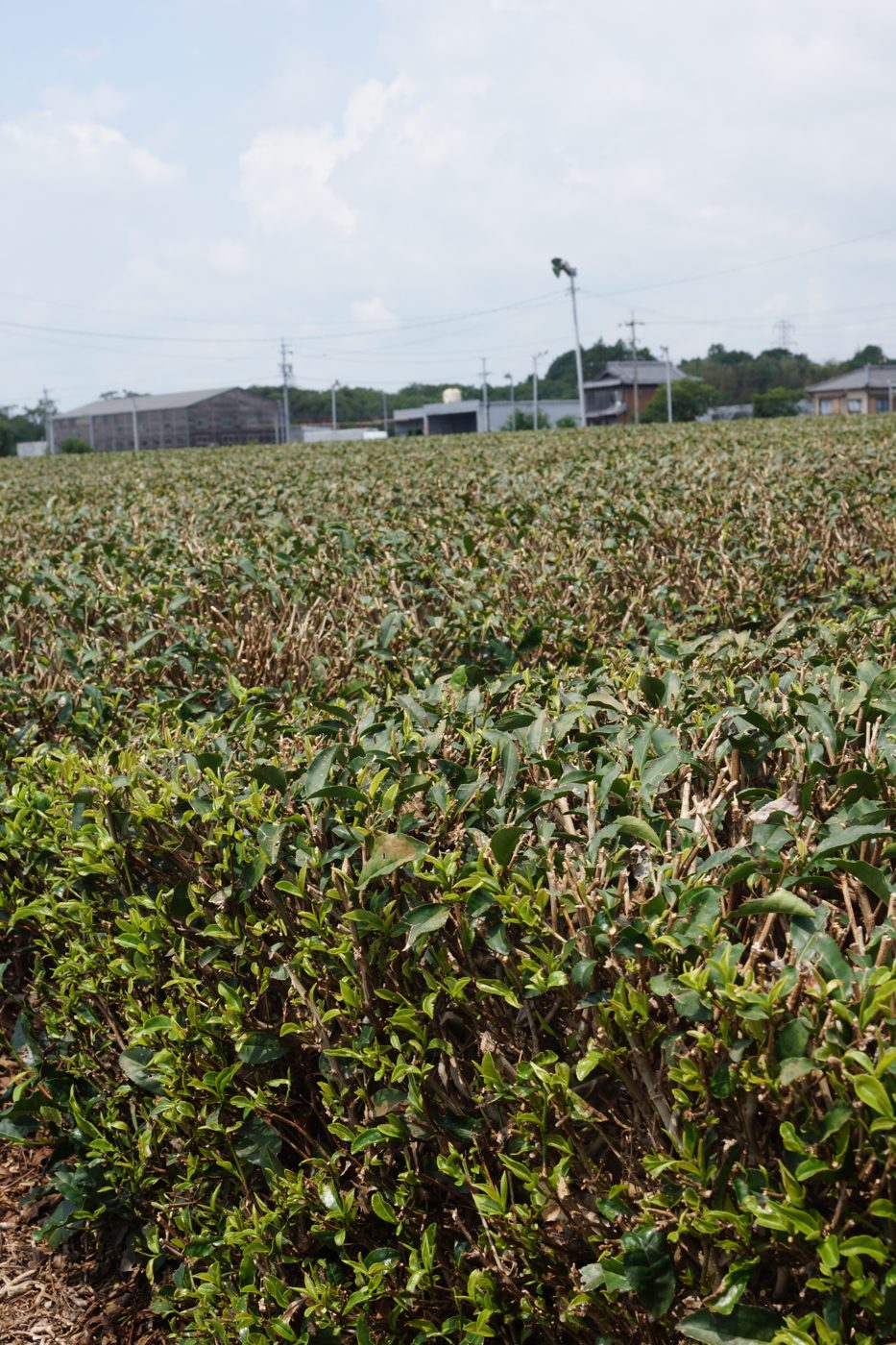
For centuries, tea in Japan was planted from seed. Because tea plants cross-pollinate, each seedling differed in vigor, leaf shape, budding date and flavor. A single field could contain bushes ready for harvest on different days, which made consistent quality difficult.
The solution was to select excellent individual plants and multiply them vegetatively. Once propagation by cuttings was introduced in 1935, a farmer could plant an entire field with genetically identical bushes that bud together, respond the same way to shading and taste the same from row to row.
Hikosaburo Sugiyama and Yabukita
Hikosaburo Sugiyama, a farmer-breeder in Shizuoka, spent decades selecting promising tea plants from seedlings. Among them was a plant growing near a bamboo grove (yabu) that he named Yabukita, "north of the bamboo grove." It combined good yield, hardiness and an excellent, balanced flavor. Yabukita was officially registered in 1953 and spread rapidly as cutting propagation and mechanization transformed tea farming after World War II.
According to a 2026 review in the journal Breeding Science, Yabukita still covers about 62% of Japan's tea cultivation area, far ahead of Yutakamidori (6.0%), Saemidori (4.4%) and Okumidori (3.4%).
The national breeding program
Systematic breeding began in the early 1900s, with selection from existing plants as the main method. Cross-breeding started in 1932, initially aimed at black tea. Today, much of Japan's tea breeding is led by public research institutions, notably the National Agriculture and Food Research Organization (NARO), which conserves around 7,800 tea accessions from 14 countries.
Because tea is a long-lived woody plant, breeding is slow. Under current guidelines, the cycle from first cross to registration takes about 25 years.
Cultivars that matter for matcha
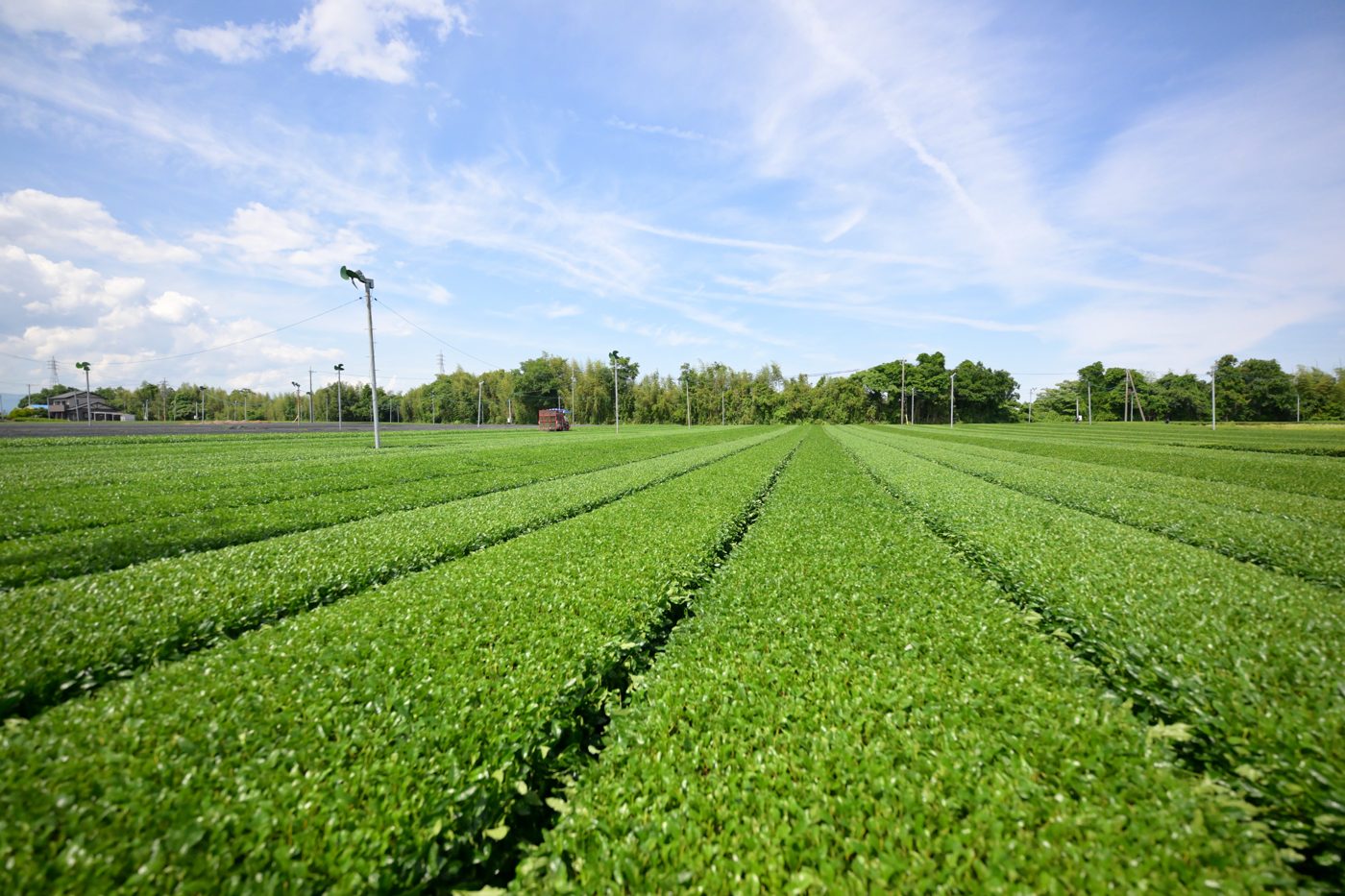
- Okumidori: A cross of Yabukita and a Shizuoka landrace. It buds later than Yabukita and responds well to shading, with deep green color and smooth flavor.
- Saemidori: A Yabukita × Asatsuyu cross registered in 1991. It buds early and is high in amino acids, giving sweetness and vivid color.
- Seimei: A newer cultivar with lower catechins and higher amino acids than Yabukita or Saemidori, which suits matcha.
- Traditional Uji cultivars such as Samidori and Asahi, selected locally and prized for top-grade matcha and gyokuro.
Why breeding still matters
The dominance of a single cultivar creates risks. If a new disease or pest targets Yabukita, much of Japan's tea could be affected. It also concentrates harvest work into the same few days, because Yabukita fields bud together. Planting a mix of early, mid and late cultivars spreads the workload and lowers frost risk. As many Yabukita fields planted decades ago reach the end of their productive life, growers are replanting with newer cultivars, including Okumidori.
For buyers, this history explains why cultivar names now appear on premium matcha: they signal a predictable flavor profile.
Frequently asked questions
Q: Why is Yabukita so dominant?
A: It combined hardiness, yield and quality at the moment Japanese tea farming was modernizing, and it became the industry standard.
Q: Are Japanese tea cultivars genetically modified?
A: No. They are developed by selection and conventional cross-breeding and propagated by cuttings.
Q: Which cultivars does Origin Leaf Japan use?
A: Okumidori and Yabukita, both first flush and single origin from Suzuka, Mie.
Sources and further reading: Breeding Science (Japanese Society of Breeding), review of tea genetic resources and breeding in Japan (2026); National Agriculture and Food Research Organization (NARO); Oregon State University Small Farms Program, "The Farmer-Breeder Who Shaped the Flavor of Japanese Tea: Hikosaburo Sugiyama."
Serving matcha in your café or building a matcha brand? Origin Leaf Japan supplies first-flush, single-origin matcha from Suzuka, Mie, to cafés, retailers, distributors and food manufacturers, milled to order with a 5 kg minimum, 1 kg packs, and delivery in as little as 10 days. Request a quote or samples →
MORE IN B
Cultivars, Cultivation and Craft
- 15 Why Japanese Tea Tastes Different from Chinese Tea
- 14 Why Stone-Milled Matcha Tastes Better: The Science of Particle Size Distribution
- 13 Why Fertilizer Unlocks a Tea Cultivar's Full Potential
- 11 Okumidori vs. Yabukita: Flavor, Color and Best Uses Compared