Okumidori vs. Yabukita: Flavor, Color and Best Uses Compared

Short answer: Okumidori and Yabukita are two of Japan's most important tea cultivars. As first-flush matcha, Okumidori tends to be rich, rounded, and expressive, with a full aroma and low bitterness. Yabukita tends to be rich but sharper, with a fresh, refined aroma and a crisper finish. Okumidori often suits buyers who prioritize aroma and smoothness; Yabukita suits those who want a clean, refreshing profile for daily use.
Key takeaways
- Okumidori is a later-budding descendant of Yabukita, known for deep green color and good response to shading.
- Yabukita is Japan's classic, most widely planted cultivar, valued for balance and reliability.
- Both can make excellent first-flush, ceremonial-style matcha; the difference is style, not quality tier.
- Test both with your milk and recipe before choosing.
Side-by-side comparison
The following profile reflects Origin Leaf Japan's first-flush Okumidori and Yabukita from Suzuka, Mie. Other producers' versions will differ.
| Profile | Okumidori (1st flush) | Yabukita (1st flush) |
|---|---|---|
| Overall style | Rich and expressive | Rich and sharp |
| Umami | Very high | Very high |
| Sweetness | Very high | High |
| Bitterness | Low | Low to moderate |
| Body | Full | Full |
| Aroma | Full and expressive | Fresh and refined |
| Color | Bright, vivid green | Vivid green |
| Best buyer fit | Aroma and richness | Sharpness and daily use |
Okumidori: rich, rounded, and aromatic
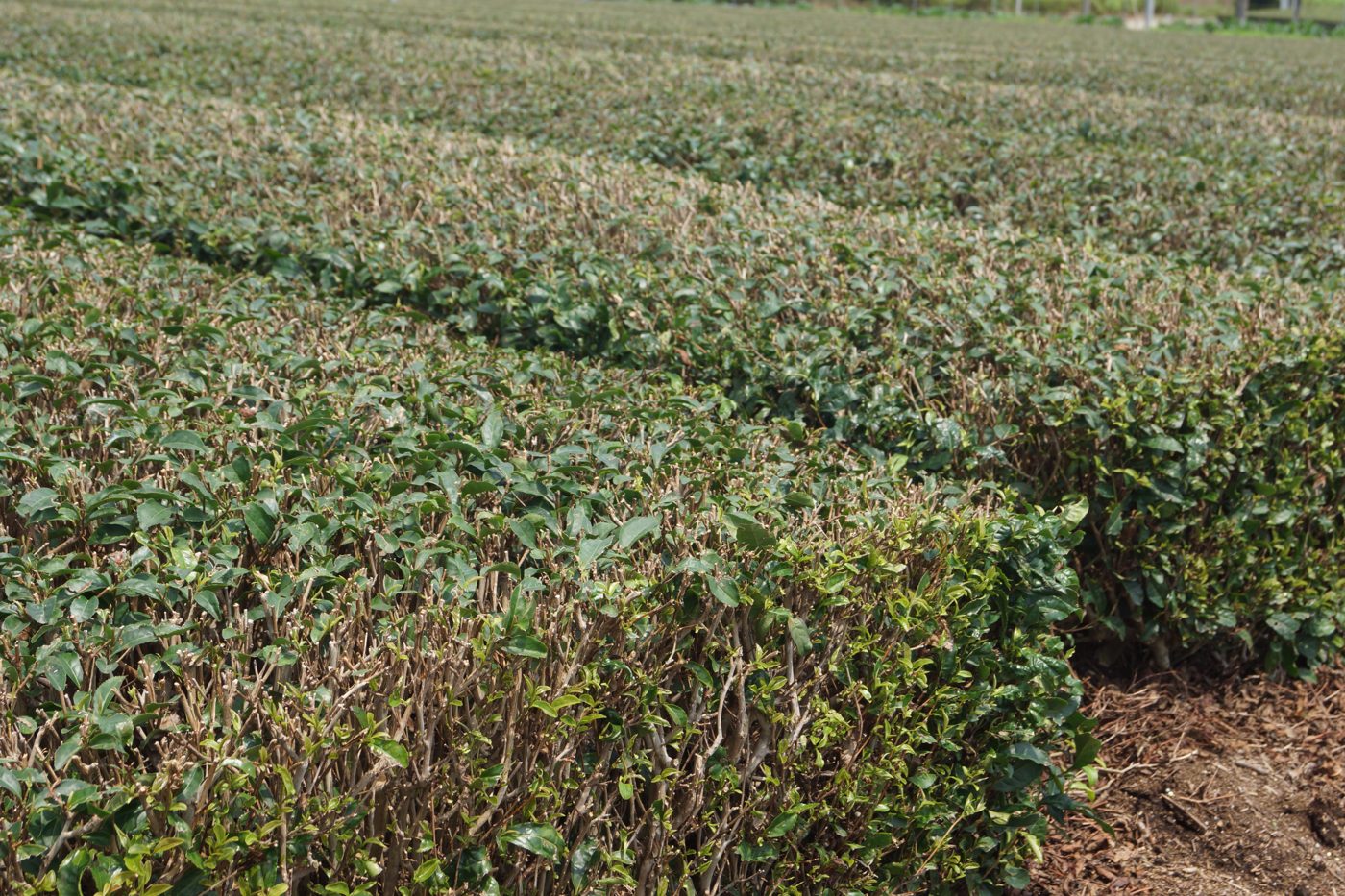
Okumidori buds later in spring than Yabukita, which can help it avoid late frost. It is known for dark green leaves and a strong response to shading, which is why it is widely used for tencha and kabusecha. As matcha, it typically shows a creamy, mellow body, lingering sweetness, and very gentle bitterness. These qualities make it attractive for straight matcha, premium lattes where you want matcha to stand out, and retail products sold on taste.
Yabukita: classic, crisp, and versatile
Yabukita has been the foundation of Japanese green tea for decades. As shaded, first-flush matcha, it delivers strong umami with a slightly brisker, more structured finish. Many tasters describe it as clean and refreshing. That structure helps it cut through milk and sweeteners, which makes it a dependable choice for high-volume café menus and everyday drinks.
Which should you choose?
- Straight matcha or usucha service: Okumidori for maximum smoothness and aroma; Yabukita if you prefer a crisper cup.
- Matcha lattes with dairy milk: Both work well. Okumidori gives a softer, sweeter latte; Yabukita gives more definition.
- Oat or other plant milks: Yabukita's sharper edge can balance sweeter, heavier milks. Test both.
- Retail tins and gift products: Okumidori's aroma is easy to communicate to consumers.
- High-volume daily drinks: Yabukita offers reliable character for repeat customers.
How to run a fair tasting
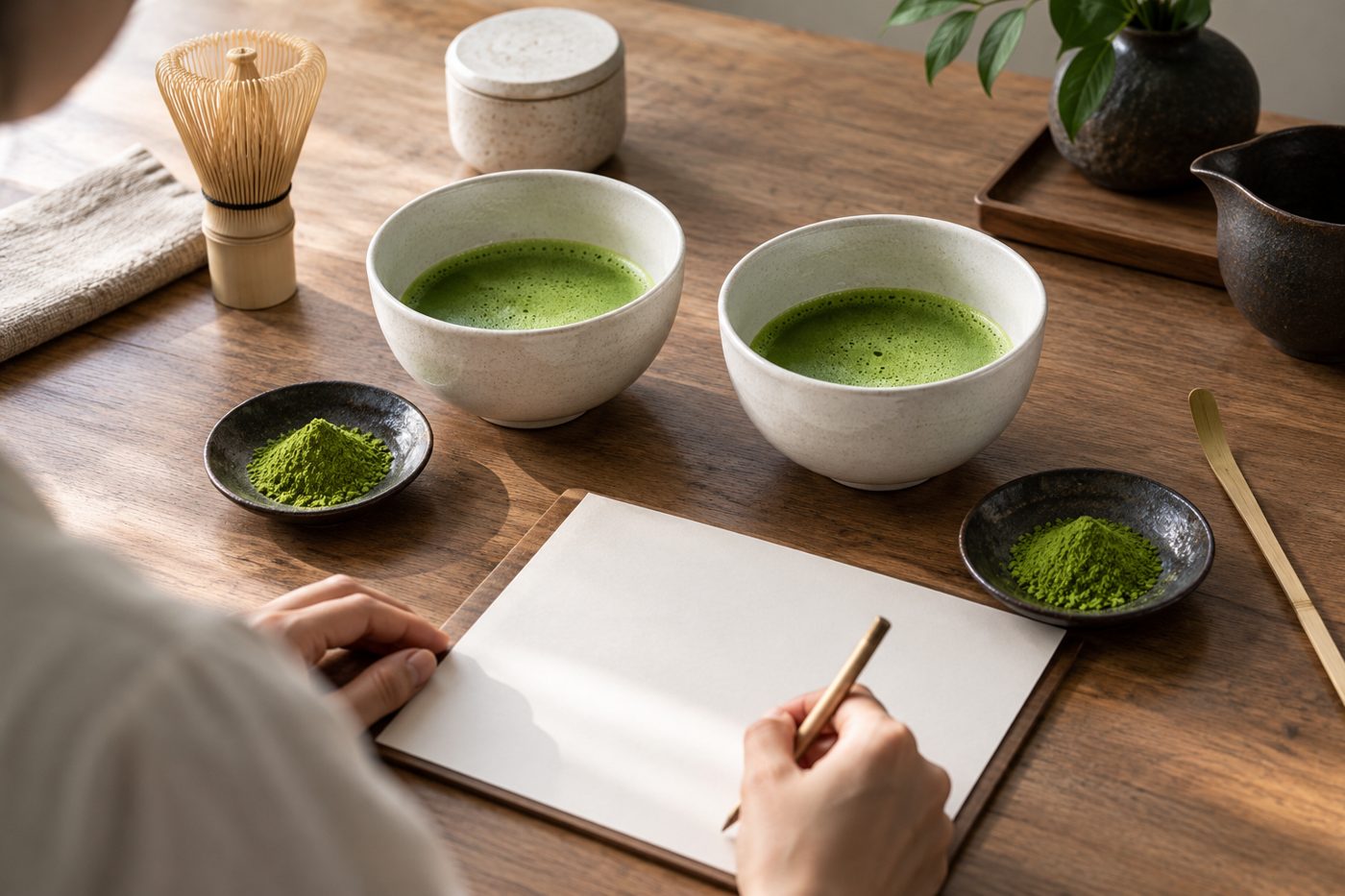
- Use the same water temperature (around 70 to 80 °C, or 160 to 175 °F) and the same dose for each.
- Whisk each with water first to judge the matcha itself.
- Then prepare each in your standard latte recipe.
- Compare color in the cup after five minutes, since oxidation shows quickly.
- Ask staff and a few regular customers to taste blind.
Frequently asked questions
Q: Is Okumidori higher quality than Yabukita?
A: No. They are different styles. Quality depends on harvest, shading, processing, and freshness as much as on cultivar.
Q: Can I offer both?
A: Yes. Some cafés use one cultivar for straight matcha and the other for lattes, or rotate them as a tasting flight.
Q: Are Okumidori and Yabukita related?
A: Yes. Okumidori was bred from Yabukita, which is one reason they share strong umami but differ in style.
Sources and further reading: NARO cultivar records; Origin Leaf Japan product specifications.
Serving matcha in your café or building a matcha brand? Origin Leaf Japan supplies first-flush, single-origin matcha from Suzuka, Mie, to cafés, retailers, distributors and food manufacturers, milled to order with a 5 kg minimum, 1 kg packs, and delivery in as little as 10 days. Request a quote or samples →
MORE IN B
Cultivars, Cultivation and Craft
- 15 Why Japanese Tea Tastes Different from Chinese Tea
- 14 Why Stone-Milled Matcha Tastes Better: The Science of Particle Size Distribution
- 13 Why Fertilizer Unlocks a Tea Cultivar's Full Potential
- 12 A Short History of Tea Plant Breeding in Japan