Why Japanese Tea Tastes Different from Chinese Tea

Short answer: The main reason is how the leaves are heated after picking. Japanese green tea is steamed, which locks in a bright green color and fresh, vegetal, umami-rich flavor. Most Chinese green tea is pan-fired or baked, which gives toasty, nutty and floral notes. Japan's use of shading, clonal cultivars and different brewing styles widens the gap further.
Key takeaways
- Both countries use the same species, Camellia sinensis, but process it differently.
- Steaming (Japan) vs pan-firing (China) is the defining difference in flavor.
- Japanese teas such as matcha, gyokuro and kabusecha are shaded to increase umami.
- Powdered tea originated in Song dynasty China and was preserved in Japan as matcha.
- China now produces matcha too, so origin and specifications matter.
The decisive step: how the leaf is "fixed"
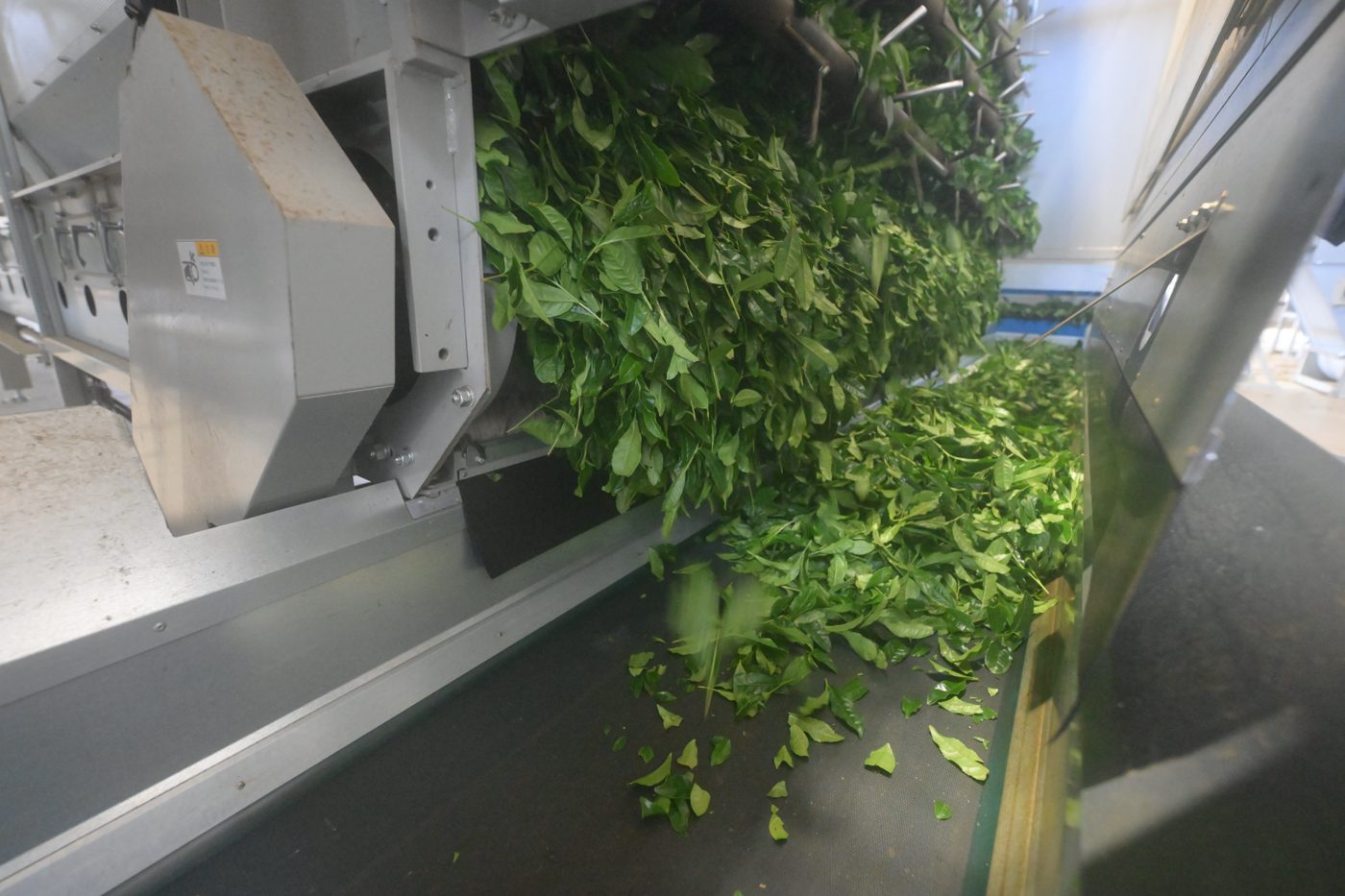
After harvest, fresh tea leaves begin to oxidize. Green tea makers stop this by heating the leaves, a step called fixing or "kill-green."
- Japan: steaming. Leaves are steamed for a short time. Moist heat preserves chlorophyll and fresh aromas, producing a vivid green color and vegetal, marine and sweet notes.
- China: pan-firing or baking. Leaves are tossed in hot pans or baked. Dry heat creates toasty, nutty, chestnut-like and sometimes floral aromas, and a more yellow-green liquor. Famous examples include Longjing (Dragon Well) and Biluochun.
Shading and umami
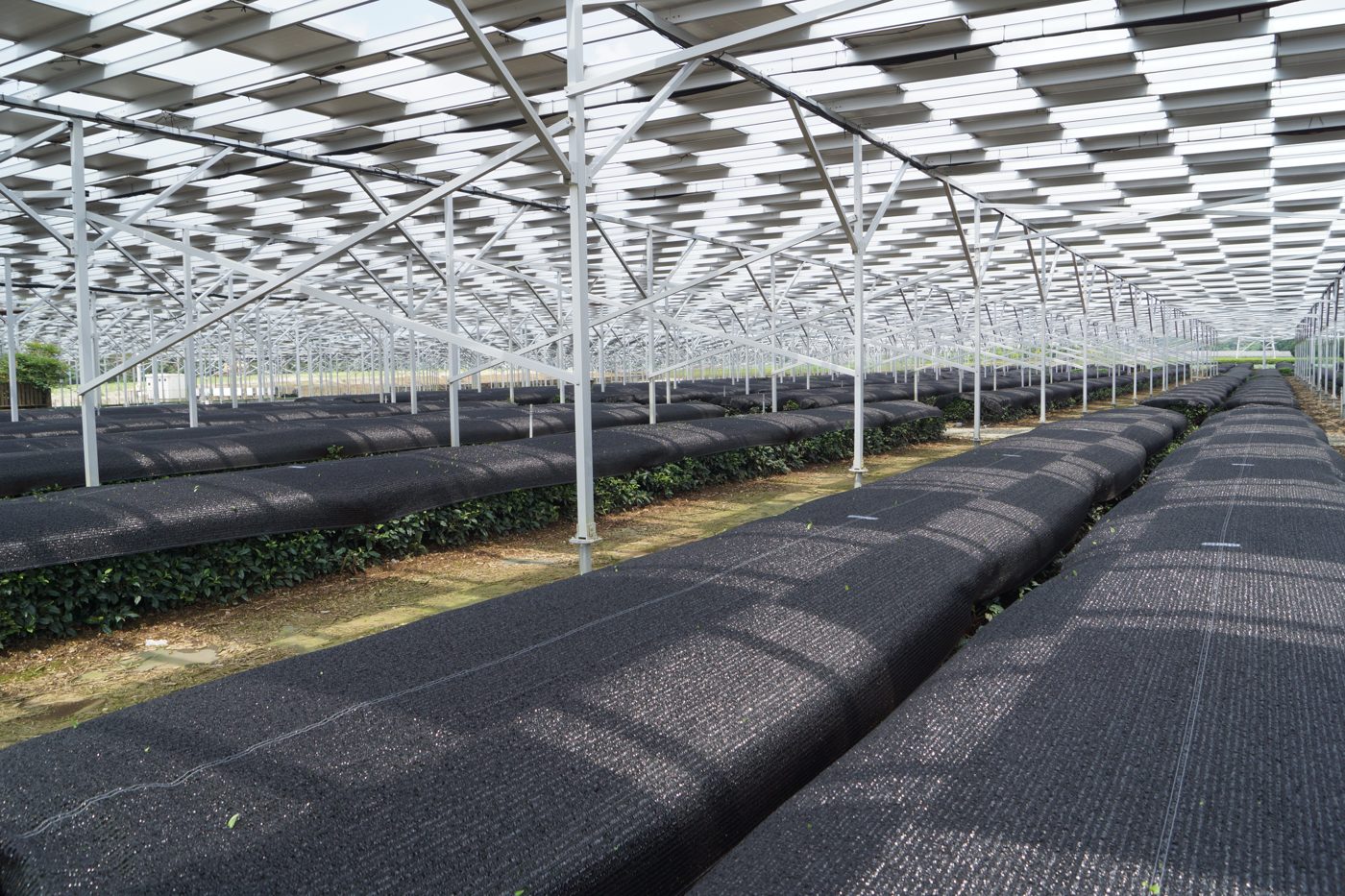
Japan uniquely emphasizes shaded teas. Shading keeps L-theanine high and catechins lower, producing intense umami. Matcha, gyokuro and kabusecha are all shaded. In China, shading is much less common.
Cultivars and terroir
Japanese tea fields are dominated by registered clonal cultivars such as Yabukita, Okumidori and Saemidori, giving consistent flavor. China grows an enormous diversity of local varieties suited to its many regions and styles.
A shared history of powdered tea
Powdered, whisked tea was fashionable in Song dynasty China (960 to 1279). Japanese monks, notably Eisai, brought the practice and tea seeds back to Japan in the late twelfth century. In China, loose-leaf brewing later replaced powdered tea, while in Japan powdered tea developed into matcha and the tea ceremony. In that sense, matcha preserves a Chinese tradition that Japan refined over 800 years.
What about Chinese matcha?
China now produces significant amounts of tea powder and matcha, with some regions investing heavily in tencha production. Products differ in cultivar, shading, processing and price. Neither origin is automatically better, but labels should state the origin clearly so buyers can compare like with like.
Brewing differences
Japanese green teas are often brewed at lower temperatures with short steeps to emphasize sweetness and umami. Chinese green teas are often brewed in glasses or gaiwan at somewhat higher temperatures to release their roasted aromas.
Frequently asked questions
Q: Is Japanese green tea healthier than Chinese green tea?
A: Both contain catechins and L-theanine. Differences depend more on the specific tea, harvest and preparation than on country.
Q: Why is Japanese green tea greener?
A: Steaming preserves chlorophyll, and shading increases it.
Q: Is matcha Chinese or Japanese?
A: Powdered tea began in China, but matcha as made today, from shaded tencha, is a Japanese development.
Sources and further reading: Global Japanese Tea Association; Japan Ministry of Agriculture, Forestry and Fisheries.
Serving matcha in your café or building a matcha brand? Origin Leaf Japan supplies first-flush, single-origin matcha from Suzuka, Mie, to cafés, retailers, distributors and food manufacturers, milled to order with a 5 kg minimum, 1 kg packs, and delivery in as little as 10 days. Request a quote or samples →
MORE IN B
Cultivars, Cultivation and Craft
- 14 Why Stone-Milled Matcha Tastes Better: The Science of Particle Size Distribution
- 13 Why Fertilizer Unlocks a Tea Cultivar's Full Potential
- 12 A Short History of Tea Plant Breeding in Japan
- 11 Okumidori vs. Yabukita: Flavor, Color and Best Uses Compared