The 800-Year Journey of Japanese Matcha

Short answer: Matcha's story in Japan began in the late twelfth century, when the Zen monk Eisai brought tea seeds and the custom of whisked powdered tea from Song dynasty China. Over the next centuries, tea moved from temples to samurai society, became the heart of the tea ceremony perfected by Sen no Rikyu in the sixteenth century, and was refined through shaded cultivation in Uji. Today, after 800 years, matcha has become a global drink.
Key takeaways
- Powdered, whisked tea was fashionable in Song dynasty China (960 to 1279).
- Eisai brought tea to Japan in 1191 and wrote Kissa Yojoki ("Drinking Tea for Health") in the early thirteenth century.
- Tea spread from Zen temples to the warrior class and became an art in the tea ceremony.
- Shaded cultivation in Uji, developed by the late sixteenth century, created matcha's deep green color and umami.
- Matcha went global through sweets in the late twentieth century and through café lattes in the twenty-first.
Origins in China
Tea had reached Japan earlier, but it was in Song dynasty China that the practice of whisking powdered tea in a bowl flourished, especially in Zen (Chan) monasteries. Steamed leaves were dried and ground, and the powder was whisked with hot water.
Eisai and the Zen connection (late 1100s to 1200s)
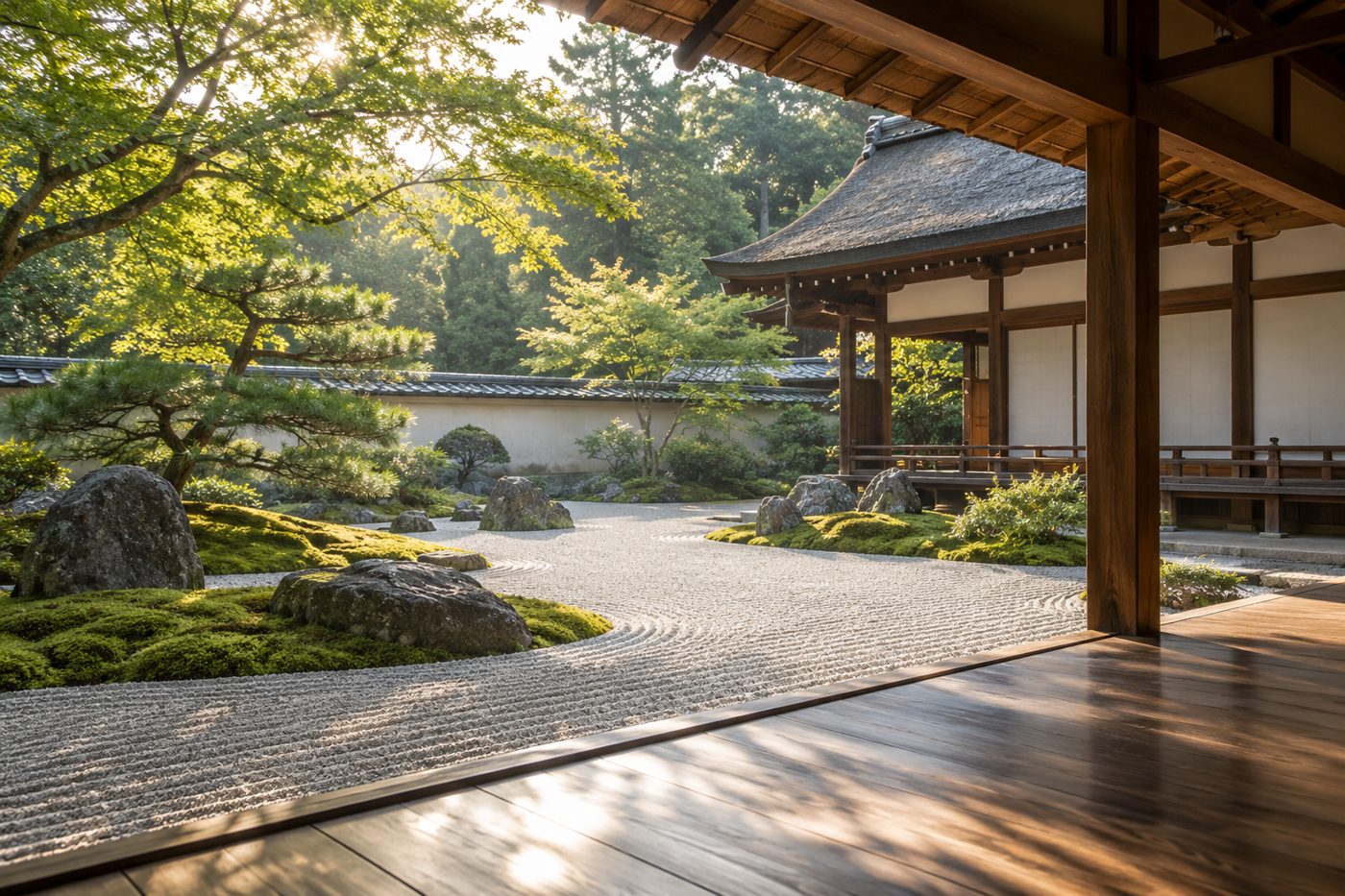
In 1191, the monk Eisai returned from China with tea seeds and Zen teachings. He promoted tea as an aid to meditation and health and wrote Kissa Yojoki, often described as Japan's first book on tea. The monk Myoe is said to have planted tea at Toganoo, near Kyoto, with seeds from Eisai, and tea cultivation gradually spread to Uji and other areas.
Tea among the samurai (1300s to 1400s)
Tea drinking spread to the warrior class. Lavish tea gatherings featured tea-tasting contests (tocha), in which guests guessed the origin of teas, and displays of precious Chinese utensils.
The birth of the tea ceremony (1400s to 1500s)
Tea masters turned tea from spectacle into a spiritual practice. Murata Juko emphasized simplicity and the spirit of Zen; Takeno Joo deepened the aesthetic of wabi; and Sen no Rikyu (1522 to 1591) perfected the way of tea, chado, with small rustic tea rooms, humble utensils and a focus on harmony, respect, purity and tranquility.
Uji and the invention of shade-grown tea (1500s)
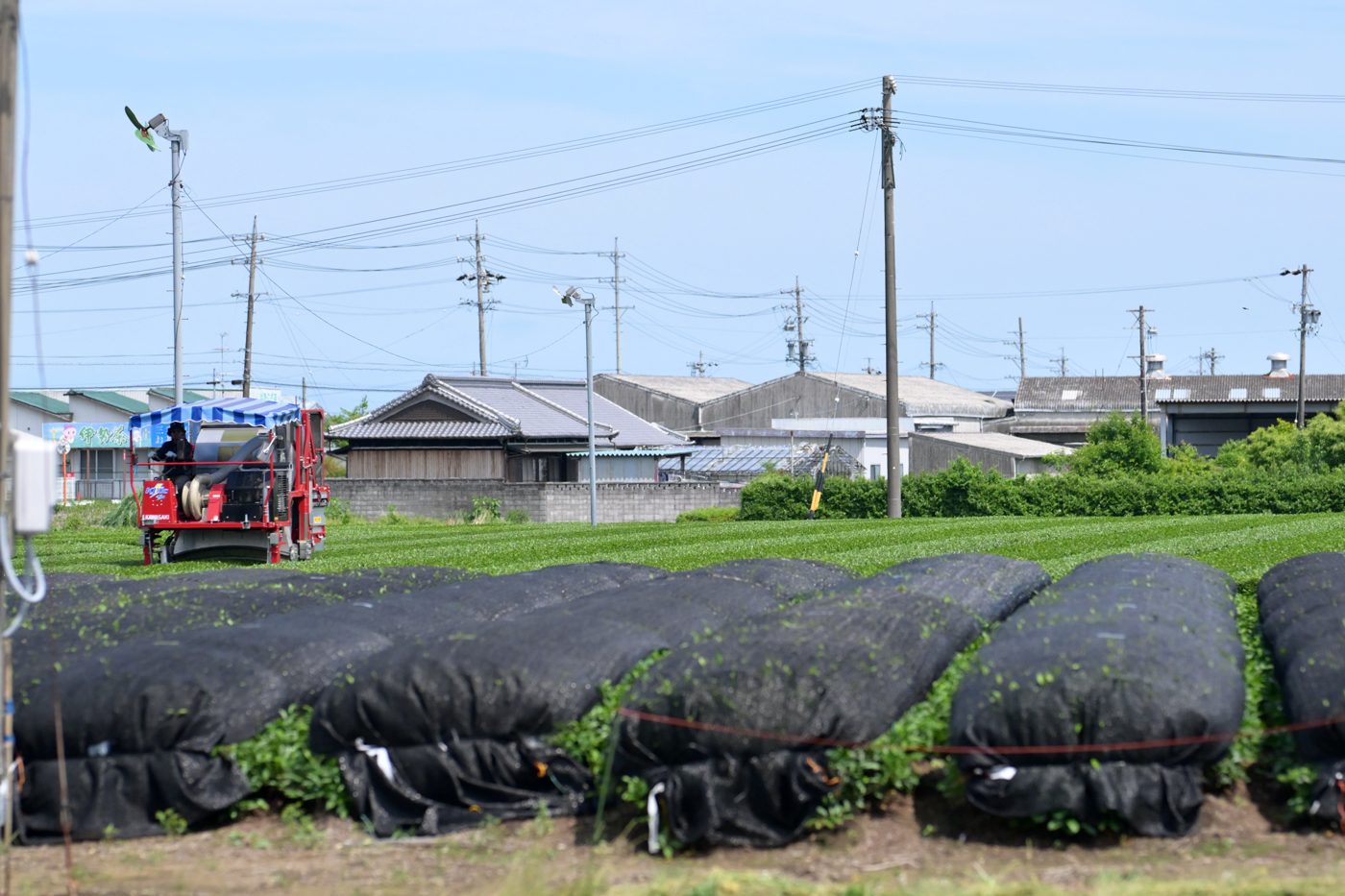
By the late sixteenth century, Uji growers had developed honzu shading, covering tea fields with reed and straw before harvest. Shading produced sweeter, greener leaves and made Uji the center of high-grade matcha, supplying the shogunate and the imperial court.
The Edo period and beyond (1600s to 1800s)
In 1738, Nagatani Soen of Ujitawara developed a method for steaming and rolling leaf tea, the forerunner of modern sencha. Leaf tea became Japan's everyday drink, while matcha remained central to the tea ceremony and to elite and religious culture.
Modernization (1900s)
Mechanized processing, tencha drying furnaces and powered mills made matcha production more efficient. The tea ceremony became widely studied, and matcha began to appear in sweets, ice cream and confectionery across Japan.
Matcha goes global (late 1900s to today)
Matcha ice cream and sweets introduced the flavor to international visitors. By the 2000s, matcha lattes appeared in coffee chains abroad. In the 2020s, social media, wellness trends and café culture turned matcha into a global phenomenon, and Japan's matcha exports reached record levels, straining supply of first-flush tencha.
Frequently asked questions
Q: Who brought matcha to Japan?
A: The Zen monk Eisai is credited with bringing the practice of powdered tea and tea seeds from China in 1191.
Q: How old is the Japanese tea ceremony?
A: Its form developed in the fifteenth and sixteenth centuries and was perfected by Sen no Rikyu in the late 1500s.
Q: Why is Uji so famous?
A: Uji pioneered shaded cultivation and supplied the court and shogunate, building a reputation that continues today.
Sources and further reading: Global Japanese Tea Association; Japan Ministry of Agriculture, Forestry and Fisheries, regional tea histories.
Serving matcha in your café or building a matcha brand? Origin Leaf Japan supplies first-flush, single-origin matcha from Suzuka, Mie, to cafés, retailers, distributors and food manufacturers, milled to order with a 5 kg minimum, 1 kg packs, and delivery in as little as 10 days. Request a quote or samples →
MORE IN D
Culture and History
- 24 How to Create Your Own Japanese Tea Ritual at Home
- 23 Why Japan Turned Tea into an Art Form: Chanoyu and Wabi-Sabi