How Japanese People See the Global Matcha Boom

Short answer: Japanese views on the global matcha boom are mixed. Some people are uneasy: matcha abroad often looks nothing like the tea ceremony, prices have soared, and tourists have emptied shelves in Uji. Others welcome it: the boom has revived a struggling tea industry, raised farm incomes, and inspired new ways of enjoying matcha that are now flowing back into Japan. Many in the industry hold both views at once.
Key takeaways
- Matcha abroad is mostly a café drink; in Japan it is rooted in the tea ceremony.
- Concerns include loss of cultural context, shortages, rising prices and quality dilution.
- Supporters point to record exports, better prices for growers and renewed interest from younger Japanese people.
- New styles such as iced lattes and fruit-flavored matcha drinks are being adopted and refined in Japan.
- Many in the trade argue the future lies in high-value, high-quality matcha rather than volume.
Two very different worlds of matcha
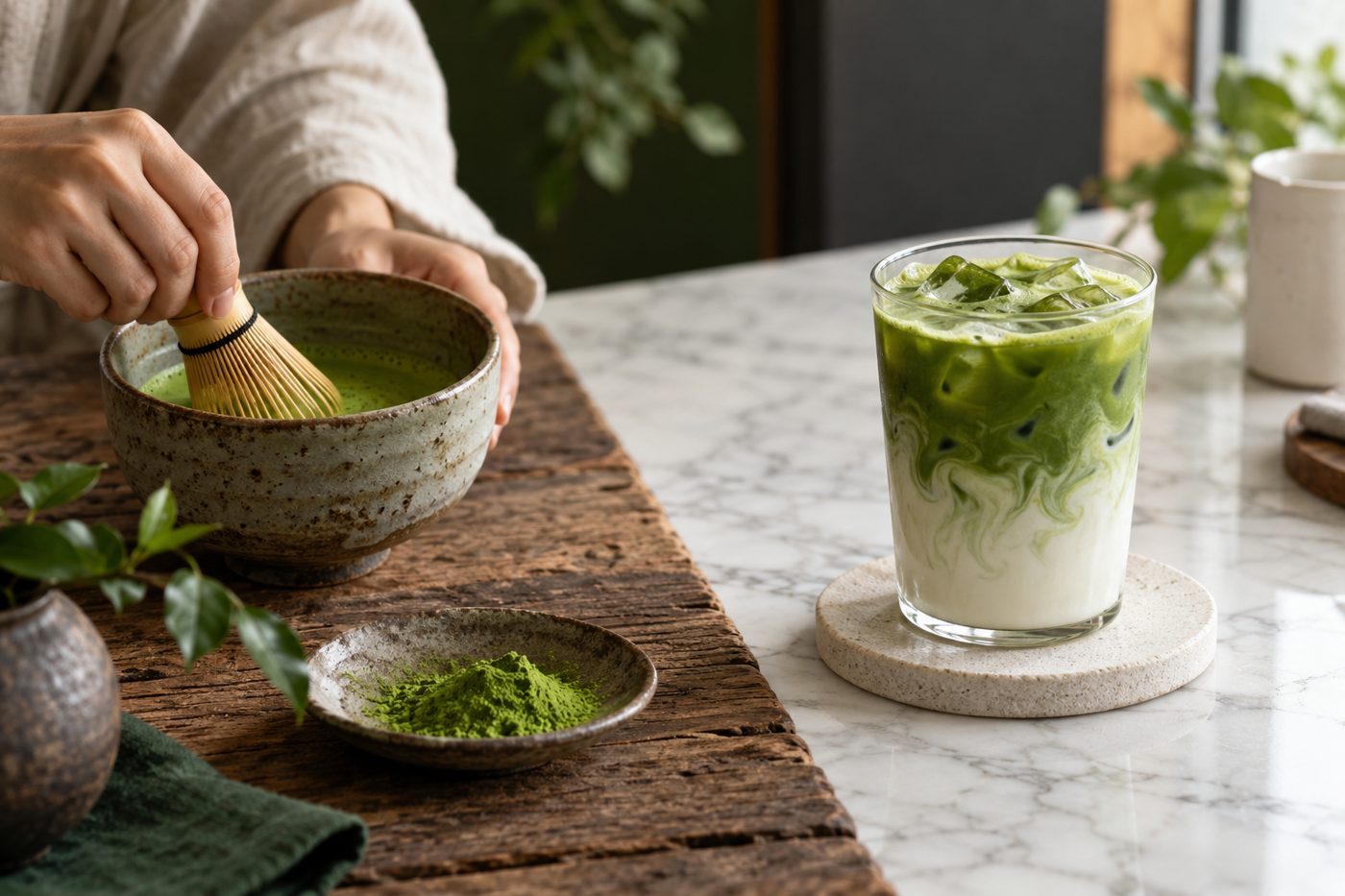
In Japan, matcha has long been associated with chanoyu, the tea ceremony, where preparation, the bowl, the room and the season all matter as much as the drink. Abroad, matcha became popular as a café latte, often iced, sweetened and flavored, and as a social media favorite with a striking green color.
Why some Japanese people feel uneasy
- Cultural context: For people who studied the tea ceremony, matcha served in a large cup with syrup and whipped cream can feel far removed from the original.
- Shortages: Tea shops in Uji and elsewhere have limited purchases per customer as visitors bought up stock, making it harder for local customers to find their usual matcha.
- Prices: First-flush tencha prices at Kyoto's market rose sharply in 2025 and stayed high in 2026, raising costs for tea schools, confectioners and households.
- Quality concerns: There is worry that low-quality powders sold as "matcha" will damage the reputation of Japanese tea.
Why others are optimistic
- A lifeline for growers: After years of falling domestic demand for leaf tea, the boom has brought better prices to farmers and wholesalers. Japan's green tea exports reached about ¥72.1 billion in 2025, roughly double the previous year, according to industry commentary in Forbes Japan.
- New audiences: Younger Japanese consumers are rediscovering matcha through lattes and sweets.
- Innovation flowing back: Styles that took off overseas, such as layered iced matcha lattes, oat-milk matcha and fruit pairings like strawberry matcha, are now common in Japanese cafés, where they are refined with Japanese ingredients and attention to quality.
The industry's challenge: making the boom last
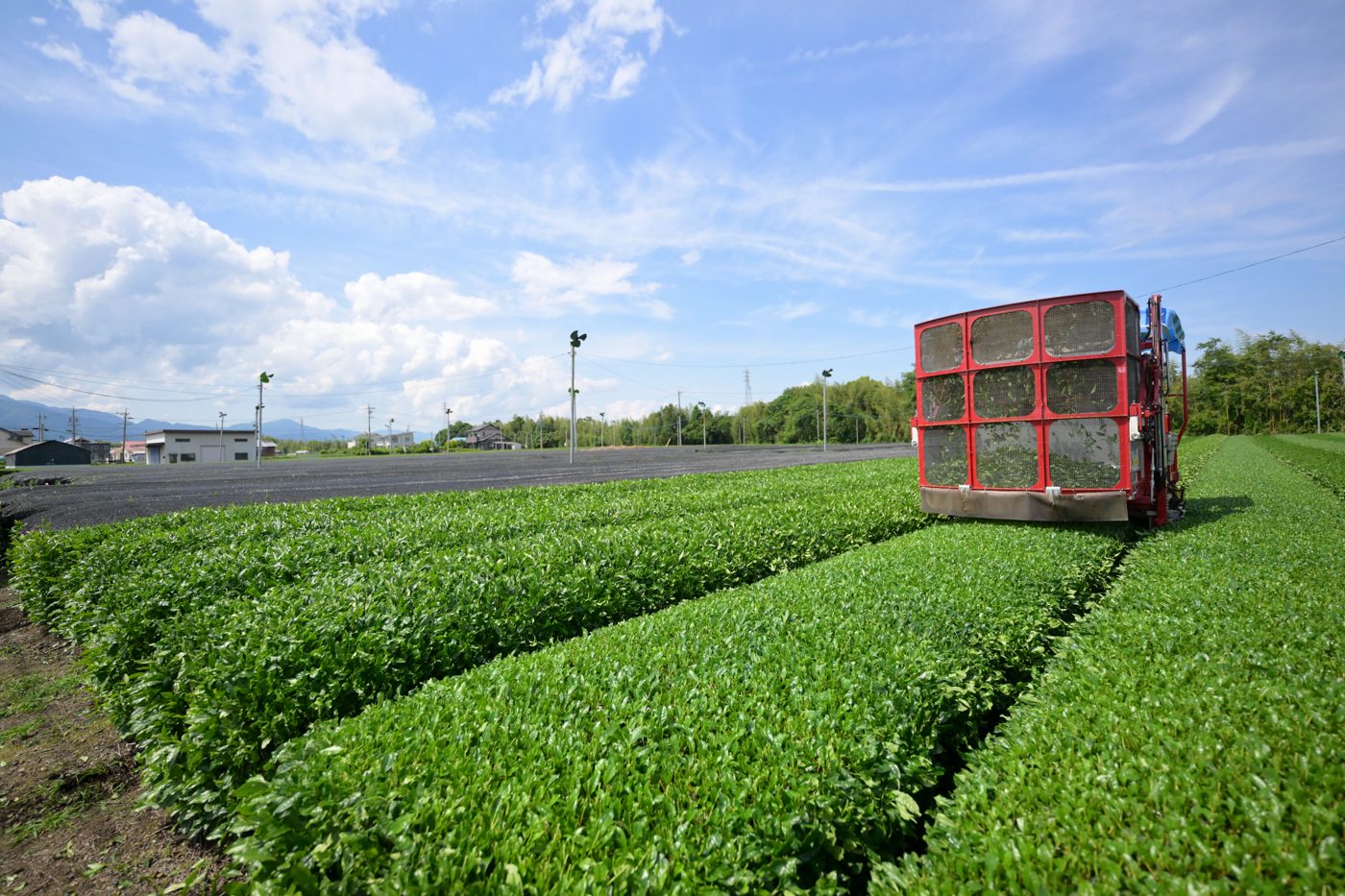
Industry voices in Japan warn that a trend can fade, and that if prices rise too far, cafés may switch to cheaper sources. Writing in Forbes Japan in April 2026, Ryo Iwamoto, founder of tea company TeaRoom, argued that the Japanese tea industry should focus on high-quality, high-value matcha and on sustaining global demand rather than competing on volume.
A middle path
Many Japanese tea professionals see no contradiction in welcoming new styles while sharing the deeper culture. A latte can be someone's first step toward a whisked bowl of usucha, a visit to a tea field, or curiosity about cultivars and origin. The important thing is honesty: clear origin, real matcha, and respect for the people who grow it.
Our view
At Origin Leaf Japan, we are glad to see matcha loved in new ways. We supply cafés and brands that put matcha in lattes, desserts and drinks we never imagined, and we believe that transparency about where the tea comes from, and fair value for growers, is how this boom becomes a lasting relationship.
Frequently asked questions
Q: Do Japanese people think matcha lattes are "wrong"?
A: Some purists do, but matcha lattes are very popular in Japan itself, especially among younger people.
Q: Has the boom helped Japanese farmers?
A: It has raised prices and demand for tencha, though rising costs, labor shortages and aging growers remain serious challenges.
Q: Is there a risk the boom will end?
A: Like any trend, demand can cool. Quality, transparency and fair pricing are the best foundations for long-term demand.
Sources and further reading: Forbes Japan, Ryo Iwamoto (TeaRoom), commentary on the matcha boom (April 2026); Bunshun Online, column on matcha shortages (January 2026); Japan Ministry of Agriculture, Forestry and Fisheries export statistics.
Serving matcha in your café or building a matcha brand? Origin Leaf Japan supplies first-flush, single-origin matcha from Suzuka, Mie, to cafés, retailers, distributors and food manufacturers, milled to order with a 5 kg minimum, 1 kg packs, and delivery in as little as 10 days. Request a quote or samples →
MORE IN C
Origin, Farmers and the Tea Industry
- 20 From Japanese Tea Farm to Your Café: The Journey of a Matcha Order
- 19 Who Will Grow Japan's Tea? The Succession Crisis on Japanese Tea Farms
- 18 The Hidden World of Japanese Tea Farmers: What Growers Rarely Talk About
- 17 Suzuka, Mie: The Origin Behind Our Matcha