The Hidden World of Japanese Tea Farmers: What Growers Rarely Talk About

Short answer: Behind every tin of matcha is a farmer's year of decisions that consumers rarely see: protecting buds from spring frost, deciding exactly when to shade and harvest, processing leaves through the night during the short first-flush season, and selling tencha to buyers who will mill and brand it. Most matcha brands do not grow tea themselves, which is why transparency about the farm, cultivar and harvest is so valuable.
Key takeaways
- Most matcha brands buy tencha from farmers or markets and mill it; few grow their own tea.
- The first-flush season lasts only a few weeks, and factories often run around the clock.
- Frost, shading timing and harvest timing can make or break a year's quality.
- Many tea farmers are over 65, and their knowledge is hard to replace.
- Direct relationships between farms and buyers bring traceability and fairer value to growers.
Secret 1: The name on the tin is rarely the farmer's
In Japan's tea trade, farmers typically grow leaf and process it into tencha, the dried leaf from which matcha is milled. Much of that tencha is sold through tea markets, cooperatives or wholesalers. Tea merchants and brands then blend, mill, pack and sell it under their own names. This system has produced excellent matcha for generations, but it means consumers rarely know which farm or cultivar is in their bowl.
Secret 2: Quality is decided in a few spring weeks
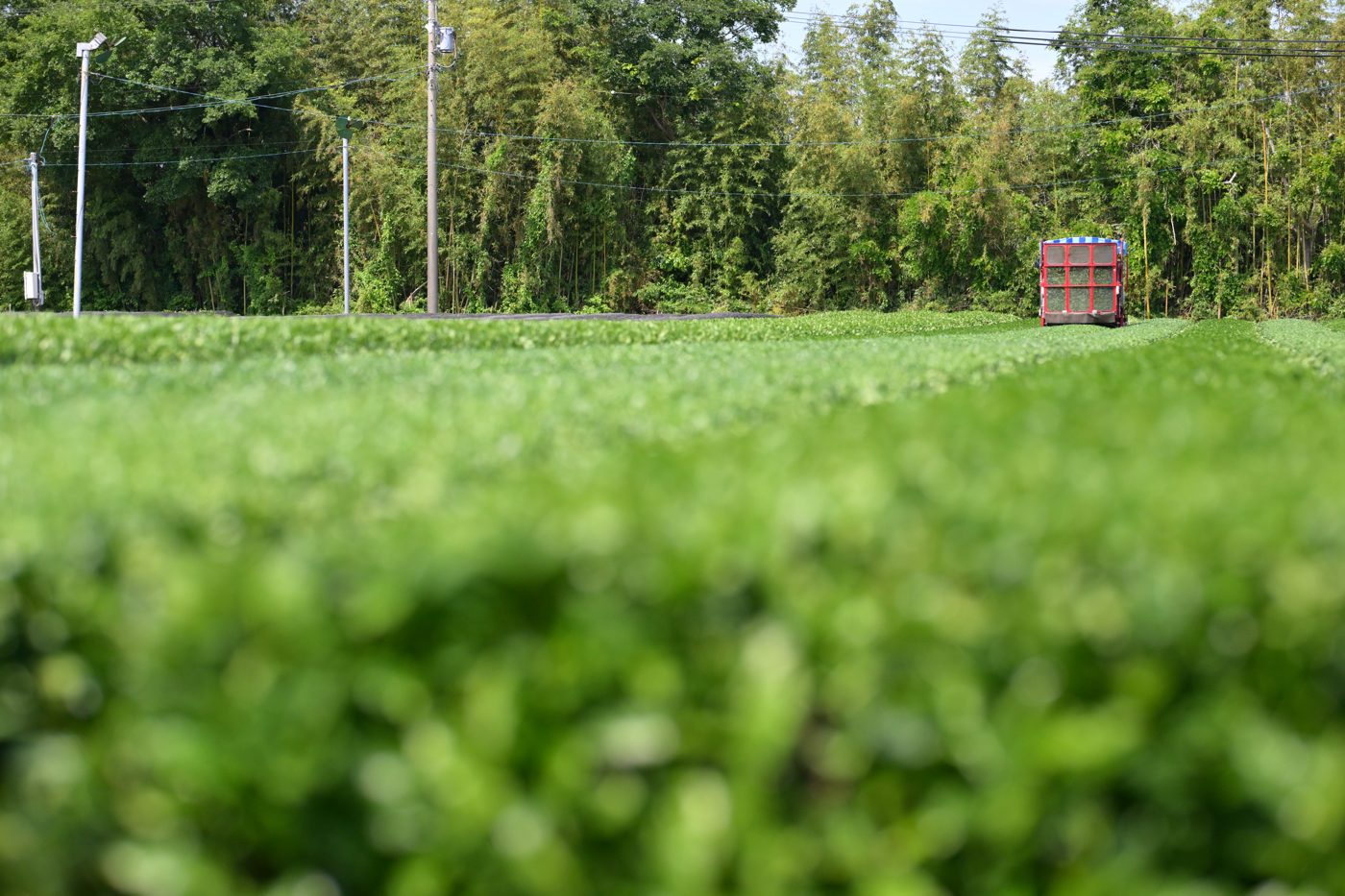
The first flush determines most of a farm's annual income and reputation. In late winter and early spring, farmers watch the buds closely. Frost in April can scorch tender shoots overnight, which is why tea fields in Japan are dotted with tall frost-protection fans that pull warmer air down onto the bushes on cold nights.
Secret 3: Shading is a judgment call, not a recipe
Shade too early or too heavily and the bushes weaken; shade too late and the leaf loses umami and color. Farmers adjust shading depth and duration by watching the buds and the weather, sometimes adding a second layer of cloth as harvest approaches.
Secret 4: Harvest season never sleeps
Once harvest begins, leaves must be steamed within hours to stop oxidation. During the short first-flush window, many tea factories run day and night, and farming families work long shifts to harvest, process and dry the tencha before quality slips.
Secret 5: Farmers taste with their hands and eyes
Experienced growers judge leaves by touch, color and smell before any lab result. The softness of a shoot, the sheen of a shaded leaf and the aroma in the steaming room all tell them how the season is going.
Secret 6: The soil is the long game
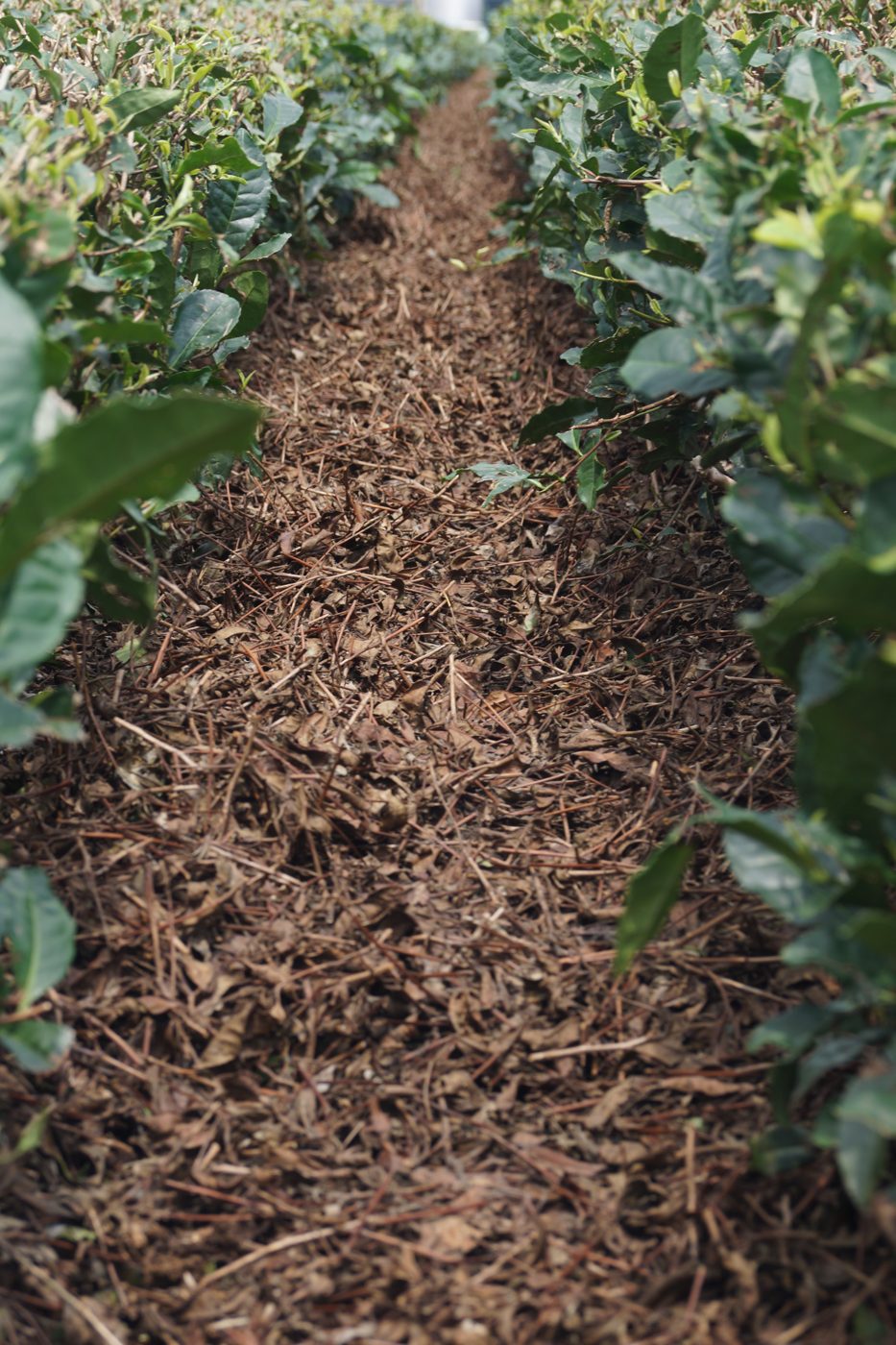
Pruning, soil care and fertilization through summer and autumn determine next spring's flush. Many quality-focused growers now base fertilization on soil analysis rather than habit, to raise quality while protecting groundwater.
Secret 7: The work is getting harder
Japan's tea farmers are aging. The share of tea growers aged 65 or over rose from 55% in 2010 to 63% in 2025, according to Japan's Ministry of Agriculture, Forestry and Fisheries, and the national tea area is shrinking. Many hillside fields are difficult to mechanize.
Why this matters to buyers
When you buy matcha with a named origin, cultivar and harvest, you are supporting a supply chain where the farmer's work is visible and valued. Origin Leaf Japan works directly with a grower in Suzuka, Mie, who processes tencha at a factory beside the fields, so our buyers know exactly where their matcha comes from.
Frequently asked questions
Q: Do tea farmers make matcha themselves?
A: Most produce tencha. Milling into matcha is often done by specialist processors or tea merchants.
Q: How many harvests does a tea farmer get?
A: Typically a first flush in spring and a second in early summer, sometimes more. For premium matcha, the first flush is what matters most.
Q: Can buyers visit Japanese tea farms?
A: Some farms welcome visits, especially from business partners. Visits are best planned outside the busy harvest weeks.
Sources and further reading: Japan Ministry of Agriculture, Forestry and Fisheries, tea statistics and "Situation Surrounding Tea" (2026).
Serving matcha in your café or building a matcha brand? Origin Leaf Japan supplies first-flush, single-origin matcha from Suzuka, Mie, to cafés, retailers, distributors and food manufacturers, milled to order with a 5 kg minimum, 1 kg packs, and delivery in as little as 10 days. Request a quote or samples →
MORE IN C
Origin, Farmers and the Tea Industry
- 21 How Japanese People See the Global Matcha Boom
- 20 From Japanese Tea Farm to Your Café: The Journey of a Matcha Order
- 19 Who Will Grow Japan's Tea? The Succession Crisis on Japanese Tea Farms
- 17 Suzuka, Mie: The Origin Behind Our Matcha