Suzuka, Mie: The Origin Behind Our Matcha

Short answer: Origin Leaf Japan's matcha is grown in Suzuka, in northern Mie Prefecture, between the Suzuka Mountains and Ise Bay. Northern Mie is the heart of Ise-cha production and Japan's leading area for shaded kabusecha. Our first-flush Okumidori and Yabukita are grown, processed into tencha, milled, and packed within one integrated supply chain, which gives buyers traceability from field to shipment.
Key takeaways
- Suzuka sits in northern Mie, which produces most of the prefecture's tea.
- Mie is Japan's third-largest tea-producing prefecture and its largest kabusecha producer.
- Abundant sunshine, cool mountain air, and fertile soil support high-quality shaded tea.
- Our supply chain connects grower, tencha factory, FDA-registered milling and packing facility, and export management.
Where is Suzuka?
Suzuka is a city in northern Mie Prefecture on Japan's main island, Honshu, roughly between Nagoya and the Ise-Shima region. Its tea fields lie on gentle slopes and terraces below the Suzuka Mountains, which separate Mie from Shiga Prefecture.
A region built on shaded tea
Tea has been grown in Mie for centuries, and Ise merchants traded it widely during the Edo period. Today, tea from Mie is collectively known as Ise-cha, a regional brand. Northern Mie, including the Suzuka and Yokkaichi areas, specializes in kabusecha, a tea shaded for one to two weeks before harvest. That long experience with shading translates directly into tencha, the raw material for matcha, which requires even longer and more careful shading.
Climate and terroir
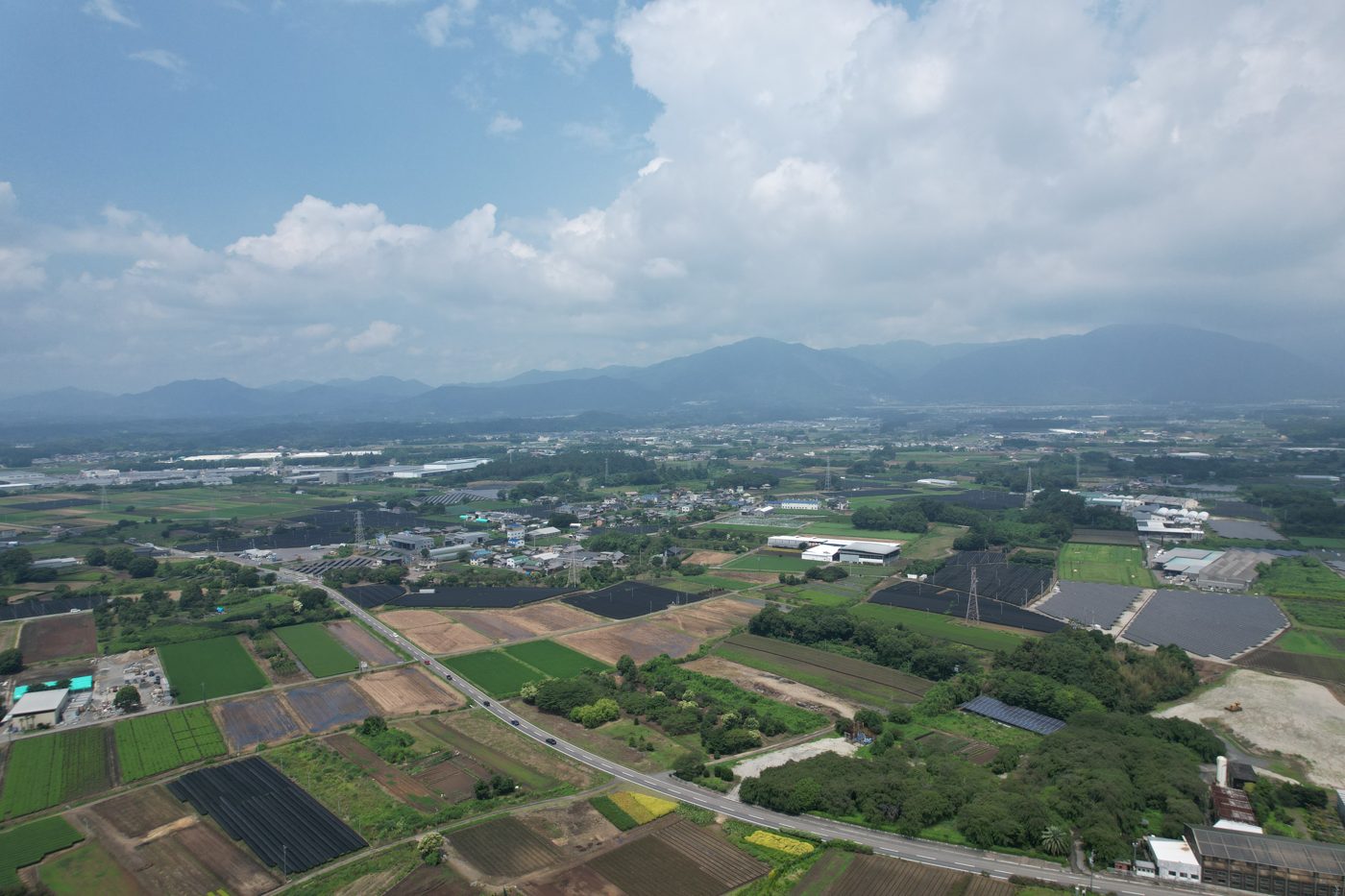
Suzuka's tea benefits from:
- Abundant sunshine during the growing season, supporting healthy growth.
- Cool breezes from the Suzuka Mountains, which create day-night temperature differences that help develop flavor.
- Rich, well-drained soils and active soil management.
From field to shipment
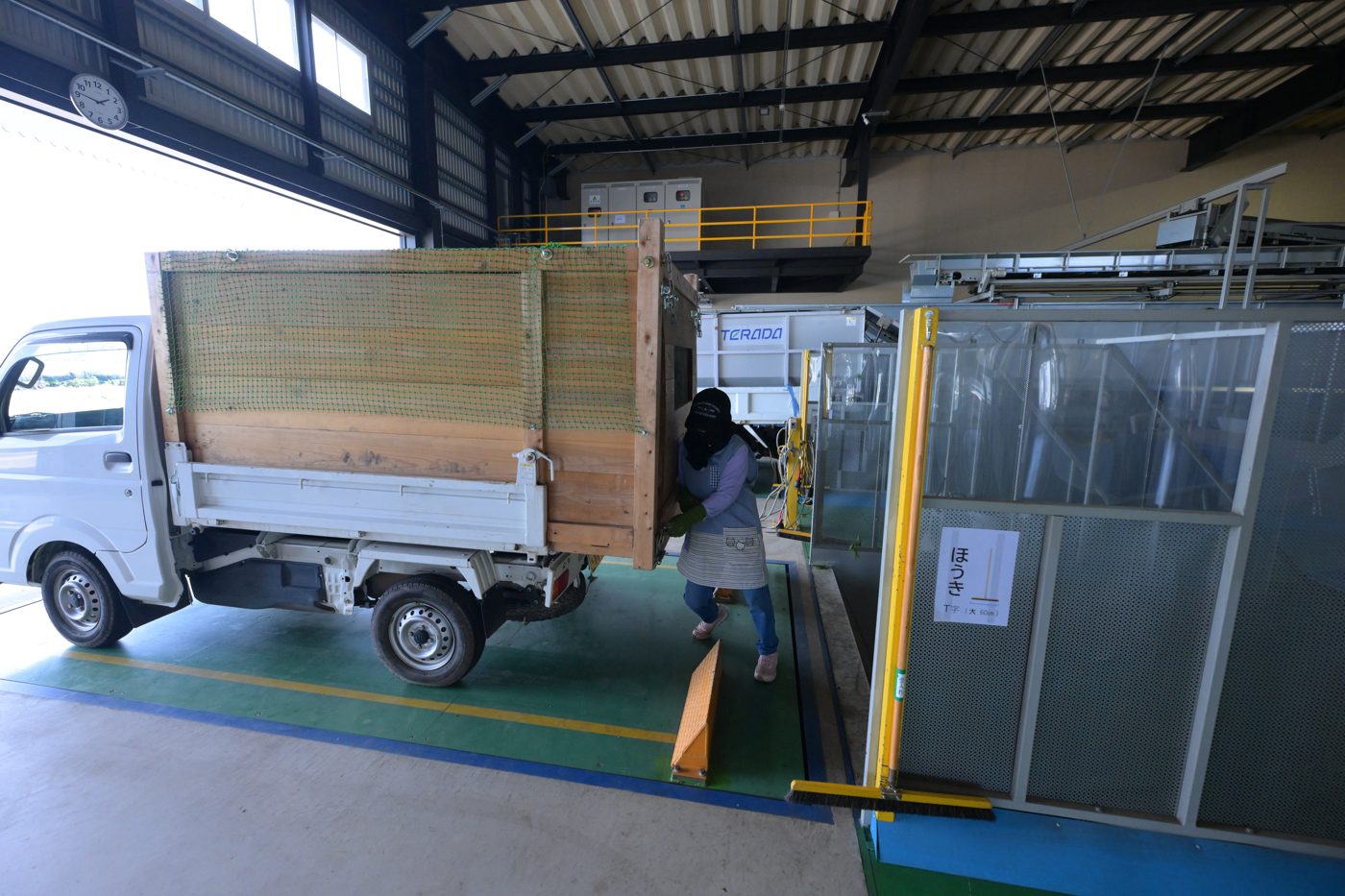
Our supply chain is designed for freshness and traceability:
- Growing: Our partner grower cultivates Okumidori and Yabukita in Suzuka, supported by field soil analysis and tailored fertilizer programs from our processing partner.
- Processing: Spring leaves are steamed and dried into tencha at the grower's own factory near the fields, minimizing the time between harvest and steaming.
- Milling and packing: Tencha is milled and packed at an FDA-registered facility.
- Export: Origin Leaf Japan manages international sales and export, including FSVP-ready documentation, working with a US agent for US shipments.
The farm and factory hold ASIAGAP certification, Japan's third-party standard for good agricultural practice.
Why we chose single origin
A single origin lets us control and describe quality precisely. Buyers know where their matcha was grown, which cultivar it is, and which harvest it comes from. It also lets us keep flavor consistent from order to order, which is essential for cafés and brands building a signature product.
Frequently asked questions
Q: Is Suzuka a famous matcha region?
A: Suzuka is better known within Japan for its tea heritage than internationally. Northern Mie is a major tea area and a leader in shaded tea, which makes it a strong origin for matcha.
Q: Can I visit the farm?
A: For established wholesale partners, we can discuss visits during the appropriate season. Please contact us.
Q: Is all of your matcha from Suzuka?
A: Yes. Our matcha is single origin from Suzuka, Mie.
Sources and further reading: Japan Ministry of Agriculture, Forestry and Fisheries, "Ise Cha"; Mie Prefecture; Global Japanese Tea Association, Mie tea region profile.
Serving matcha in your café or building a matcha brand? Origin Leaf Japan supplies first-flush, single-origin matcha from Suzuka, Mie, to cafés, retailers, distributors and food manufacturers, milled to order with a 5 kg minimum, 1 kg packs, and delivery in as little as 10 days. Request a quote or samples →
MORE IN C
Origin, Farmers and the Tea Industry
- 21 How Japanese People See the Global Matcha Boom
- 20 From Japanese Tea Farm to Your Café: The Journey of a Matcha Order
- 19 Who Will Grow Japan's Tea? The Succession Crisis on Japanese Tea Farms
- 18 The Hidden World of Japanese Tea Farmers: What Growers Rarely Talk About