Beyond Uji: Discovering Japan's Lesser-Known Matcha Regions

Short answer: Uji in Kyoto is the historic heartland of matcha, but it is far from the only source. Significant matcha and tencha production also comes from Nishio in Aichi, Kagoshima, Shizuoka, Yame in Fukuoka, and Mie. Each region has its own climate, cultivars, and processing traditions, and looking beyond Uji can give buyers better access to supply and distinctive flavor at a time of tight demand.
Key takeaways
- Uji is matcha's historic center and remains its most famous brand.
- Nishio, Kagoshima, Shizuoka, Fukuoka, and Mie are all important tea or tencha producers.
- Mie is Japan's third-largest tea-producing prefecture and its largest producer of shaded kabusecha.
- Origin labeling should be specific: "Japanese matcha" alone tells you little.
Uji, Kyoto: the historic heartland
Tea cultivation and the culture of powdered tea in Japan are closely tied to Kyoto. Uji built its reputation over centuries supplying high-grade tea to the capital, and its tea merchants refined shaded cultivation and blending. Uji matcha remains highly prized, which also makes it among the most expensive and most supply-constrained origins during the current demand boom.
Nishio, Aichi
Nishio has a long history of tencha production and is one of Japan's best-known matcha towns. Much of its output goes into processed foods and beverages as well as drinking matcha.
Kagoshima
Kagoshima is now one of Japan's two largest tea-producing prefectures. Its warm climate allows an early spring harvest, and large, flat fields support mechanized cultivation. Tencha production there has grown quickly, and Kagoshima tencha set high prices at the 2026 first-flush auctions.
Shizuoka
Japan's traditional leading tea prefecture is best known for sencha, but it also produces tencha and matcha. Many cultivars, including Yabukita, were developed or popularized here.
Yame, Fukuoka
Yame is famous for gyokuro, the shaded leaf tea, and its expertise in shading carries over into high-quality tencha.
Mie: Japan's understated tea giant
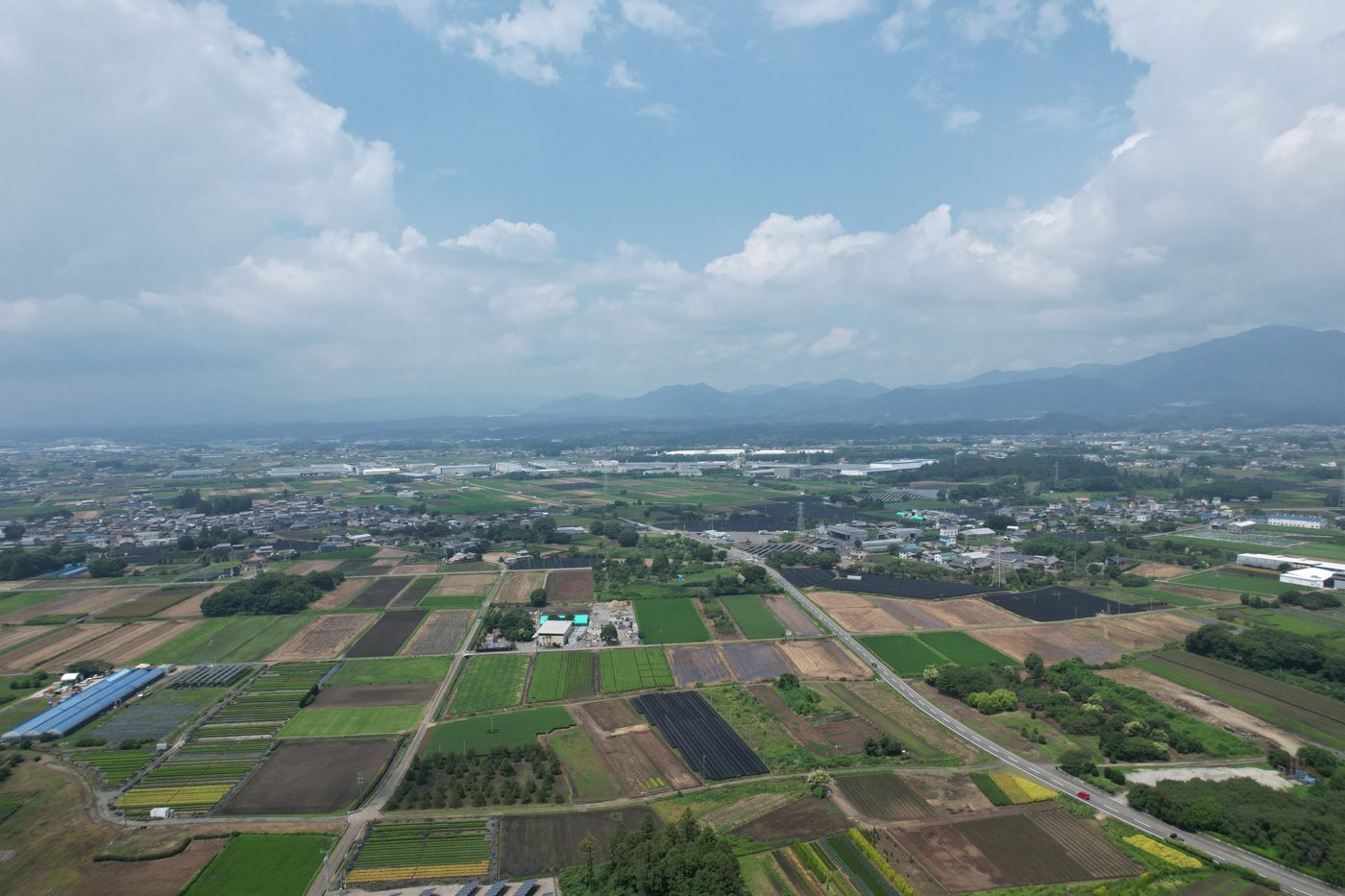
Mie Prefecture, whose tea is collectively known as Ise-cha, ranks third in Japan by tea cultivation area and production volume after Shizuoka and Kagoshima, according to Japan's Ministry of Agriculture, Forestry and Fisheries. Mie is the country's largest producer of kabusecha, a tea shaded before harvest, so its growers have deep experience with shading techniques that are essential for matcha. Most of Mie's tea comes from the northern part of the prefecture, including the area around Suzuka and Yokkaichi, between the Suzuka Mountains and Ise Bay.
Why origin matters for wholesale buyers
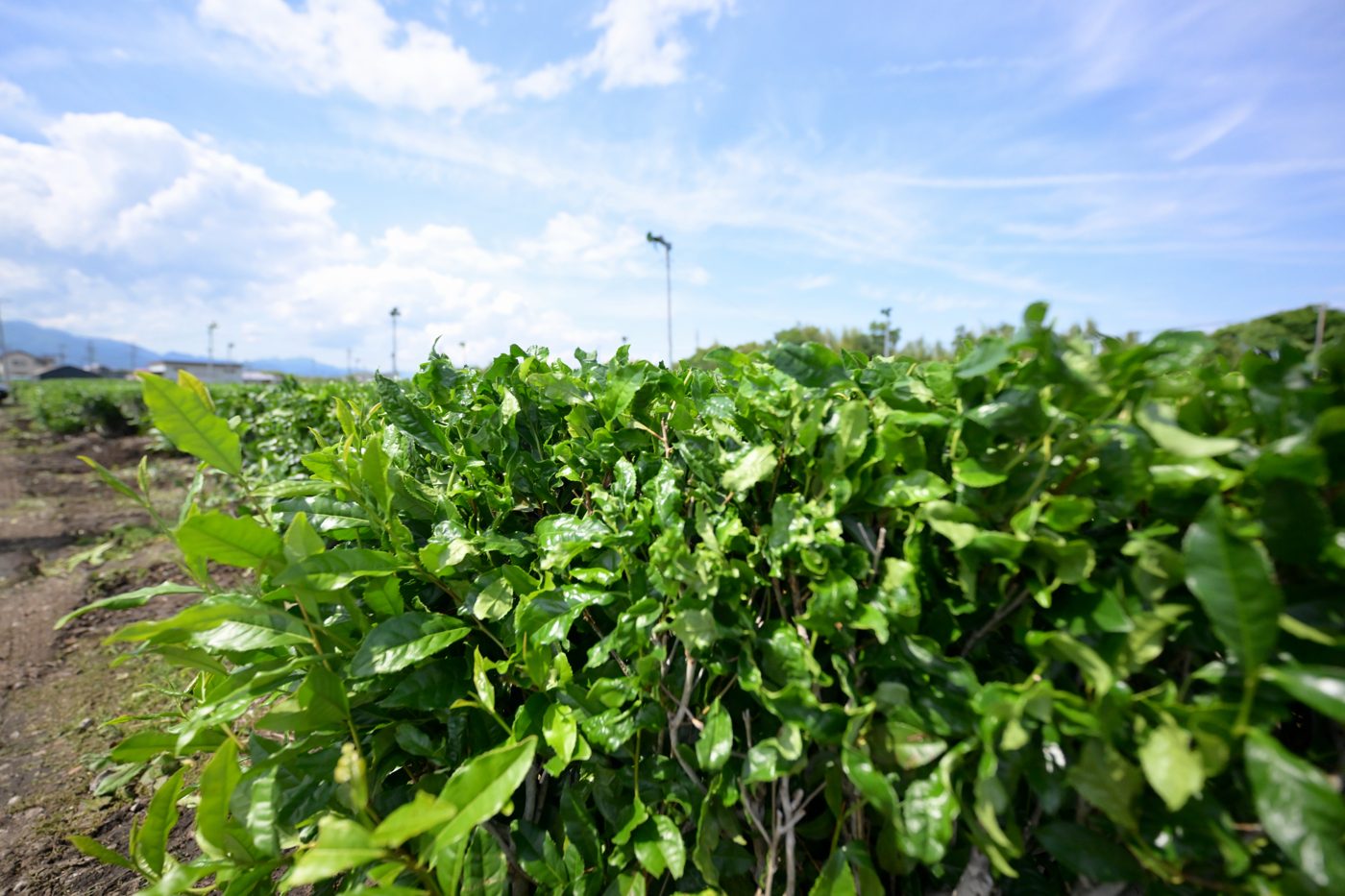
- Flavor: Climate, soil, and cultivar mix shape the profile.
- Supply resilience: Diversifying beyond the most famous origin can improve access to volume.
- Storytelling: A specific origin gives your menu or brand a credible narrative.
- Traceability: A named region and producer is easier to verify than a generic "Japan" label.
Frequently asked questions
Q: Is Uji matcha always the best?
A: Uji has an outstanding reputation, but excellent matcha comes from several regions. Judge by harvest, cultivar, processing, and taste rather than name alone.
Q: Is matcha from Mie authentic Japanese matcha?
A: Yes. Mie is one of Japan's major tea-producing prefectures and has long experience with shaded tea.
Q: Why do some products just say "Japanese matcha"?
A: Often because they are blends of several regions. That can be fine, but single-origin labeling offers more transparency.
Sources and further reading: Japan Ministry of Agriculture, Forestry and Fisheries, "Ise Cha" (Traditional Foods in Japan) and tea production statistics; Global Japanese Tea Association, Japanese Tea Growing Regions.
Serving matcha in your café or building a matcha brand? Origin Leaf Japan supplies first-flush, single-origin matcha from Suzuka, Mie, to cafés, retailers, distributors and food manufacturers, milled to order with a 5 kg minimum, 1 kg packs, and delivery in as little as 10 days. Request a quote or samples →
MORE IN C
Origin, Farmers and the Tea Industry
- 21 How Japanese People See the Global Matcha Boom
- 20 From Japanese Tea Farm to Your Café: The Journey of a Matcha Order
- 19 Who Will Grow Japan's Tea? The Succession Crisis on Japanese Tea Farms
- 18 The Hidden World of Japanese Tea Farmers: What Growers Rarely Talk About