Why Gen Z Is Falling in Love with Matcha

Short answer: Gen Z has embraced matcha because it fits how they eat, drink and share: its vivid green color looks striking on social media, it offers a gentler-feeling caffeine boost than coffee, it carries a wellness image, it can be customized endlessly with plant milks and flavors, and making it feels like a small daily ritual. Social data shows the scale: on TikTok, #matcha has been used about 2.9 million times with roughly 36 billion views, and matcha views grew 376% year on year by spring 2025.
Key takeaways
- Matcha's growth is driven largely by social video, especially TikTok.
- Iced, layered and fruit-flavored drinks, particularly strawberry matcha, are leading formats.
- Gen Z values the perceived "calm energy," wellness positioning and customization.
- The trend is seasonal, peaking with iced drinks in summer.
- For cafés, quality, color and a signature drink matter more than ever.
The numbers behind the trend
According to social analytics firm Exolyt (September 2025):
- #matcha had about 2.9 million uses on TikTok and about 36.1 billion views.
- TikTok views of matcha content rose 376% year on year by spring 2025, and Instagram about 120%.
- Strawberry matcha was the fastest-growing flavor, with views up 85% year on year.
- In August, nearly a third of matcha conversation mentioned iced matcha.
- The conversation was driven largely by young women.
Five reasons Gen Z loves matcha
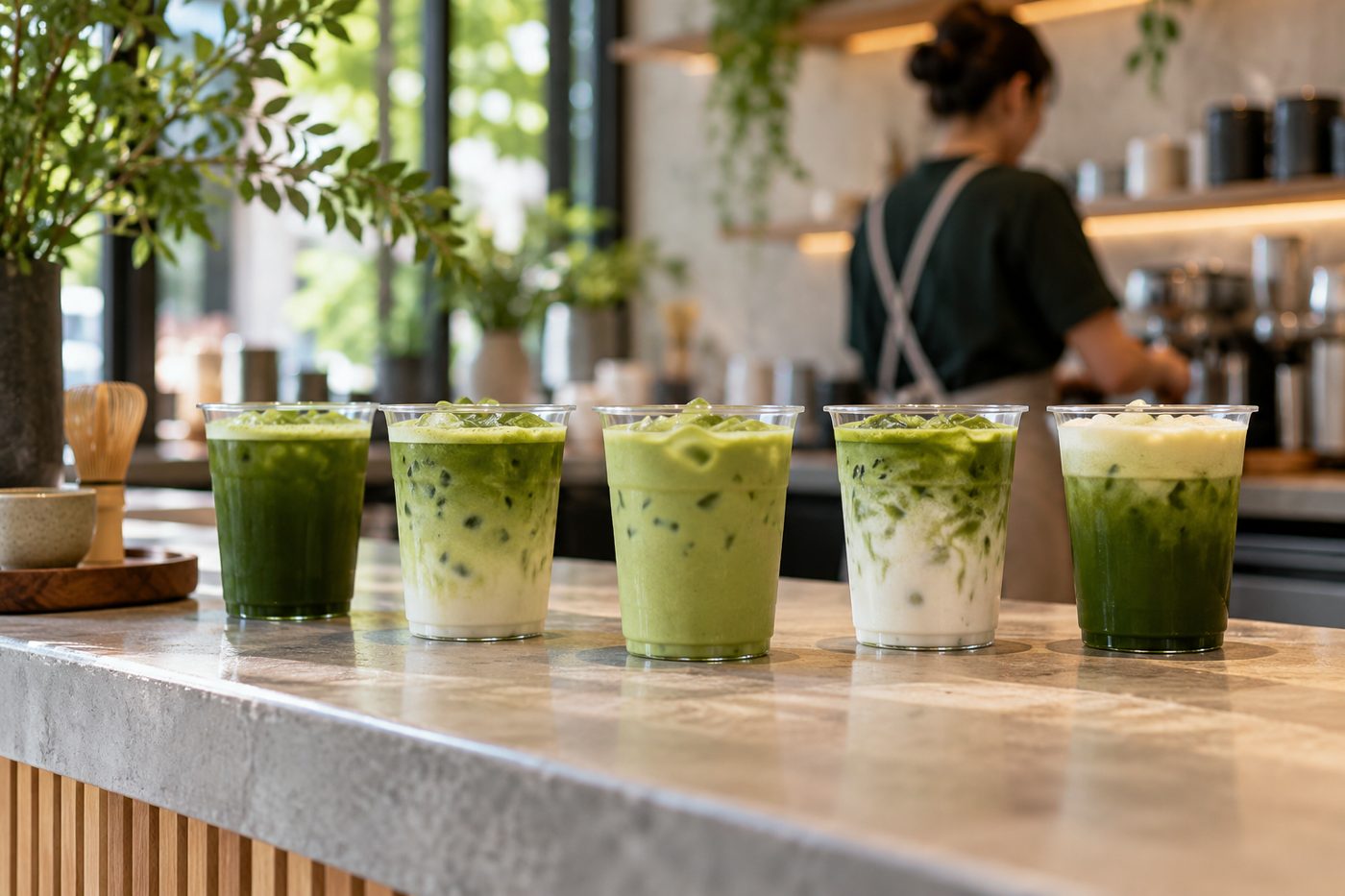
1. It is beautiful. Few drinks photograph like a layered iced matcha latte: vivid green poured over milk and ice. In a culture of sharing, color matters.
2. A different kind of energy. Many young people report that matcha feels calmer than coffee. Matcha usually has less caffeine per serving than brewed coffee and contains L-theanine, which research associates with relaxed alertness.
3. Wellness identity. Matcha is associated with antioxidants, mindfulness and a "clean" lifestyle. Some claims online go beyond the evidence, but the overall image is strongly positive.
4. Endless customization. Oat milk, coconut, vanilla, strawberry, mango, ube, cold foam: matcha is a base for creativity, and every café can create its own signature.
5. Ritual and self-care. Whisking matcha at home has become a calming routine, a small act of self-care that fits naturally into lifestyle content.
What it means for cafés and brands
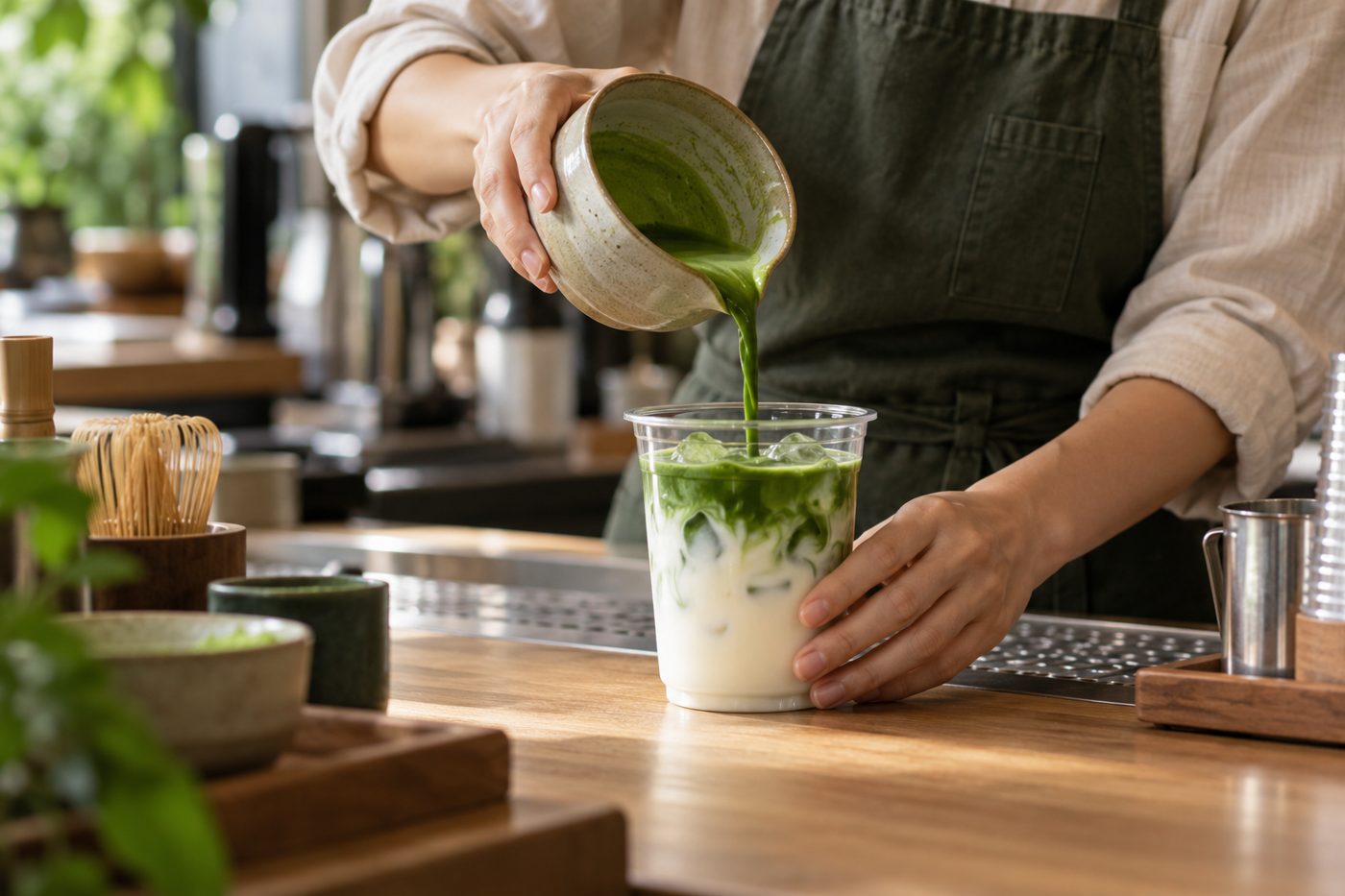
- Quality is visible. Dull or brownish matcha looks wrong on camera. Fresh, vivid first-flush matcha makes drinks more shareable.
- Signature drinks win. A distinctive matcha creation can become a reason to visit.
- Plan for seasonality. Demand for iced drinks peaks in summer.
- Tell the origin story. Younger consumers increasingly care where products come from.
- Secure supply. Popularity has strained first-flush tencha supply, so long-term supplier relationships matter.
Frequently asked questions
Q: Is the matcha trend just a fad?
A: Some formats will come and go, but matcha has grown steadily for more than a decade, and the current boom has broadened its audience.
Q: Why is strawberry matcha so popular?
A: It combines a striking pink-and-green look with a familiar, sweet flavor that balances matcha's grassiness.
Q: How can a café stand out?
A: Use high-quality, fresh matcha, keep the color vivid, and create a signature drink with a story.
Sources and further reading: Exolyt, "How Is the Matcha Trend Brewing Buzz on Socials?" (September 2025).
Serving matcha in your café or building a matcha brand? Origin Leaf Japan supplies first-flush, single-origin matcha from Suzuka, Mie, to cafés, retailers, distributors and food manufacturers, milled to order with a 5 kg minimum, 1 kg packs, and delivery in as little as 10 days. Request a quote or samples →
MORE IN F
Trends, Lifestyle and Recipes
- 34 Strawberry Matcha Latte: How to Make the Viral Drink at Home
- 33 5 Matcha Recipes That Go Beyond the Latte
- 32 Matcha vs. Hojicha: Which Japanese Tea Fits Your Lifestyle?