What Is ASIAGAP, and Why Should Matcha Buyers Care?

Short answer: ASIAGAP is a third-party certification for good agricultural practice (GAP) operated by the Japan GAP Foundation. It covers food safety, environmental conservation, worker safety, and farm management for products including tea. In 2025 the Foundation withdrew ASIAGAP from GFSI recognition and announced that ASIAGAP will be phased out by 2028 and consolidated into its JGAP standard. For buyers, ASIAGAP remains a meaningful indicator of farm management, but it is important to check the certificate's dates and the supplier's transition plan.
Key takeaways
- ASIAGAP and JGAP are Japanese GAP certification programs run by the Japan GAP Foundation, audited by independent certification bodies.
- ASIAGAP was recognized by the Global Food Safety Initiative (GFSI) from 2018.
- GFSI recognition ended on June 27, 2025. Certificates issued before that date remain GFSI-recognized until they expire; those issued on or after it are not.
- The Foundation plans to end ASIAGAP in 2028 and focus on JGAP and JGAP+SA (sustainable agriculture).
- Ask suppliers for the certificate's issue and expiry dates, scope, and plans to transition to JGAP.
What is GAP certification?
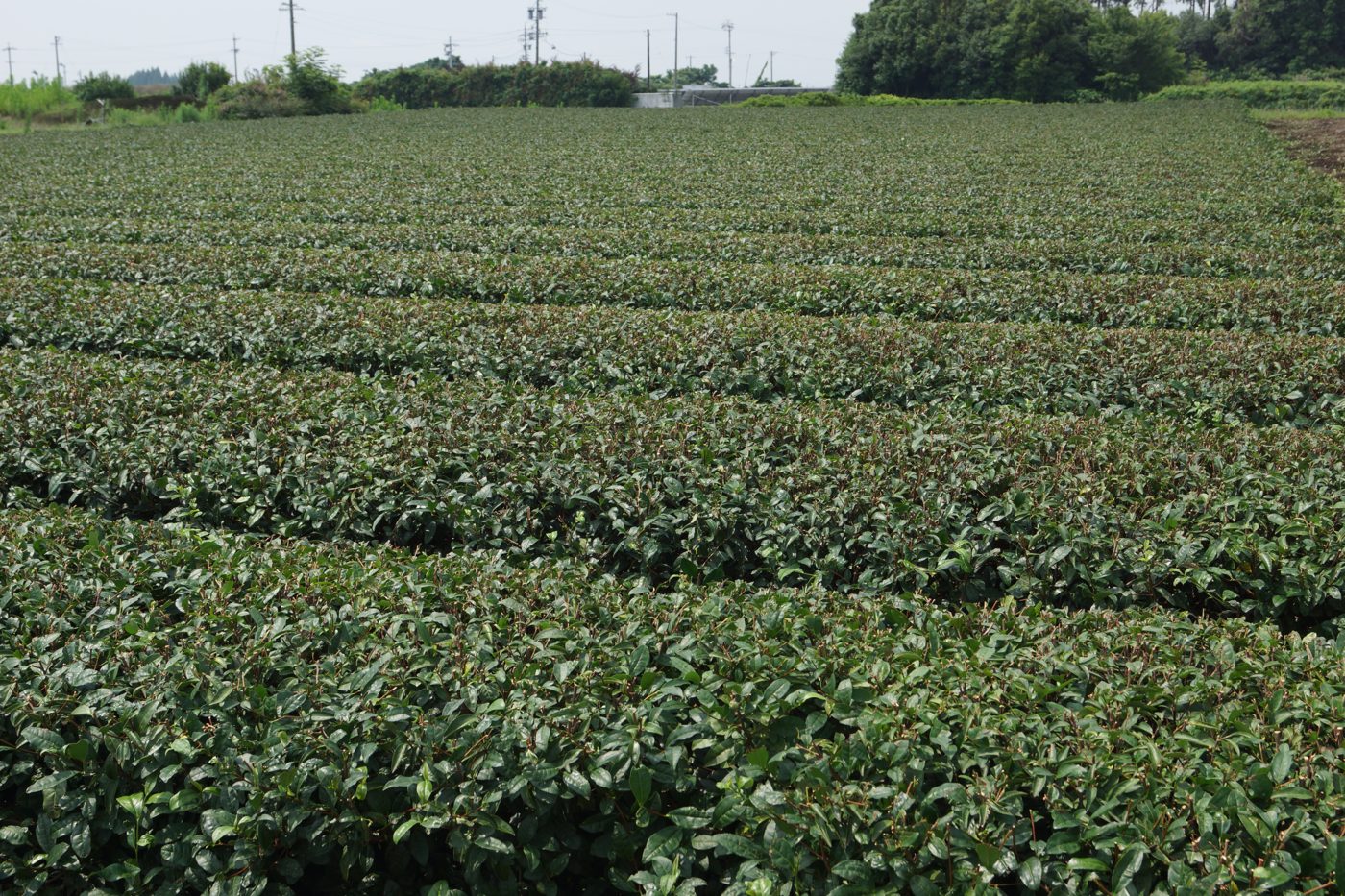
Good Agricultural Practice standards set out how farms should manage risks to food safety, the environment, and workers. Certification means an independent auditor has checked the farm against a published standard. For tea, this includes control of pesticides and fertilizers, hygiene in handling, traceability, record-keeping, and worker safety.
ASIAGAP and JGAP
The Japan GAP Foundation operates two standards. JGAP is Japan's standard GAP certification. ASIAGAP was built on JGAP with additional requirements to meet GFSI benchmarking, and was positioned as a premium, export-oriented standard. Both cover fruits and vegetables, grains, and tea.
What changed in 2025?
In 2025 the Japan GAP Foundation decided to withdraw ASIAGAP from GFSI recognition, effective June 27, 2025, and to phase out the ASIAGAP program, with operations ending in 2028. The Foundation explained that demand for GFSI-recognized farm certification was limited and that the global focus of agricultural certification has shifted toward sustainability. It is concentrating on JGAP and JGAP+SA, an add-on covering sustainability topics.
According to GFSI, ASIAGAP certificates issued before June 27, 2025 remain GFSI-recognized until their expiry date, while certificates issued on or after that date are valid ASIAGAP certificates but are not GFSI-recognized.
Why does it still matter to matcha buyers?
- Evidence of farm management: An ASIAGAP or JGAP certificate shows that a farm's practices, including pesticide use and traceability, have been independently audited.
- Support for import programs: Documentation from certified farms can support your supplier evaluation under programs such as the US FSVP.
- Due diligence: For retailers and brands, certification is a useful element of supplier approval.
If your own customers specifically require GFSI-recognized certification, check the certificate's issue date and discuss alternatives with your supplier.
Questions to ask your supplier
- Which certification do the farm and factory hold: ASIAGAP, JGAP, or JGAP+SA?
- What are the certificate issue and expiry dates, and what is the scope (crop, sites)?
- Is the certificate GFSI-recognized under the transition rules?
- What is the plan for transitioning to JGAP or JGAP+SA?
- Can you share the certificate and recent audit summary?
Our certification
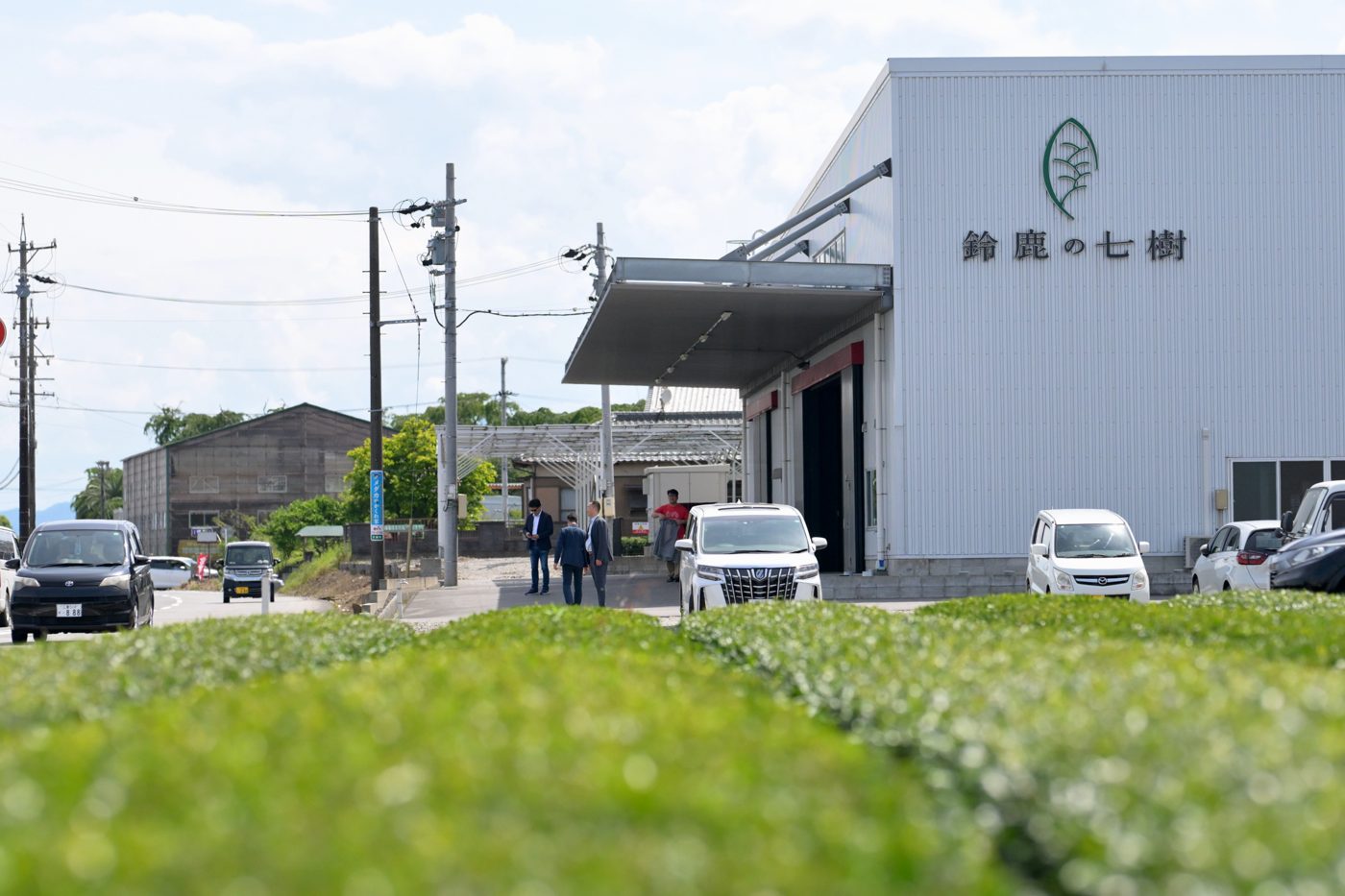
The farm and factory that produce Origin Leaf Japan's matcha are ASIAGAP-certified. We can share certificate details, including scope and dates, with wholesale buyers on request, along with our transition plan as the program moves to JGAP.
Frequently asked questions
Q: Is ASIAGAP still valid?
A: Yes, existing certificates remain valid until they expire, and the program is scheduled to run until 2028. GFSI recognition applies only to certificates issued before June 27, 2025.
Q: Is ASIAGAP the same as organic certification?
A: No. GAP certification covers farm management practices, including the controlled use of agricultural chemicals. Organic certification, such as Organic JAS, is a separate standard.
Q: What is JGAP+SA?
A: An add-on to JGAP covering sustainability topics, introduced by the Japan GAP Foundation as part of its focus on sustainable agriculture.
Sources and further reading: Japan GAP Foundation, "Phase-out of ASIAGAP and Consolidation into JGAP" (2025); GFSI, "Japan GAP Foundation Withdraws from GFSI Recognition" (2025).
Serving matcha in your café or building a matcha brand? Origin Leaf Japan supplies first-flush, single-origin matcha from Suzuka, Mie, to cafés, retailers, distributors and food manufacturers, milled to order with a 5 kg minimum, 1 kg packs, and delivery in as little as 10 days. Request a quote or samples →
MORE IN H
Wholesale Sourcing and Compliance
- 44 Importing Matcha into the UK and EU: Pesticide Limits and Documentation
- 43 Importing Matcha into the US: FDA Registration, FSVP and Prior Notice Explained
- 42 What Drives Wholesale Matcha Prices and Supply
- 41 How to Evaluate Matcha Samples Before Your First Order