Importing Matcha into the US: FDA Registration, FSVP and Prior Notice Explained

Short answer: Matcha is regulated as a food in the United States. Three FDA requirements matter most: the foreign facility that manufactures or packs the matcha must be registered with the FDA; each shipment needs prior notice submitted to the FDA before it arrives; and the US importer must have a Foreign Supplier Verification Program (FSVP) for the food and supplier. Customs duties and labeling rules also apply. This article explains each in plain language; it is general information, not legal advice.
Key takeaways
- The manufacturing or packing facility must hold a valid FDA food facility registration, renewed every two years.
- Prior notice must be filed for each commercial food shipment before arrival.
- The FSVP importer, usually the US owner or consignee, must verify that the foreign supplier produces safe food.
- Very small importers may qualify for modified FSVP requirements.
- Tariff treatment has changed several times since 2025; confirm current rates and the correct HTS code with a licensed customs broker.
1. FDA food facility registration
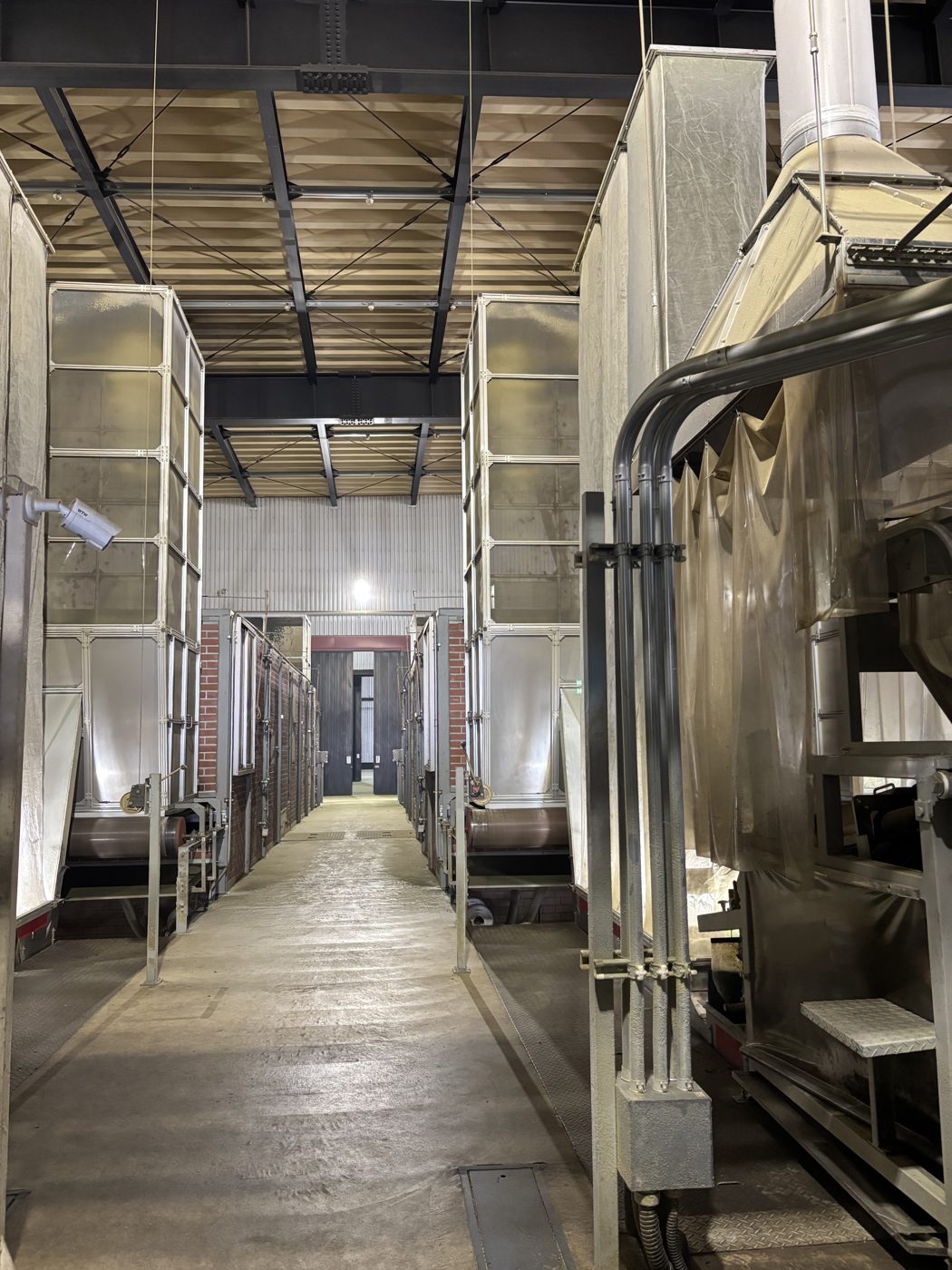
Under the Federal Food, Drug, and Cosmetic Act, facilities that manufacture, process, pack, or hold food for US consumption must register with the FDA. Foreign facilities must also designate a US agent. Registrations must be renewed in each even-numbered year, between October 1 and December 31, so 2026 is a renewal year. Buyers should confirm that their supplier's milling and packing facility is currently registered.
2. Prior notice
The FDA requires advance notice of imported food shipments so it can target inspections. Prior notice is submitted electronically, typically by the customs broker through US Customs and Border Protection's systems or directly through the FDA's Prior Notice System Interface, within set time windows before arrival. The deadline depends on the mode of transport. Shipments without valid prior notice can be refused or held.
3. The Foreign Supplier Verification Program (FSVP)
FSVP is part of the Food Safety Modernization Act (FSMA). It requires the FSVP importer to verify that each foreign supplier produces food that meets US safety standards. Key points:
- Who is the FSVP importer? Generally the US owner or consignee of the food at entry. If there is none, it is the US agent or representative of the foreign owner. A customs broker is not normally the FSVP importer.
- What must the importer do? Conduct a hazard analysis, evaluate the supplier, perform verification activities, take corrective actions when needed, and keep records available for FDA review.
- Identification at entry: The FSVP importer must be identified for each line of entry, using a recognized unique facility identifier such as a DUNS number.
- Modified requirements: Very small importers, broadly those with average annual human food sales below about $1 million over the previous three years, can follow simplified requirements, such as obtaining written assurances from the supplier.
The FDA actively inspects importers and has issued warning letters for missing FSVPs, and non-compliant importers can be placed on an import alert. Treat FSVP as a core part of your import plan.
4. Labeling
If matcha will be sold to consumers in retail packaging, the label must meet FDA requirements, including the statement of identity, net quantity, ingredient list, the name and place of business of the manufacturer, packer, or distributor, and allergen and nutrition information where applicable. Customs also requires country-of-origin marking. Avoid disease or health claims, which are tightly regulated.
5. Customs and duties

Tea is classified under Harmonized Tariff Schedule heading 0902. The precise subheading matters: for example, flavored and unflavored green tea are classified differently. US tariff policy on Japanese goods changed several times during 2025 and 2026, so confirm the current duty treatment and classification with a licensed customs broker before each pricing decision.
A practical import checklist
- Confirm your supplier's FDA facility registration is current.
- Decide who will act as FSVP importer and prepare the FSVP.
- Obtain supplier documentation: hazard analysis inputs, certifications, and test results.
- Appoint a customs broker and agree who files prior notice.
- Confirm HTS classification and current duty rates.
- Prepare compliant labels for any retail packs.
- Keep records for every shipment.
How Origin Leaf Japan supports US buyers
Our matcha is milled and packed at an FDA-registered facility, and our export documentation is prepared to support your FSVP. We work with a US agent and can coordinate with your customs broker. Tell us your import setup and we will outline what we can provide.
Frequently asked questions
Q: Do I need an FSVP to import small quantities of matcha for my café?
A: If you are the US owner or consignee of commercial food imports, FSVP generally applies, though very small importers may qualify for modified requirements. Check FDA guidance or consult a regulatory adviser.
Q: Who files prior notice?
A: Usually the customs broker or the importer, but anyone with the required information can submit it. Agree on responsibility before shipping.
Q: Does an FDA registration mean the FDA has approved the product?
A: No. Registration means the facility is listed with the FDA. It is not a product approval or endorsement.
Sources and further reading: US FDA, FSMA Final Rule on Foreign Supplier Verification Programs; FDA Food Facility Registration; FDA Prior Notice of Imported Foods; FDA Import Alert 99-41; US International Trade Commission, Harmonized Tariff Schedule.
Serving matcha in your café or building a matcha brand? Origin Leaf Japan supplies first-flush, single-origin matcha from Suzuka, Mie, to cafés, retailers, distributors and food manufacturers, milled to order with a 5 kg minimum, 1 kg packs, and delivery in as little as 10 days. Request a quote or samples →
MORE IN H
Wholesale Sourcing and Compliance
- 45 What Is ASIAGAP, and Why Should Matcha Buyers Care?
- 44 Importing Matcha into the UK and EU: Pesticide Limits and Documentation
- 42 What Drives Wholesale Matcha Prices and Supply
- 41 How to Evaluate Matcha Samples Before Your First Order