Why Is Some Matcha $20 and Others $200?

Short answer: Matcha prices vary so much because the product inside the tin can be very different. The biggest factors are which harvest the leaves come from, how long they were shaded, the cultivar and origin, how carefully stems and veins were removed, how the tea was milled, and how fresh it is. Packaging size and brand margin then multiply the difference. Always compare price per gram, not price per tin.
Key takeaways
- Compare price per gram: a 30 g tin and a 1 kg bag cannot be compared by sticker price.
- First-flush, long-shaded tencha costs far more to produce than later-harvest leaf.
- Slow, cool milling and careful de-stemming add cost but improve texture and taste.
- Very low prices for "ceremonial" matcha often mean later harvests, blends or old stock.
- The most expensive matcha is not always the best for your use, especially in lattes and baking.
Start by comparing price per gram
Retail matcha is often sold in 20 g to 40 g tins, while culinary and wholesale matcha comes in 100 g, 500 g or 1 kg bags. A $30 tin of 30 g is $1.00 per gram, or $1,000 per kilogram. A $60 bag of 500 g is $0.12 per gram. Divide the price by the grams before judging value.
The factors that drive price
| Factor | Lower-cost matcha | Higher-cost matcha |
|---|---|---|
| Harvest | Second flush, autumn, or blends | First flush (spring) only |
| Shading | Short or none | Long, deep shading |
| Cultivar | Unspecified or mixed | Named cultivars, sometimes rare ones |
| Origin | Unspecified or multiple countries | Named region and grower |
| Leaf selection | Some stem and vein included | Careful removal of stems and veins |
| Milling | Fast, high-throughput grinding | Slow stone milling or stone-mill-inspired milling with heat control |
| Freshness | Milled long before sale | Milled close to sale |
| Packaging | Basic bags | Light-proof, nitrogen-flushed tins or bags |
Why harvest matters most
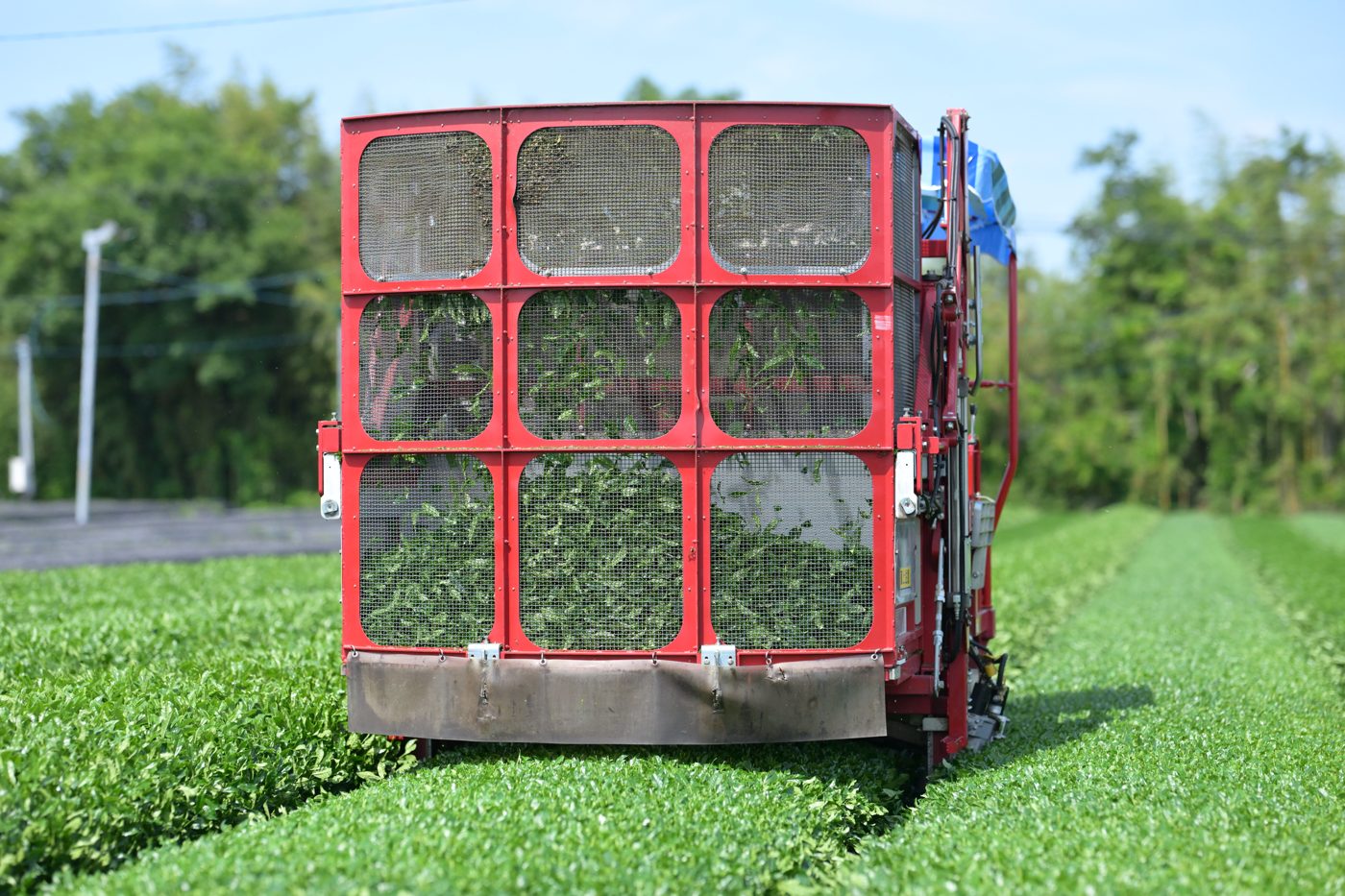
The first spring harvest produces young leaves rich in amino acids, giving sweetness and umami. Later harvests have more catechins and taste stronger and more bitter. In 2025 and 2026, demand for first-flush tencha drove its price sharply higher at Japanese tea markets, widening the gap between first-flush and later-harvest products.
Why milling adds cost
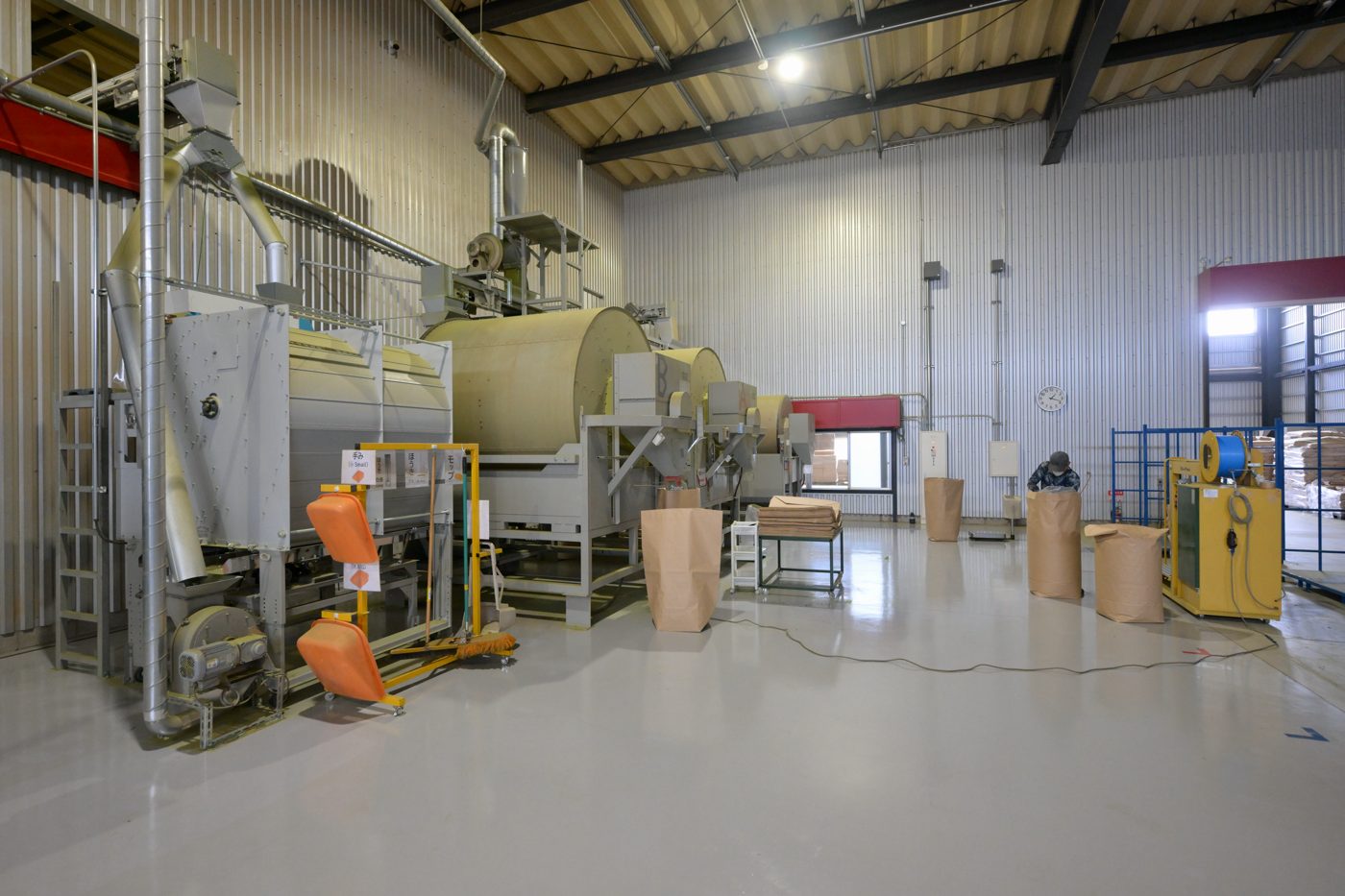
A traditional granite stone mill grinds only a few dozen grams per hour, because it must turn slowly to avoid heating the tea. That is extremely expensive in labor and equipment time. Modern mills are faster, and the best are designed to reproduce the stone mill's particle profile while controlling heat. Cheaper high-speed grinding can produce coarser or heat-damaged powder.
What you are paying for at each level
- Around $20 to $40 per 100 g (retail): Usually culinary or "latte" grade, often later harvests or blends. Fine for baking and sweetened drinks.
- Around $40 to $100 per 100 g: Often everyday drinking matcha. Quality varies widely, so check harvest and origin.
- $100 per 100 g and above: Typically first-flush, well-shaded matcha with named origin or cultivar, sometimes from a famous producer. Brand and packaging also play a role.
These ranges are illustrative and change with harvest conditions and exchange rates.
How to judge value
- Compare per gram.
- Ask for harvest, cultivar, origin and milling information.
- Match the grade to the use: drinking grade for straight matcha and lattes, culinary grade for baking.
- Taste with water before deciding.
Frequently asked questions
Q: Is expensive matcha always better?
A: Not always. Price reflects brand, packaging and scarcity as well as quality. Choose based on specifications and taste.
Q: Why is cheap "ceremonial" matcha so common?
A: Because the term is unregulated. Some products use the label for later-harvest or blended powder.
Q: Is wholesale matcha cheaper per gram?
A: Yes. Larger packs reduce packaging and handling costs, which is why cafés and brands buy in 1 kg bags.
Sources and further reading: Kyoto tea market price data as reported by industry sources (2026); JETRO market report on matcha (2026).
Serving matcha in your café or building a matcha brand? Origin Leaf Japan supplies first-flush, single-origin matcha from Suzuka, Mie, to cafés, retailers, distributors and food manufacturers, milled to order with a 5 kg minimum, 1 kg packs, and delivery in as little as 10 days. Request a quote or samples →
MORE IN A
Matcha Fundamentals
- 09 How to Store Matcha to Protect Its Flavor and Color
- 08 Freshly Ground Matcha: Why Freshness Matters More Than You Think
- 07 How to Spot High-Quality Matcha Before You Buy
- 05 First Harvest vs. Second Harvest Matcha: What's the Difference?