Freshly Ground Matcha: Why Freshness Matters More Than You Think

Short answer: Matcha is a very fine powder with a huge surface area, so once tencha is milled it is exposed to oxygen, light, heat, and moisture that degrade its color, aroma, and taste. Fresh matcha is vivid green and fragrant; old matcha turns dull and tastes flat or bitter. Milling closer to the time of use, airtight light-proof packaging, and cool, dry storage are the most effective ways to protect quality.
Key takeaways
- Tencha (the dried leaf) is more stable than matcha powder; milling turns a stable product into a perishable one.
- The four enemies of matcha are oxygen, light, heat, and humidity.
- Unopened matcha keeps best cold and sealed; opened matcha is best used within a few weeks.
- Milling to order shortens the time between grinding and use, preserving color and aroma.
What happens to matcha after milling?
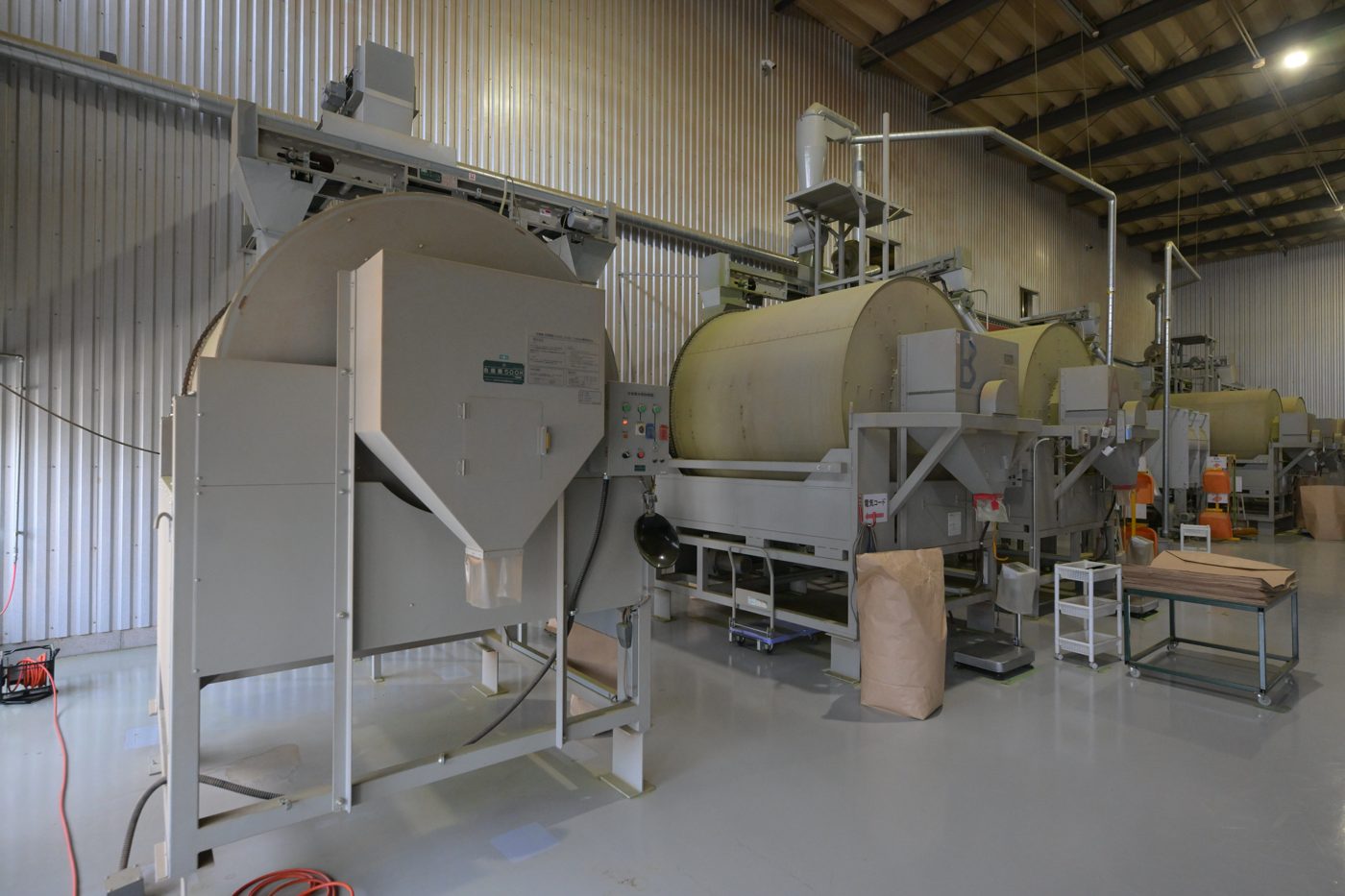
Milling breaks tencha into particles measured in microns. That dramatically increases the surface area exposed to air. Chlorophyll, which gives matcha its green color, breaks down with light and oxidation, shifting the color toward olive and brown. Volatile aroma compounds dissipate, and the balance of flavor shifts as the fresh, sweet notes fade. Heat and humidity speed up all of these changes.
How long does matcha stay fresh?
Best-before dates are set by each producer and vary, often from several months to about a year for unopened, properly packed matcha. Best-before is not the same as best-quality, however: flavor and color are at their peak soon after milling and decline gradually even in sealed packaging. Once a package is opened, most professionals aim to use it within a few weeks.
Why "milled to order" makes a difference
Many supply chains mill large batches and hold powder in inventory for months before it is shipped and sold. Storing tea as tencha and milling after an order is confirmed shortens the window between milling and use. For a café or brand, that means more of the matcha's original color and aroma reaches the cup. Origin Leaf Japan mills after your order is placed and ships in as little as 10 days, depending on destination, volume, and customs clearance.
Keeping it fresh after delivery
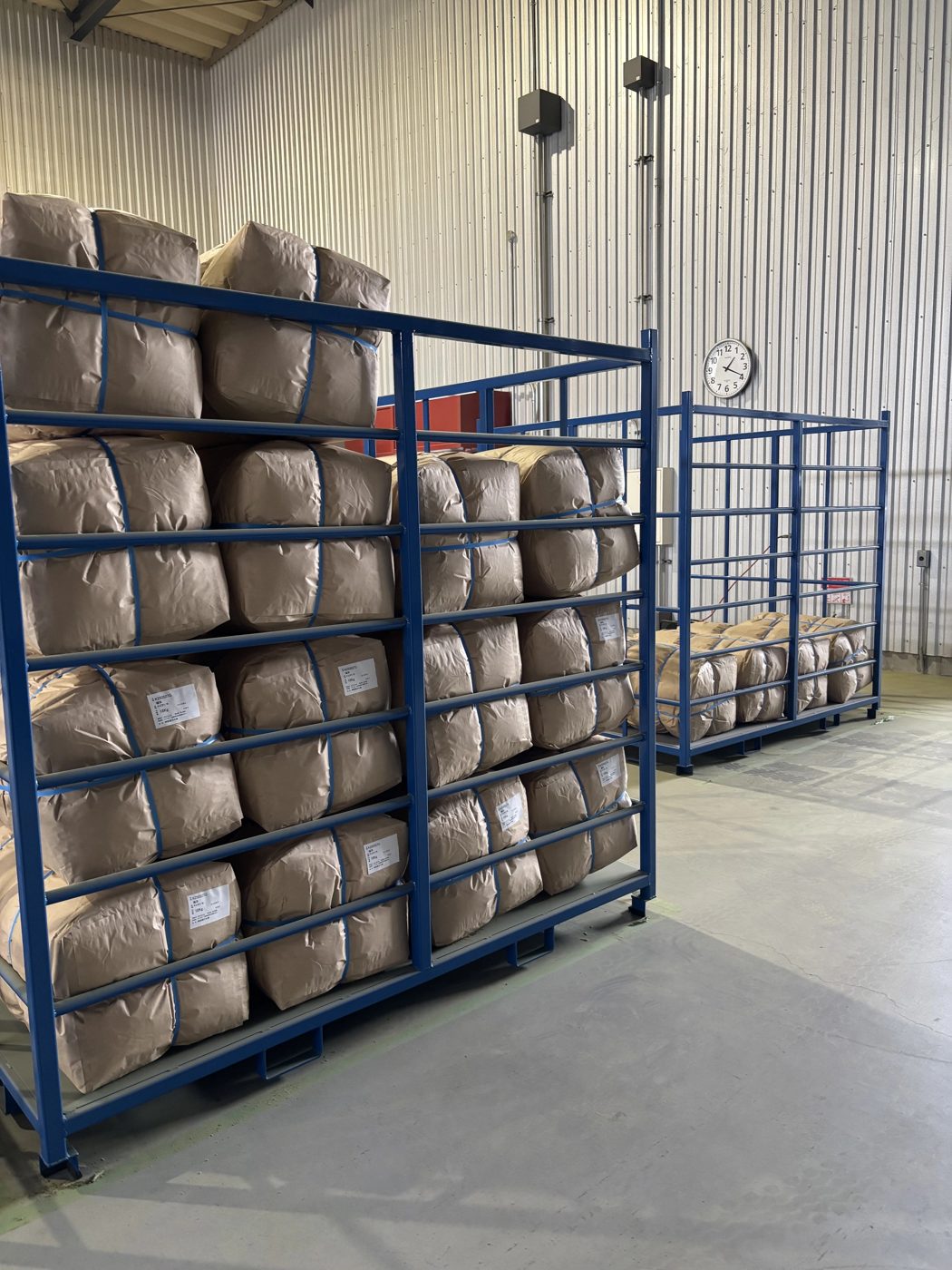
Freshness at delivery only helps if storage protects it. In short: keep matcha sealed, cold, dark and dry, bring cold packs to room temperature before opening to avoid condensation, and use opened matcha within a few weeks. Our separate guide, How to Store Matcha to Protect Its Flavor and Color, covers home and café storage step by step.
Signs your matcha is past its best
- Color has shifted from vivid green to olive, yellowish, or brownish.
- Aroma is weak, dusty, or hay-like.
- Taste is flat or more bitter than usual.
- Powder is clumped from moisture.
Frequently asked questions
Q: Should matcha be refrigerated?
A: Unopened matcha keeps well refrigerated. The key is to prevent condensation by letting it warm up before opening.
Q: Does matcha expire?
A: It does not usually become unsafe quickly when stored dry, but its quality declines. Follow the producer's best-before date and use opened packs promptly.
Q: Why is 1 kg packaging common for wholesale?
A: It balances efficient handling with limiting how much powder is exposed once a pack is opened. Busy cafés can use a 1 kg pack within a reasonable time.
Sources and further reading: Global Japanese Tea Association storage guidance; producer best-before practices.
Serving matcha in your café or building a matcha brand? Origin Leaf Japan supplies first-flush, single-origin matcha from Suzuka, Mie, to cafés, retailers, distributors and food manufacturers, milled to order with a 5 kg minimum, 1 kg packs, and delivery in as little as 10 days. Request a quote or samples →
MORE IN A
Matcha Fundamentals
- 09 How to Store Matcha to Protect Its Flavor and Color
- 07 How to Spot High-Quality Matcha Before You Buy
- 06 Why Is Some Matcha $20 and Others $200?
- 05 First Harvest vs. Second Harvest Matcha: What's the Difference?