First Harvest vs. Second Harvest Matcha: What's the Difference?

Short answer: First flush matcha is made from the first tea leaves harvested in spring, known in Japanese as ichibancha. After the winter dormancy, the plant puts out tender new shoots that contain more amino acids, including L-theanine, and fewer bitter compounds than later harvests. The result is sweeter, greener, more aromatic matcha, which is why first-flush leaf is the benchmark for drinking-quality powder. Second-harvest (nibancha) matcha, picked in early summer, is stronger, more astringent and less expensive, and is widely used for culinary and latte grades.
Key takeaways
- "First flush" means the first spring harvest of the year, typically from late April to May in mainland Japan, depending on region and weather.
- First-flush leaves are richer in amino acids and umami; later harvests develop more catechins and bitterness.
- First-flush tencha is the scarcest and most expensive matcha raw material, and it drove the price increases of 2025 and 2026.
- Ask suppliers whether a product is 100% first flush or a blend.
What is a "flush" in tea?
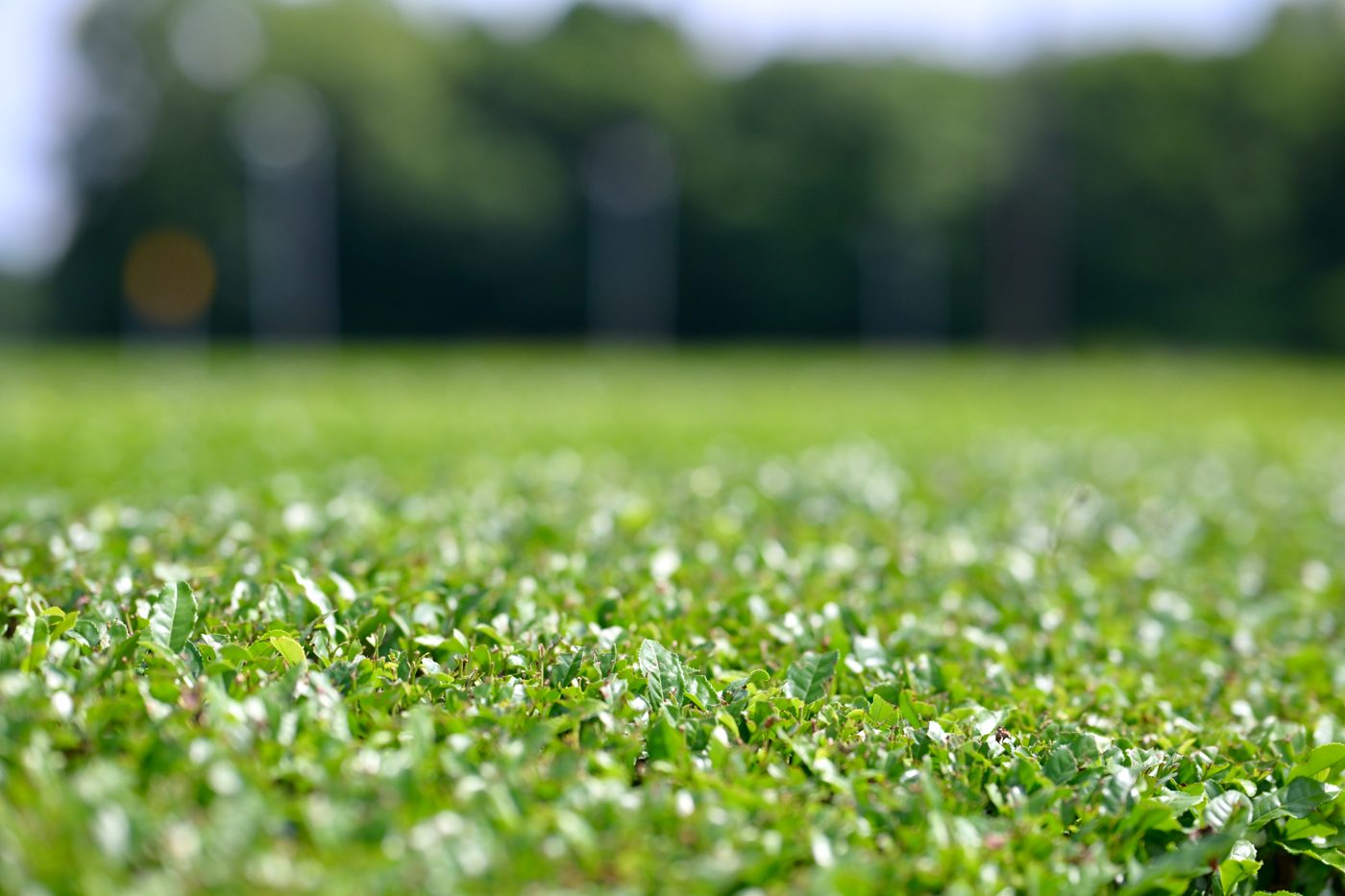
A flush is a growth cycle of new shoots. Tea plants in Japan typically produce a first flush in spring, a second flush in early summer, and sometimes a third and an autumn flush. Each harvest has a different chemistry because of the season, the temperature, and how much stored energy the plant puts into the new growth.
First harvest vs. second harvest at a glance
| First harvest (ichibancha) | Second harvest (nibancha) | |
|---|---|---|
| Timing | Late April to May | June to July |
| Leaf | Young, tender shoots after winter rest | Faster summer growth |
| Amino acids (L-theanine) | High | Lower |
| Catechins (bitterness) | Lower | Higher |
| Color as matcha | Vivid, bright green | Deeper olive or yellowish green |
| Taste | Sweet, rich umami, low bitterness | Stronger, more astringent |
| Typical use | Straight matcha, premium lattes | Culinary use, baking, blended drinks |
| Price | Highest | Lower |
Why does the first harvest taste different?
During winter, the tea plant stores nutrients in its roots. In spring, those nutrients, especially nitrogen compounds, flow into the first new shoots. That is why first-flush leaves are high in amino acids such as L-theanine, which give matcha its savory-sweet umami. As the season gets warmer and sunlight stronger, the plant converts more amino acids into catechins, the compounds behind astringency and bitterness.
Shading amplifies this effect. Tea grown for matcha is covered for several weeks before harvest, which slows the conversion and keeps the leaves dark green and rich in chlorophyll.
How does harvest timing affect color, aroma, and texture?
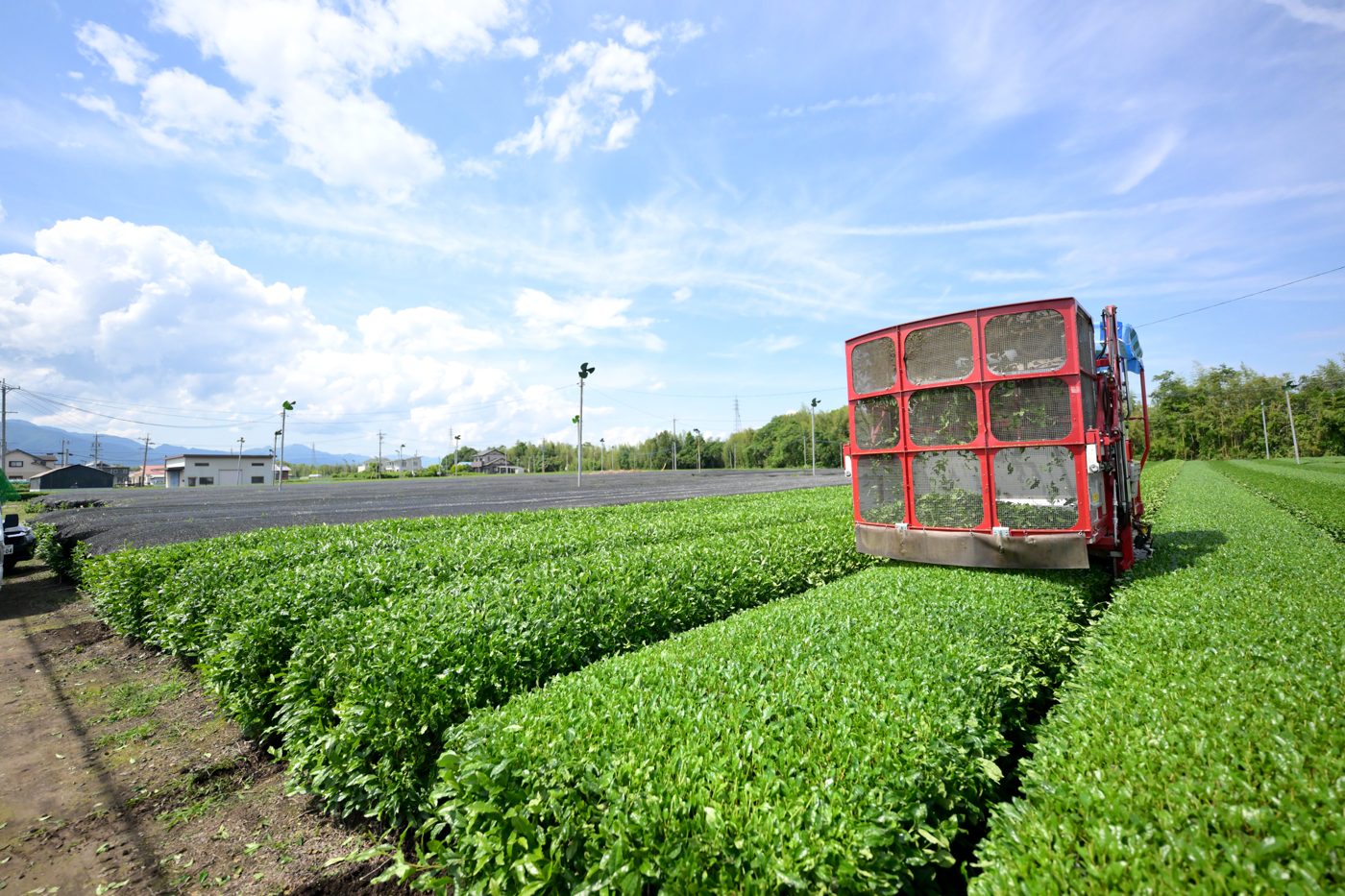
- Color: First-flush, shaded leaves give a brighter, more vivid green.
- Aroma: Spring leaves carry a fresher, more complex aroma, sometimes described as marine or "covered" (ooika) aroma from shading.
- Texture: Younger leaves are softer and mill into a smoother powder.
- Taste: Sweeter and rounder, with less lingering bitterness.
Why is first-flush matcha so expensive right now?
Global matcha demand has outpaced the supply of first-flush tencha. Trade reports citing the Kyoto tea market show first-flush tencha prices roughly tripling between 2024 and 2026, and growers have been shifting fields from sencha to tencha to keep up. Because new fields take years to reach full production, first-flush supply cannot expand quickly. For buyers, this means verifying harvest claims is more important than ever: some lower-priced "first harvest" offers may include later-harvest leaf.
How can buyers verify a first-flush claim?
- Ask directly whether the product is 100% first flush or blended with later harvests.
- Ask for the harvest year and whether the lot is from the current season.
- Evaluate color and taste against a known reference: first-flush matcha whisked in water should be bright green and only mildly bitter.
- Check price realism. If the price is far below market, ask why.
- Work with traceable, single-origin suppliers where the farm and processing facility are known.
Our approach
Origin Leaf Japan supplies first-flush matcha only. Both of our cultivars, Okumidori and Yabukita, are harvested in spring in Suzuka, Mie, processed into tencha near the fields, and milled after order. We do not blend in later harvests.
Frequently asked questions
Q: Is second-flush matcha bad?
A: No. Second-flush leaf is widely used for culinary matcha and some café grades. It is stronger and more astringent, and it costs less.
Q: When is matcha first flush harvested?
A: In most of mainland Japan, between late April and May. Exact timing depends on latitude, altitude, cultivar, and spring weather.
Q: Does first-flush matcha contain more caffeine?
A: Young shoots generally contain relatively high caffeine as well as high amino acids. Exact levels vary by cultivar and processing, so request data from your supplier if this matters for your product.
Sources and further reading: Japan Ministry of Agriculture, Forestry and Fisheries tea statistics; Kyoto tea market price data as reported by industry sources in 2026; JETRO market reports on matcha supply (2026).
Serving matcha in your café or building a matcha brand? Origin Leaf Japan supplies first-flush, single-origin matcha from Suzuka, Mie, to cafés, retailers, distributors and food manufacturers, milled to order with a 5 kg minimum, 1 kg packs, and delivery in as little as 10 days. Request a quote or samples →
MORE IN A
Matcha Fundamentals
- 09 How to Store Matcha to Protect Its Flavor and Color
- 08 Freshly Ground Matcha: Why Freshness Matters More Than You Think
- 07 How to Spot High-Quality Matcha Before You Buy
- 06 Why Is Some Matcha $20 and Others $200?