Matcha in Food Manufacturing: Heat Stability, Color Retention and Formulation Tips

Short answer: Matcha's green color comes from chlorophyll and its flavor from delicate amino acids and aroma compounds, all of which are sensitive to heat, light, oxygen, acidity, and moisture. Manufacturers can keep matcha greener and more flavorful by choosing the right grade for the process, minimizing heat exposure, protecting against light and oxygen, and testing formulations through shelf life.
Key takeaways
- Heat, light, low pH, and oxygen all degrade chlorophyll and shift matcha from green toward olive-brown.
- Higher grades give brighter color and sweeter flavor, but some of that is lost in high-heat processes.
- Add matcha as late in the process as practical and minimize temperature and time.
- Light-proof, low-oxygen packaging is essential for finished products.
- Specify matcha by measurable parameters and test each lot.
Why matcha changes color in processing
Chlorophyll is the pigment that makes matcha green. Under heat, chlorophyll can lose its central magnesium ion and convert into pheophytin, which is olive-brown. Acidic conditions speed this change, and light and oxygen degrade chlorophyll further during storage. That is why matcha baked goods often look duller than the powder, and why acidic matcha beverages can lose color quickly.
Choosing the right grade for each application
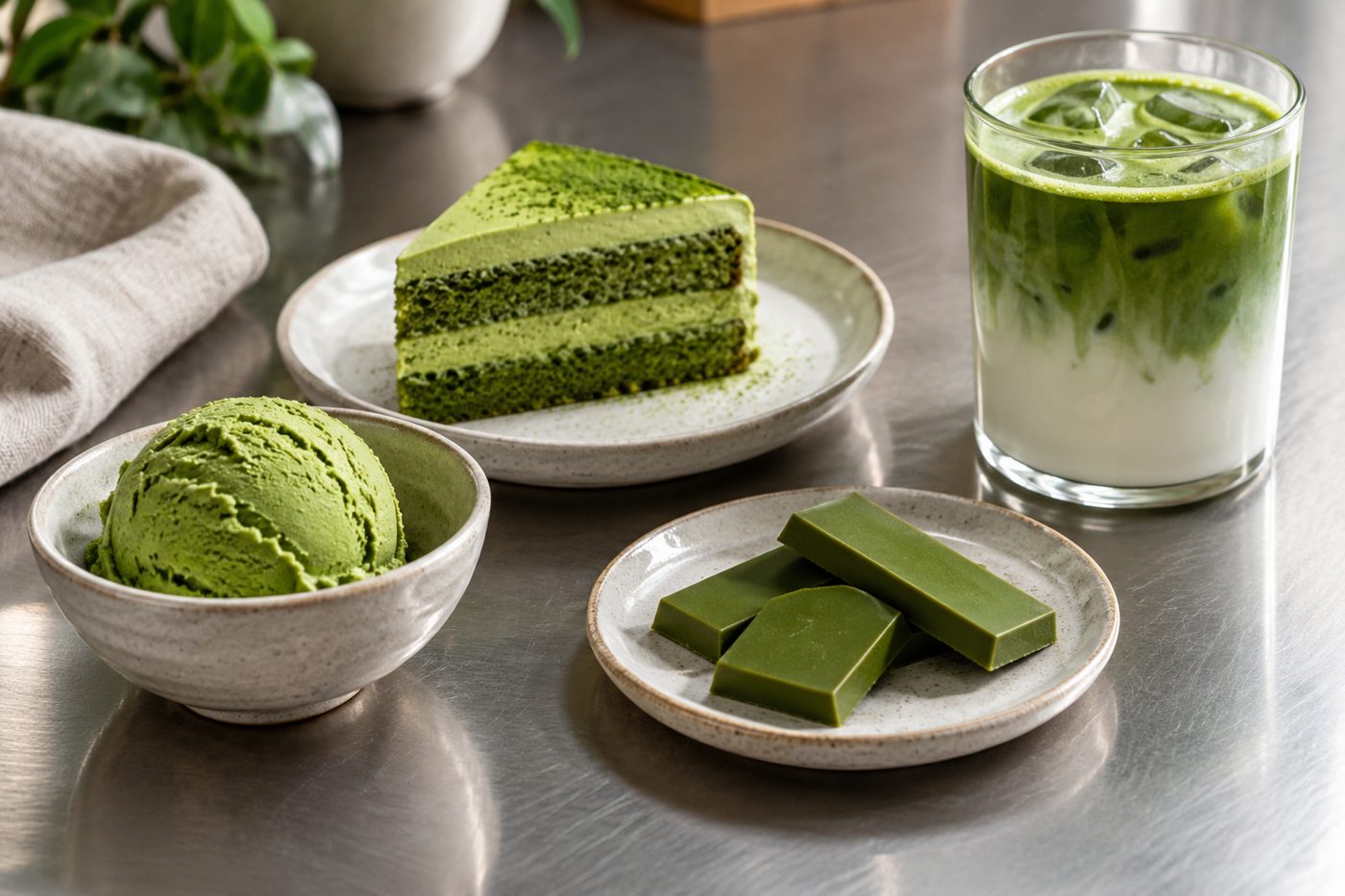
- Ice cream, chilled desserts, chocolate, and cold beverages: Little or no heat, so higher grades show their color and flavor. These products benefit most from first-flush matcha.
- Baked goods: Heat reduces color and aroma. A robust culinary grade, or a higher dose of a mid-grade, may give better value.
- Ready-to-drink beverages: Heat treatment, pH, and long shelf life are challenging. Expect extensive formulation work and stability testing.
- Confectionery coatings and fillings: Fat-based systems can protect matcha well if processing temperatures are controlled.
Formulation tips
- Add late: Introduce matcha as late as possible in heated processes.
- Lower heat, shorter time: Reduce baking or pasteurization intensity where food safety allows.
- Manage pH: Near-neutral systems retain color better than acidic ones.
- Control water activity: Lower moisture in finished products slows degradation.
- Disperse properly: Pre-blend matcha with sugar or other dry ingredients, or into fat, to avoid clumps and specks.
- Protect from light and oxygen: Use opaque, high-barrier packaging and consider nitrogen flushing.
- Test shelf life: Measure color and run sensory panels over time, not just at production.
Specifying matcha as an ingredient
Write a specification covering:
- Origin, cultivar, and harvest
- Color and sensory profile against a reference standard
- Particle texture and moisture
- Microbiological limits and pesticide residue compliance for your markets
- Packaging, storage, and best-before
- Lot traceability and certificates of analysis
Supply planning for manufacturers
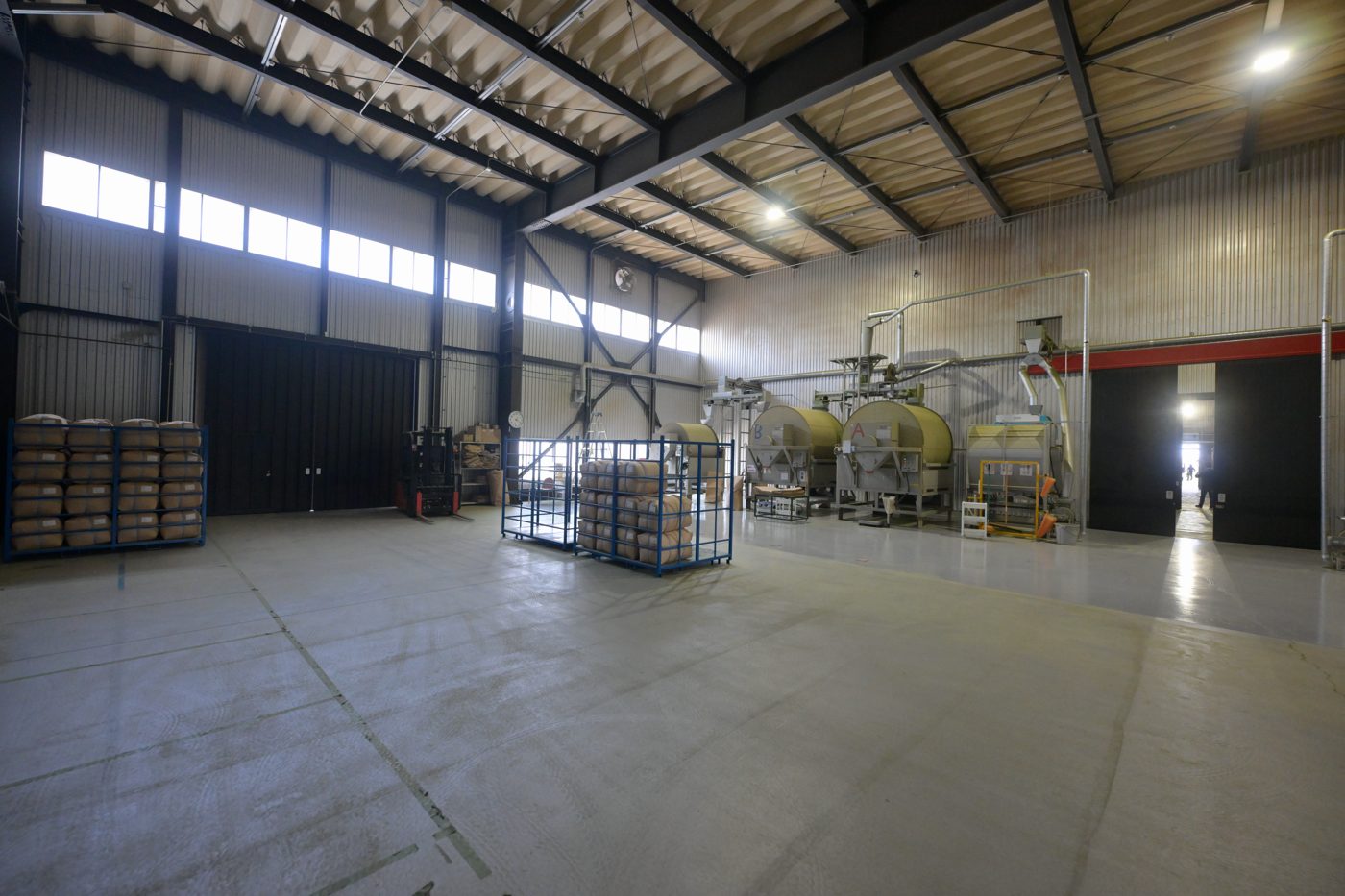
Matcha supply has been tight since 2025, especially for first-flush grades. Manufacturers should forecast annual volumes, qualify more than one grade where possible, and agree allocation with suppliers before the spring harvest.
Frequently asked questions
Q: Can I keep matcha bright green in baked goods?
A: Some color loss is unavoidable with heat. Shorter, lower-temperature baking, neutral pH, and the right grade help.
Q: Is ceremonial-style matcha worth using in manufacturing?
A: In low-heat, flavor-forward products such as premium ice cream or chocolate, yes. In high-heat products, a culinary grade often gives better value.
Q: Does Origin Leaf Japan supply manufacturers?
A: Yes. We supply first-flush, single-origin matcha for premium applications. Contact us with your application and volume to discuss fit and specifications.
Sources and further reading: Food chemistry literature on chlorophyll degradation and pheophytin formation; Origin Leaf Japan product specifications.
Serving matcha in your café or building a matcha brand? Origin Leaf Japan supplies first-flush, single-origin matcha from Suzuka, Mie, to cafés, retailers, distributors and food manufacturers, milled to order with a 5 kg minimum, 1 kg packs, and delivery in as little as 10 days. Request a quote or samples →
MORE IN G
For Cafés and Food Businesses
- 39 Launching a Private-Label Matcha Brand: Sourcing, Packaging and MOQ
- 37 Single-Origin vs. Blended Matcha: Which Is Right for Your Business?
- 36 The Café Matcha Latte Playbook: Dosing, Milk Pairing and Cost per Cup
- 35 How to Choose the Right Matcha for Your Café: Ceremonial vs. Culinary