What Most Foreigners Get Wrong About Japanese Matcha

Short answer: The most common misunderstandings about matcha outside Japan are that "ceremonial grade" is an official standard, that any green tea powder is matcha, that matcha should be made with boiling water, that only Uji produces good matcha, and that Japanese people drink matcha every day. In reality, matcha is a specific product made from shaded tencha leaves, its quality depends on harvest, cultivar, processing and freshness, and in Japan it is mostly enjoyed in the tea ceremony and in sweets.
Key takeaways
- "Ceremonial grade" is a marketing term invented in export markets, not a Japanese standard.
- True matcha is milled from tencha: shaded, steamed, unrolled, de-stemmed leaf.
- Water below boiling (around 70 to 80 °C) gives a sweeter, greener cup.
- Most Japanese households drink sencha day to day; matcha is more of an occasion.
- Matcha is perishable once milled and is best used fresh.
Myth 1: "Ceremonial grade" is an official Japanese grade
No Japanese authority defines "ceremonial grade." In Japan, matcha is described by origin, cultivar, harvest and the producer's own blend names. The English term grew up in export markets as shorthand for matcha suitable for drinking. It can be a useful signal, but it guarantees nothing about harvest, origin or freshness.
Myth 2: Any green tea powder is matcha
Matcha is made from tencha, leaves that are shaded before harvest, steamed, dried flat without rolling, and stripped of stems and veins before milling. Powder made by grinding sencha or other unshaded teas is sometimes sold as "green tea powder" or even as "matcha," but it tastes more astringent and looks duller.
Myth 3: Matcha should be made with boiling water
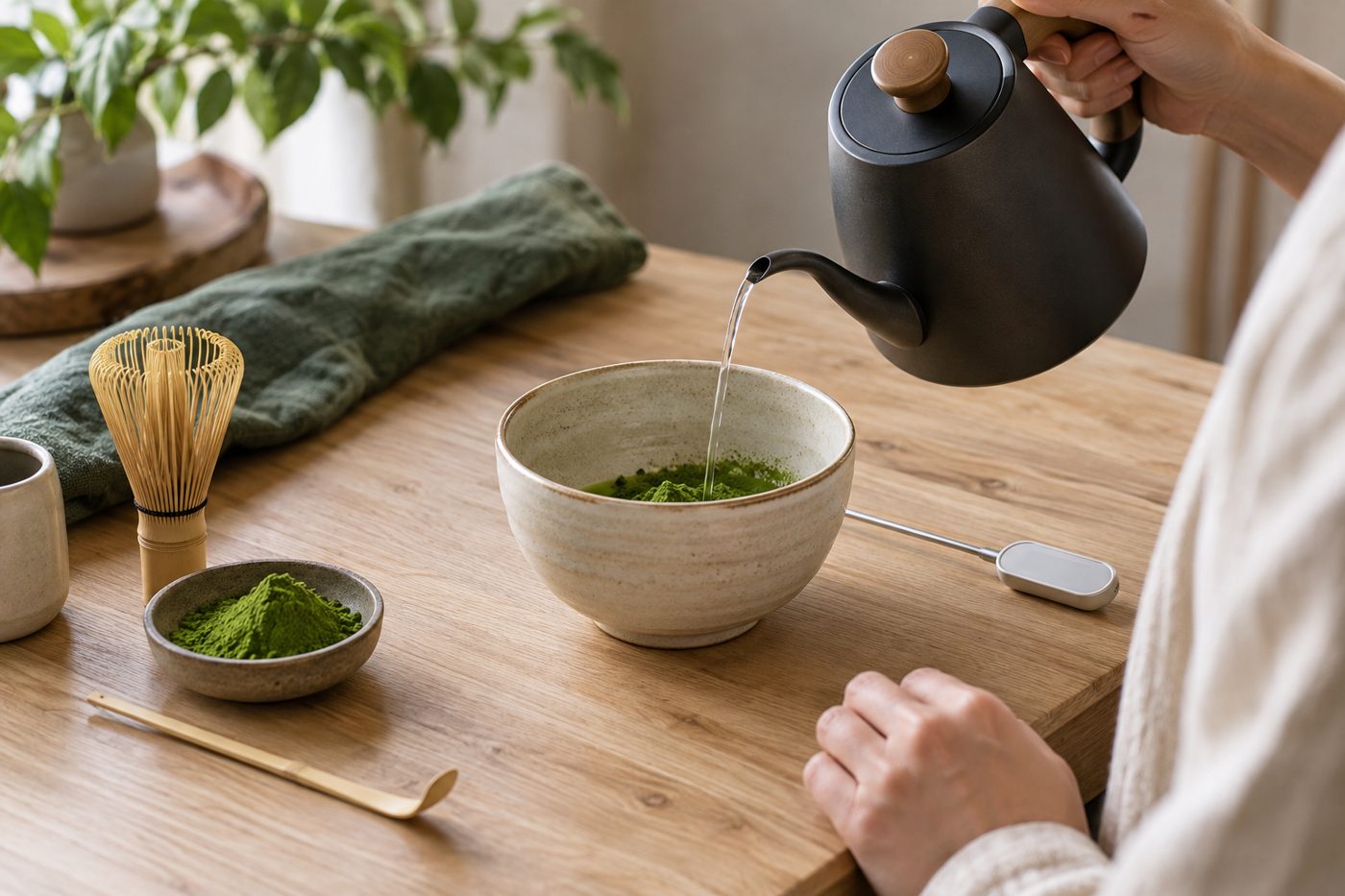
Boiling water extracts more bitterness and speeds up color loss. Most Japanese tea teachers recommend water around 70 to 80 °C (160 to 175 °F) for everyday usucha (thin tea).
Myth 4: The more bitter, the stronger and better
Good matcha should taste rich, sweet and savory, with bitterness in the background. Strong, harsh bitterness usually points to later-harvest leaf, less shading, old powder or water that is too hot.
Myth 5: Only Uji makes real matcha
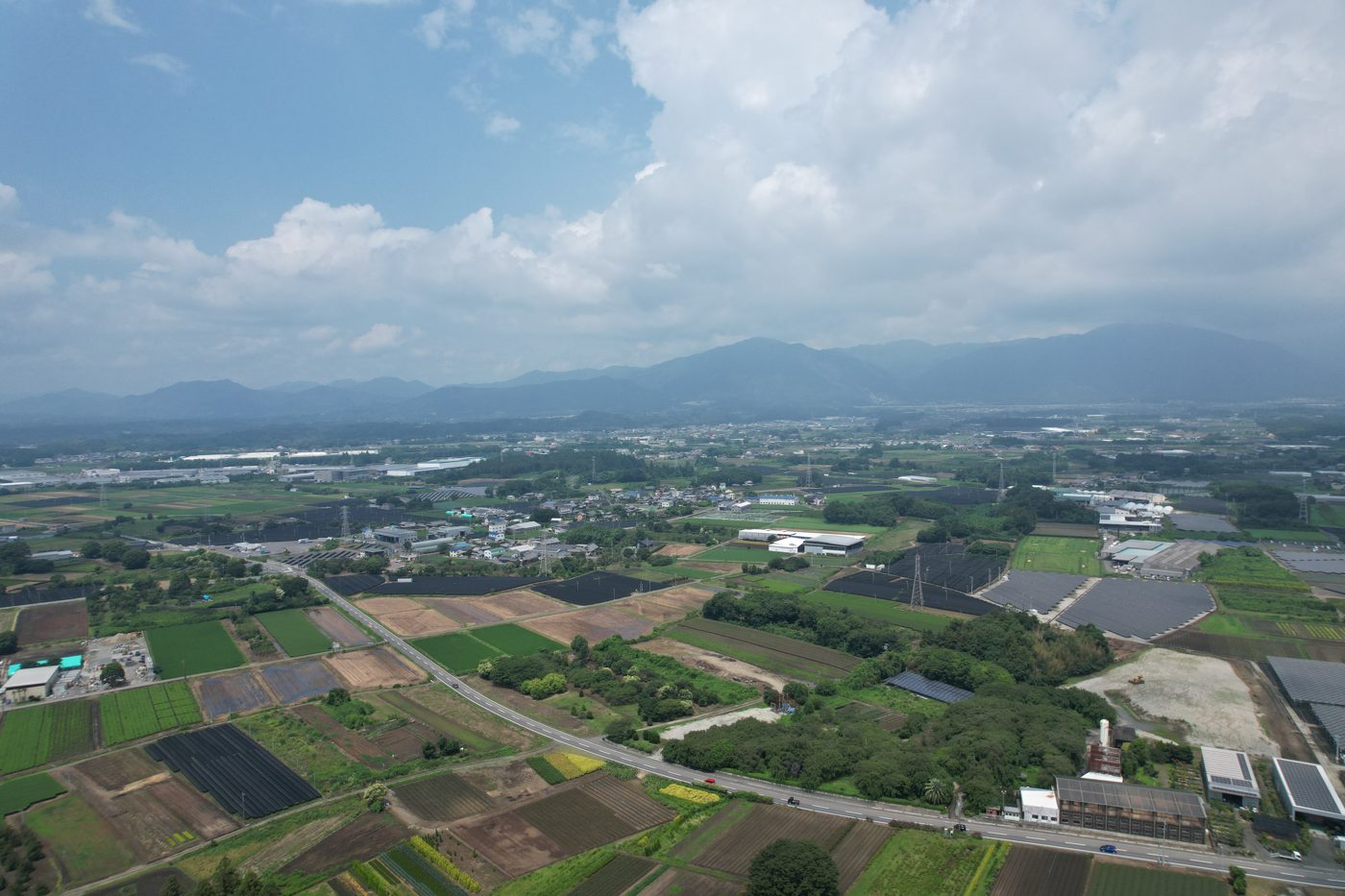
Uji in Kyoto is the historic heartland and makes superb matcha, but tencha is also produced in Nishio, Kagoshima, Shizuoka, Fukuoka and Mie. Mie, for example, is Japan's third-largest tea-producing prefecture and its leading producer of shaded kabusecha.
Myth 6: Japanese people drink matcha every day
Most everyday tea at home in Japan is sencha or other leaf teas brewed in a teapot. Matcha is associated with the tea ceremony (chanoyu), with guests, and increasingly with sweets and café drinks. Many Japanese people have never whisked matcha at home.
Myth 7: Matcha keeps for years
Tencha leaf is relatively stable, but once milled into powder, matcha begins to lose color and aroma. Opened matcha is best used within a few weeks.
Myth 8: Bright green always means top quality
Color is an important signal, but it is not proof. Combine color with aroma, taste, texture, and documentation of harvest and origin.
Myth 9: You need to whisk for a long time
A good bowl of usucha takes about 15 to 20 seconds of brisk, M- or W-shaped whisking. Technique matters more than duration. Sifting the powder first is the simplest way to avoid lumps.
Myth 10: Matcha is the same thing as "green tea latte" mix
Many sweetened mixes contain sugar, milk powder and only a small proportion of matcha. Pure matcha is a single-ingredient product.
Frequently asked questions
Q: Do Japanese people put milk in matcha?
A: Traditionally no, but matcha lattes and sweets are now very popular in Japan, especially among younger people.
Q: Is matcha from China the same as Japanese matcha?
A: China also produces powdered tea and some matcha, but cultivars, shading and processing differ. Check origin and specifications rather than the name alone.
Q: What is the single most important thing to get right?
A: Freshness and water temperature. Fresh, properly stored matcha whisked with water below boiling solves most taste problems.
Sources and further reading: Japan Ministry of Agriculture, Forestry and Fisheries, "Ise Cha"; Global Japanese Tea Association.
Serving matcha in your café or building a matcha brand? Origin Leaf Japan supplies first-flush, single-origin matcha from Suzuka, Mie, to cafés, retailers, distributors and food manufacturers, milled to order with a 5 kg minimum, 1 kg packs, and delivery in as little as 10 days. Request a quote or samples →
MORE IN A
Matcha Fundamentals
- 09 How to Store Matcha to Protect Its Flavor and Color
- 08 Freshly Ground Matcha: Why Freshness Matters More Than You Think
- 07 How to Spot High-Quality Matcha Before You Buy
- 06 Why Is Some Matcha $20 and Others $200?