Matcha vs. Coffee: Which One Is Better for You?

Note: This article is for general information only and is not medical advice. If you have a health condition, are pregnant, or take medication, consult a qualified healthcare professional.
Short answer: Neither matcha nor coffee is universally "better." Both are among the most studied beverages in nutrition science, and both are associated with health benefits in observational research when consumed in moderation. Matcha typically delivers less caffeine per serving plus L-theanine and catechins; coffee delivers more caffeine and its own polyphenols. The better choice depends on how you respond to caffeine, what you add to the cup, and what you enjoy.
Key takeaways
- A 2 g serving of matcha has about 64 mg of caffeine; an 8 oz cup of brewed coffee has about 80 to 100 mg.
- Matcha contains L-theanine and catechins such as EGCG; coffee contains chlorogenic acids.
- Many people find matcha's energy calmer; evidence for this is promising but limited.
- Large observational studies link moderate intake of both green tea and coffee with lower mortality, but they cannot prove cause and effect.
- Sugar and syrups often matter more to health than the matcha-versus-coffee choice.
Side-by-side comparison
| Matcha (2 g serving) | Brewed coffee (8 oz / 240 ml) | |
|---|---|---|
| Caffeine | about 64 mg | about 80 to 100 mg |
| L-theanine | Present, especially in shaded first-flush tea | None |
| Main polyphenols | Catechins, especially EGCG | Chlorogenic acids |
| Typical feel | Steadier alertness reported by many | Faster, stronger stimulation |
| Acidity | Low | Higher; some people experience stomach discomfort |
| Preparation | Whisked powder, whole leaf consumed | Brewed extract |
Energy and focus
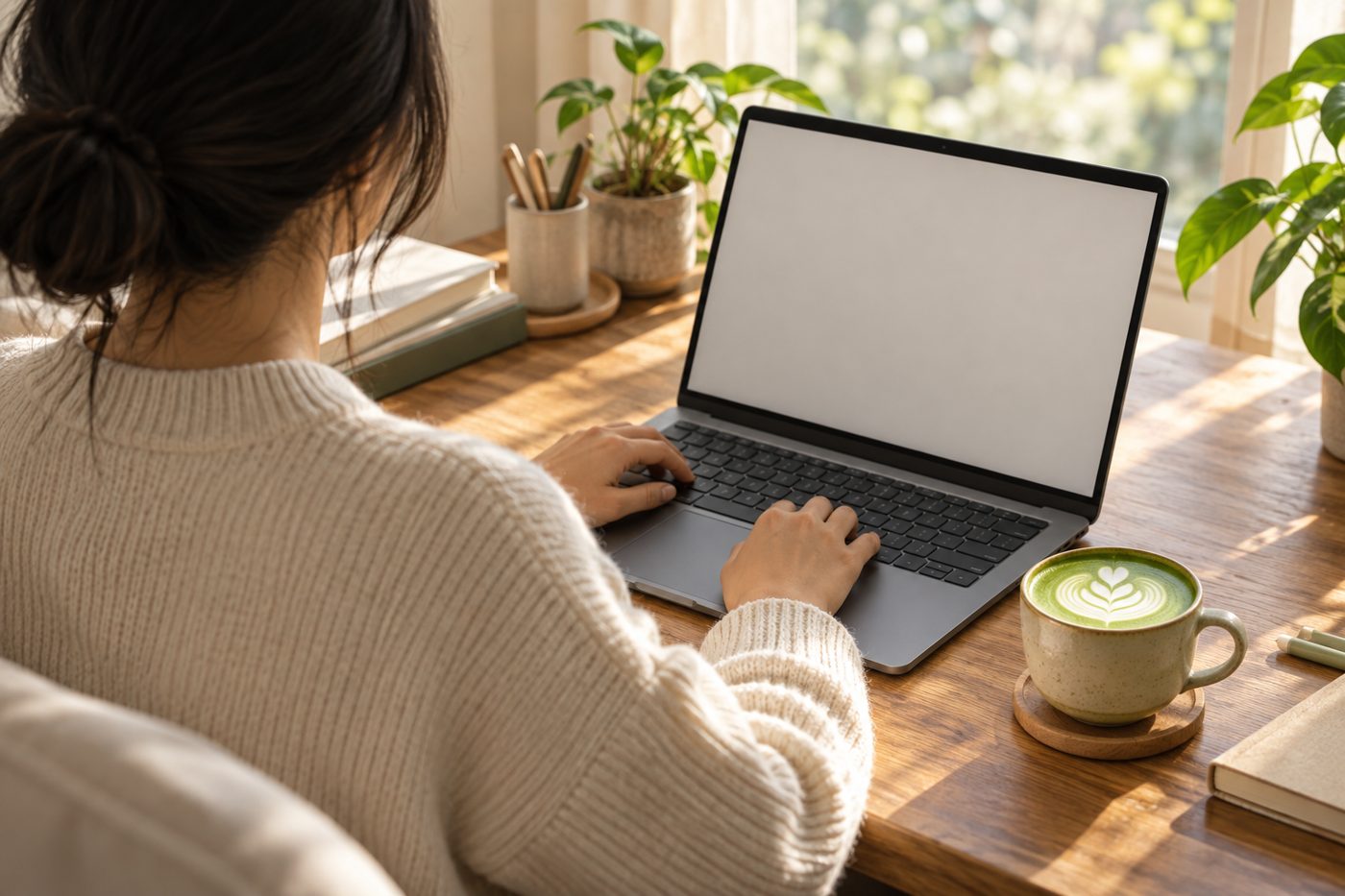
Caffeine is the main driver of alertness in both drinks. Matcha adds L-theanine, which studies suggest may promote relaxation without drowsiness and, combined with caffeine, may support attention. However, many studies use doses larger than a typical cup, and results vary.
Long-term health associations
Large cohort studies have associated both green tea and coffee consumption with lower all-cause mortality. For example, a study of over 40,000 adults in Ohsaki, Japan, published in JAMA in 2006, found that people who drank more green tea had lower mortality, particularly from cardiovascular disease. These are observational findings: people who drink tea or coffee may differ in other ways, so the results do not prove that either drink causes better health.
Things to watch
- Caffeine sensitivity and sleep: Both can disrupt sleep if consumed late.
- Added sugar: Sweetened matcha lattes and flavored coffees can contain significant sugar.
- Iron absorption: Tea catechins can reduce absorption of non-heme iron from plant foods; drinking tea between meals can help if this is a concern.
- Medications: Green tea contains vitamin K and other compounds that can interact with certain medications, such as warfarin. Ask a healthcare professional.
How to choose
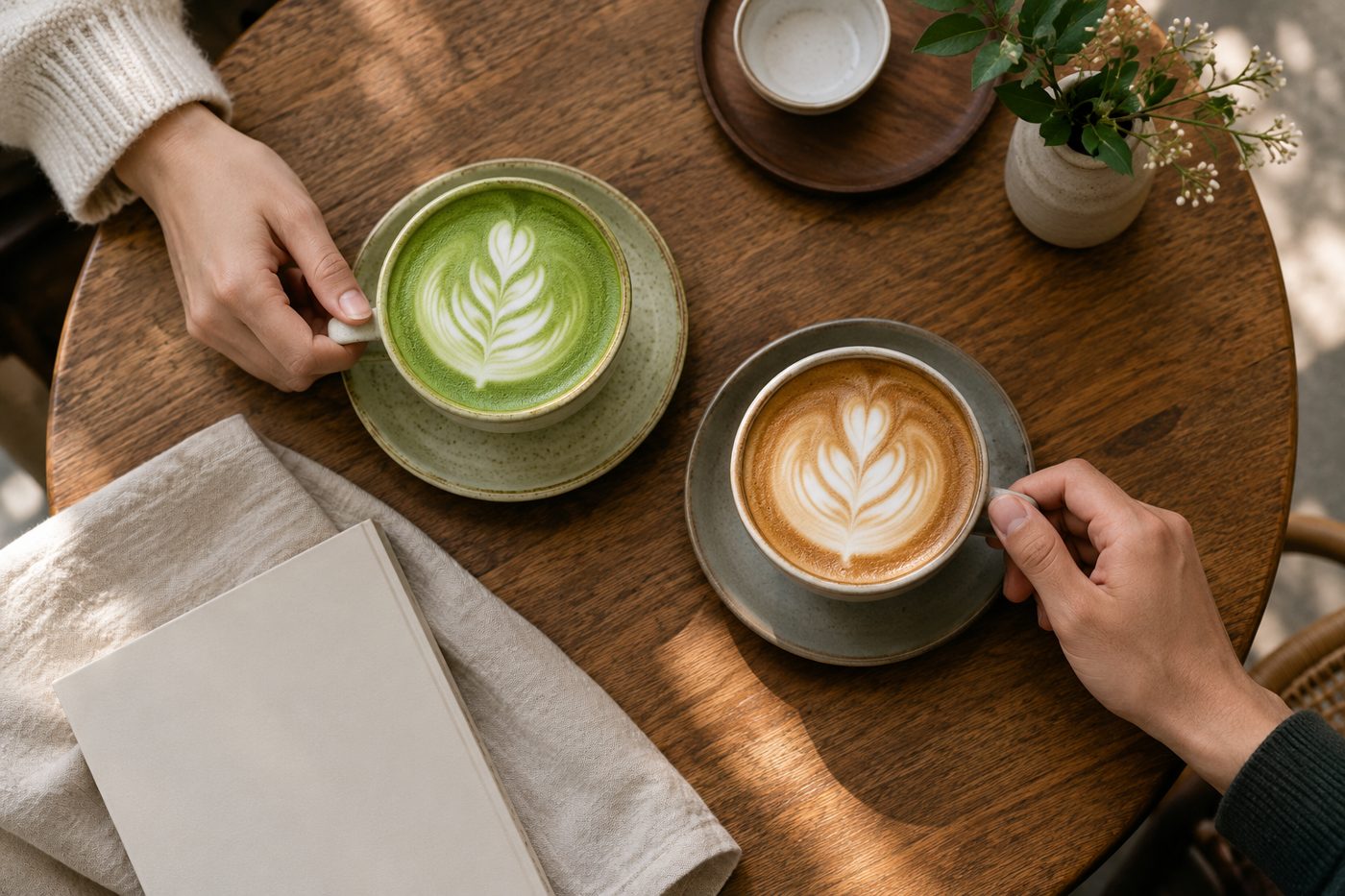
- If coffee makes you jittery or affects your stomach, matcha may suit you better.
- If you want a strong, quick caffeine hit, coffee delivers more per cup.
- If you enjoy both, there is no need to choose: many people drink coffee in the morning and matcha in the afternoon.
Frequently asked questions
Q: Can I replace coffee with matcha?
A: Many people do. Start with a 2 to 3 g serving and adjust to your preference.
Q: Is matcha better for anxiety than coffee?
A: Some people find matcha gentler, possibly because of lower caffeine and the presence of L-theanine, but responses vary. Consult a professional if anxiety is a concern.
Q: Which has more antioxidants?
A: Both are rich in polyphenols of different types. Direct comparisons depend on the specific product and serving size.
Sources and further reading: Kuriyama S. et al., "Green Tea Consumption and Mortality Due to Cardiovascular Disease, Cancer, and All Causes in Japan: The Ohsaki Study," JAMA (2006); US FDA caffeine guidance; Standard Tables of Food Composition in Japan (2020).
Serving matcha in your café or building a matcha brand? Origin Leaf Japan supplies first-flush, single-origin matcha from Suzuka, Mie, to cafés, retailers, distributors and food manufacturers, milled to order with a 5 kg minimum, 1 kg packs, and delivery in as little as 10 days. Request a quote or samples →
MORE IN E
Health and Science
- 30 Green Tea and Cancer: What the Research Actually Shows
- 29 Does Matcha Really Help with Weight Loss?
- 28 What Happens When You Drink Matcha Every Day?
- 27 The Science Behind Matcha and Calm Focus