What Happens When You Drink Matcha Every Day?

Note: This article is for general information only and is not medical advice. If you have a health condition, are pregnant, or take medication, consult a qualified healthcare professional.
Short answer: For most healthy adults, a daily serving or two of matcha is a reasonable part of a balanced diet. You will get caffeine, L-theanine and catechins such as EGCG. Large Japanese studies associate regular green tea drinking with lower mortality, particularly from cardiovascular disease, though they cannot prove cause and effect. Possible downsides include caffeine-related sleep problems, reduced iron absorption if taken with meals, and interactions with some medications. Very high doses of concentrated green tea extracts, not normal matcha drinking, have been linked to liver problems.
Key takeaways
- One to two servings (2 to 4 g) a day provides roughly 64 to 130 mg of caffeine.
- Matcha delivers the whole leaf, so you consume more catechins than from brewed green tea.
- Observational studies link green tea with lower all-cause and cardiovascular mortality.
- Drink matcha between meals if you are concerned about iron absorption.
- EFSA found that EGCG intakes of 800 mg per day or more from supplements may raise liver enzymes; this applies to concentrated extracts, not typical matcha servings.
What your body gets from a daily cup
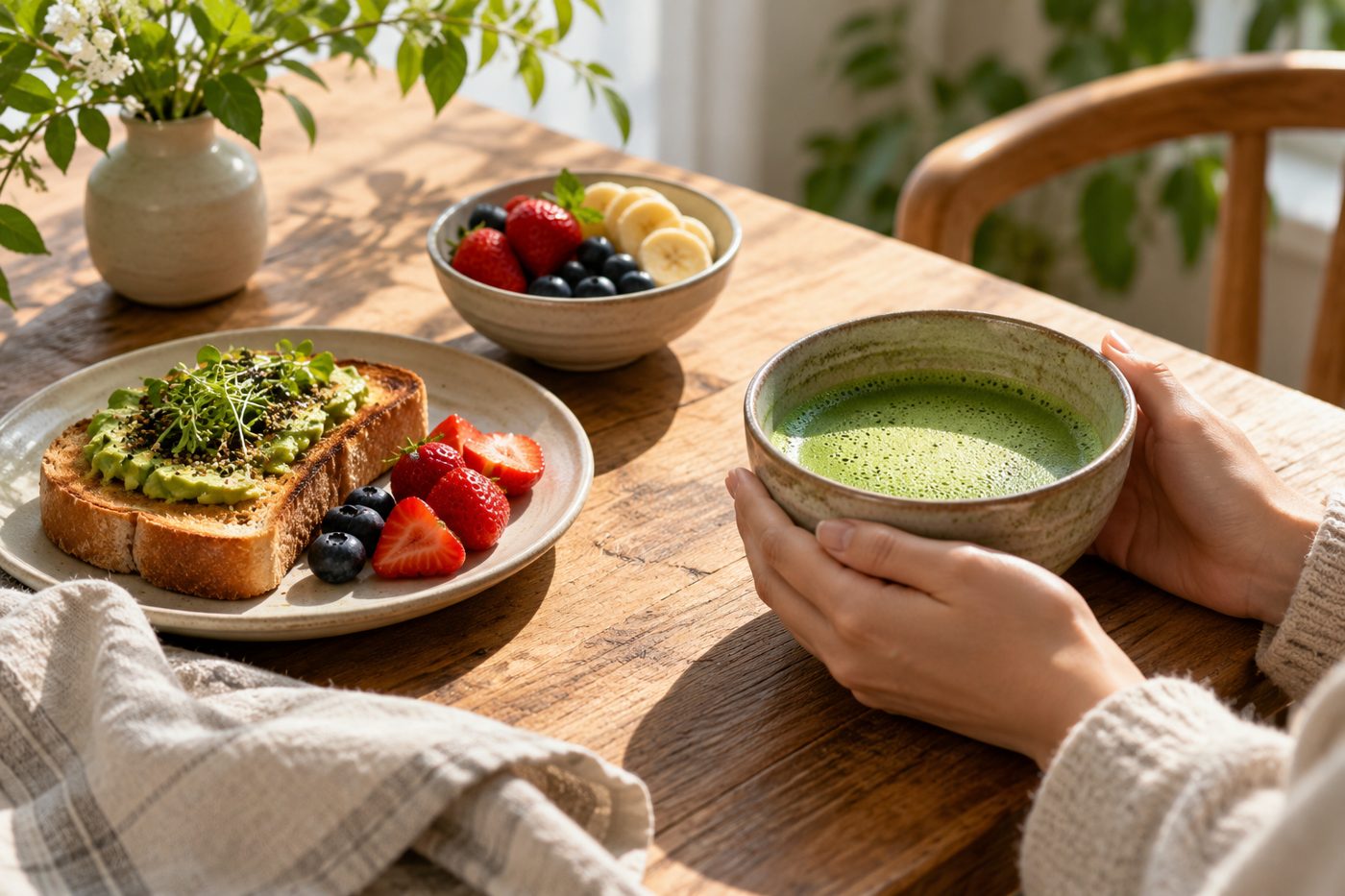
- Caffeine: About 32 mg per gram of matcha.
- L-theanine: An amino acid associated with relaxed alertness.
- Catechins: Polyphenols, especially EGCG, studied for antioxidant and metabolic effects.
- Other components: Chlorophyll, small amounts of vitamins and minerals, and dietary fiber from the whole leaf.
What the long-term research says
The Ohsaki Study, which followed more than 40,000 Japanese adults, found that people who drank more green tea had lower mortality from all causes and from cardiovascular disease (Kuriyama et al., JAMA, 2006). Other Japanese cohort studies have reported similar associations. These studies show correlation, not causation: green tea drinkers may differ in diet, activity and other habits.
Possible side effects and cautions
- Sleep and jitteriness: Caffeine late in the day can disrupt sleep.
- Iron absorption: Catechins can reduce absorption of non-heme iron (from plant foods). Drink matcha between meals if you have low iron.
- Stomach sensitivity: Some people experience mild stomach discomfort on an empty stomach.
- Medication interactions: Green tea contains vitamin K and compounds that may interact with medications, including anticoagulants such as warfarin. Consult a healthcare professional.
- Pregnancy: Keep total caffeine within recommended limits, commonly 200 mg per day.
- Concentrated extracts: The European Food Safety Authority concluded in 2018 that EGCG intakes of 800 mg per day or more from food supplements were associated with signs of liver stress. This concern relates to supplements, not to drinking matcha in normal amounts.
A sensible daily amount
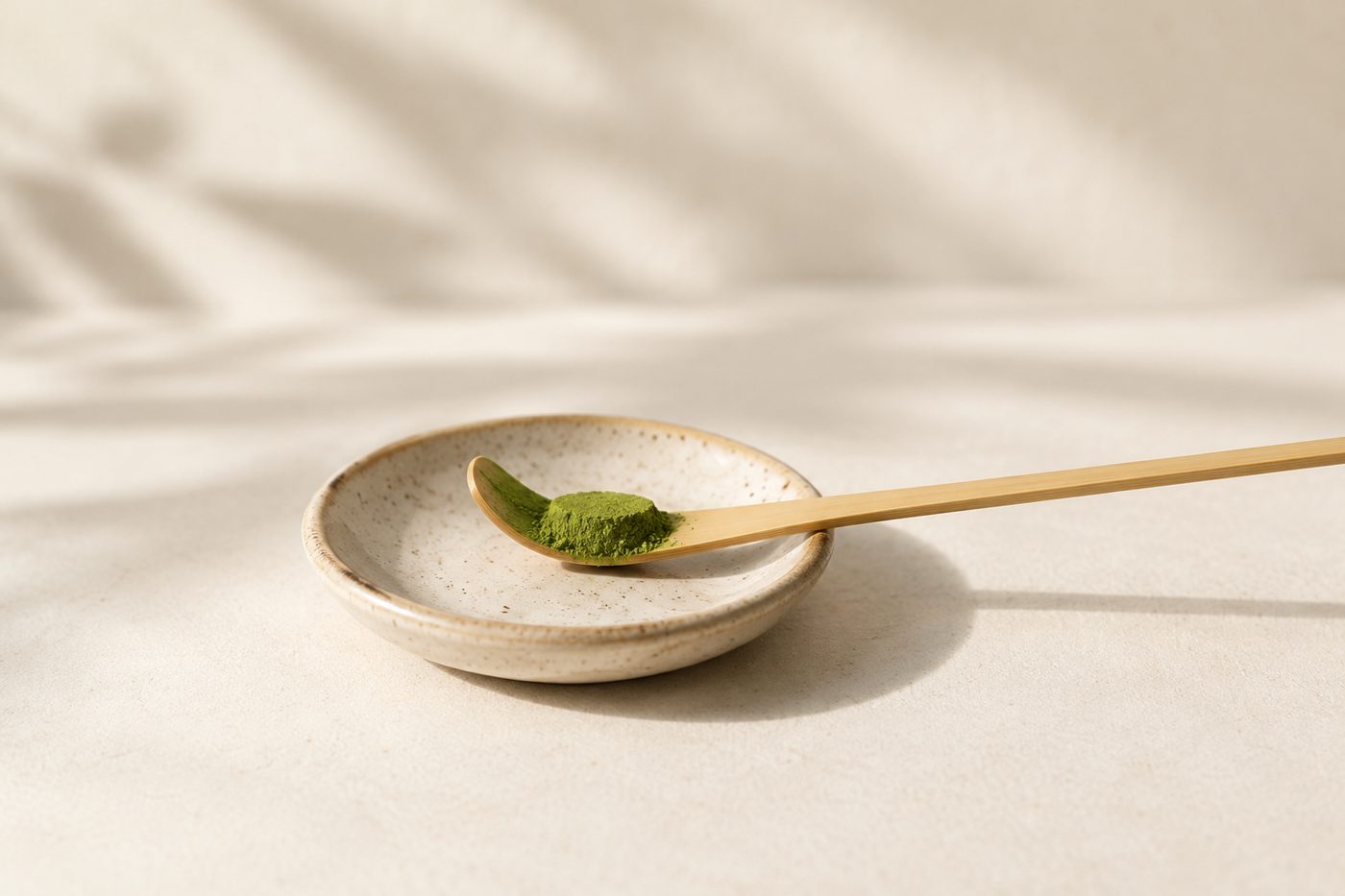
For most healthy adults, 1 to 2 servings of 2 g each fits comfortably within commonly cited caffeine limits. Choose high-quality matcha so you get the most flavor from a modest amount, and go easy on added sugar.
Frequently asked questions
Q: Is it safe to drink matcha every day?
A: For most healthy adults in moderate amounts, yes. People who are pregnant, taking medications, or sensitive to caffeine should seek personal advice.
Q: Will daily matcha improve my skin or energy?
A: Some people report benefits, but strong clinical evidence for specific effects is limited.
Q: Is it better in the morning?
A: For most people, morning or early afternoon avoids sleep disruption.
Sources and further reading: Kuriyama S. et al., JAMA (2006), the Ohsaki Study; European Food Safety Authority, "Scientific opinion on the safety of green tea catechins" (2018); US FDA caffeine guidance; Standard Tables of Food Composition in Japan (2020).
Serving matcha in your café or building a matcha brand? Origin Leaf Japan supplies first-flush, single-origin matcha from Suzuka, Mie, to cafés, retailers, distributors and food manufacturers, milled to order with a 5 kg minimum, 1 kg packs, and delivery in as little as 10 days. Request a quote or samples →
MORE IN E
Health and Science
- 30 Green Tea and Cancer: What the Research Actually Shows
- 29 Does Matcha Really Help with Weight Loss?
- 27 The Science Behind Matcha and Calm Focus
- 26 Matcha vs. Coffee: Which One Is Better for You?